
Planting
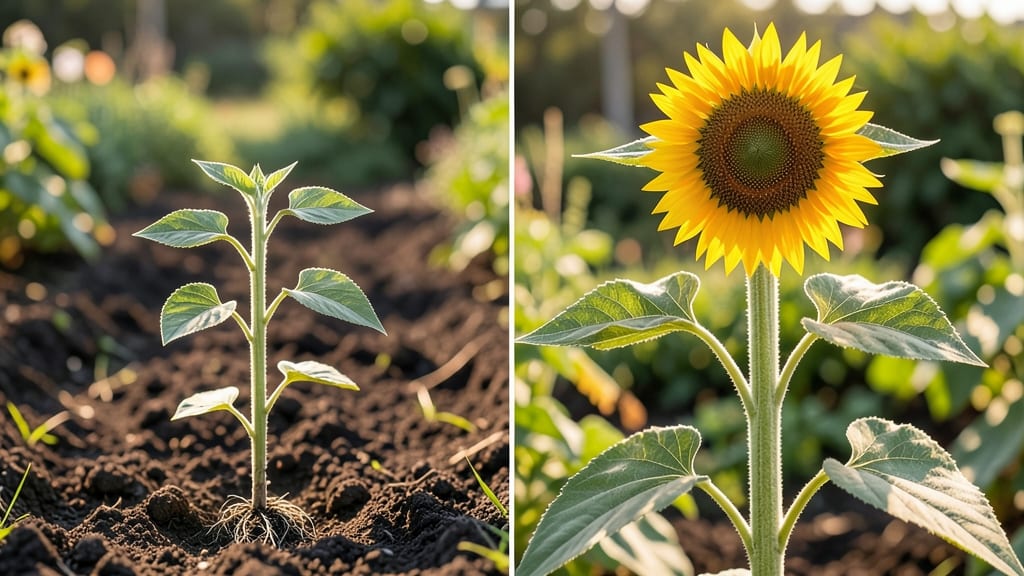
Growing a sunflower from seed takes about 60 to 120 days to reach full bloom, depending on the variety and growing conditions—so if you’re dreaming of those towering 🌻 faces turning toward the sun, timing is everything.
Picture this: you’ve just tucked those tiny seeds into warm, loose soil, barely bigger than a fingernail, and now you’re waiting. Three to 14 days later, the first green shoots crack through the earth, and suddenly, your garden is alive with promise.
But here’s the catch—what you do in those early weeks can make or break how fast (or slow) your sunflowers grow.
Sunflowers are fast growers once they get going, shooting up 2 to 4 inches per week in ideal conditions. But soil temperature, sunlight, and even watering habits can speed up or stall their progress.
Too much moisture? Roots rot. Not enough sun? Stunted growth. Get it right, though, and you’ll see those 6-foot giants in just 80 days—or even sooner with the right variety.
In this guide, I’ll walk you through the exact stages of sunflower growth, how to troubleshoot delays, and which varieties bloom the fastest. Whether you’re a first-time gardener or a seasoned green thumb, knowing these timelines will help you plan for bigger blooms and fewer frustrations.

Sunflower growth timeline: from seed to sprout in 5 key stages
Sunflowers are nature’s fastest-growing superstars, transforming from tiny seeds into towering giants in just a few months. But did you know their growth speed varies dramatically by variety, climate, and care? Understanding these 5 key stages will help you track progress and troubleshoot delays.
Whether you're growing giant Mammoths or compact Teddy Bear varieties, timing is everything for those iconic sunflower blooms.
From the moment you plant your seeds, the race to full bloom begins. Most sunflowers reach maturity in 80-120 days, but some dwarf varieties bloom in as little as 60 days.
The journey starts with germination, where soil temperature and moisture become critical factors. Even a few degrees difference can mean the difference between 3-day sprouts and 2-week waits.
🌱 Comparison Table: Sunflower Growth Timeline by Variety
Stage 1: Germination (3-14 days) begins when your seeds first sense warmth and moisture. Ideal soil temperatures should be 70-90°F for fastest sprouting. If your soil is cooler, germination may take 2-3 weeks.
Always plant seeds 1 inch deep—deeper planting can delay emergence by 5-7 days as seedlings struggle to break through compacted soil.
Stage 2: Seedling Development (10-21 days) is when those first cotyledon leaves appear, followed by the true leaves. This is the most vulnerable phase—overwatering or poor drainage can cause damping-off disease. Thin seedlings to 6-12 inches apart to prevent competition, which can slow growth by 30% in crowded beds.
Stage 3: Vegetative Growth (30-60 days) is where the magic happens. Your sunflower will shoot up 2-4 inches per day in ideal conditions. This stage demands full sun exposure (6+ hours daily) and consistent moisture.
Dwarf varieties may reach 3 feet tall by day 40, while giants can surpass 6 feet by day 50.
Stage 4: Pre-Bloom (20-40 days) shows the first signs of those iconic yellow petals. You'll notice the flower bud forming at the top of the stem. This is when nutrient deficiencies become visible—yellowing leaves often signal nitrogen deficiency, while purple stems indicate phosphorus needs.
A light 5-10-10 fertilizer can jumpstart this final growth spurt.
Stage 5: Full Bloom (80-120 days total) is the crowning achievement. Your sunflower will track the sun (heliotropism) for the first few days, then face east permanently. Giant varieties like 'Russian Giant' can reach 14-16 feet, while dwarf 'Teddy Bear' types stay under 3 feet.
The blooming window lasts 1-2 weeks per flower before seeds mature.
Pro tip: Track your sunflower's growth with a simple growth journal. Note the date of each stage—
How to speed up or slow down sunflower germination and growth
Sunflowers are nature’s speed demons—once they sprout, they can grow 2 to 4 inches per week under ideal conditions. But before that first green shoot appears, soil temperature and moisture levels determine whether your seeds germinate in 3 days or drag out for 2 weeks.
The key? Timing your planting to match your climate zone and giving those seeds the perfect cozy environment to wake up.
In my experience, planting sunflower seeds too early in cool spring soil (below 55°F) can stall germination for days—or worse, cause rot. Meanwhile, overwatering after planting creates a soggy barrier that suffocates seeds. The solution?
Warm soil, consistent moisture, and patience. Let’s break down how to tweak these factors to get your sunflowers off to a fast start or slow them down if you’re dealing with late-season planting.
Cold soil (<55°F) can delay sprouting by 10+ days. Use black plastic mulch or a seedling heat mat to warm soil faster. Overwatering after planting creates air pockets that suffocate seeds—water lightly only when soil is dry to the touch. Poor drainage leads to rot; amend clay soil with compost or perlite before planting.
To speed up germination, start with warm soil (aim for 60-70°Fclear plastic tunnel to trap heat. Soak seeds overnight in lukewarm water for 4-6 hours before planting to kickstart hydration.
For slower growth—like extending the season in cooler climates—choose dwarf varieties (e.g., 'Teddy Bear') and plant in partial shade to reduce vigor.
Once sprouted, consistent watering (1-2 inches per week) keeps roots growing downward, while fertilizer (balanced 5-10-10) applied when seedlings are 4-6 inches tall fuels rapid stem elongation. But here’s the catch: over-fertilizing with nitrogen leads to lush leaves and fewer blooms.
For slower, bushier growth, pinch back the main stem when plants are 12 inches tall to encourage side branches.
Pests like cutworms and aphids can derail growth by chewing stems or sucking sap. Protect seedlings with row covers or a neem oil spray if you spot damage. For weather delays, like sudden hail or frost, cover plants with frost cloth or move containers to a sheltered spot.
Even a 24-hour cold snap can stunt growth for a week or more.
Remember, sunflowers are resilient—they’ll always grow, but with the right care, you can control the pace. Whether you’re racing to beat summer’s end or stretching out the season, these tweaks will help you grow sunflowers on your schedule. 🌱