
Plants
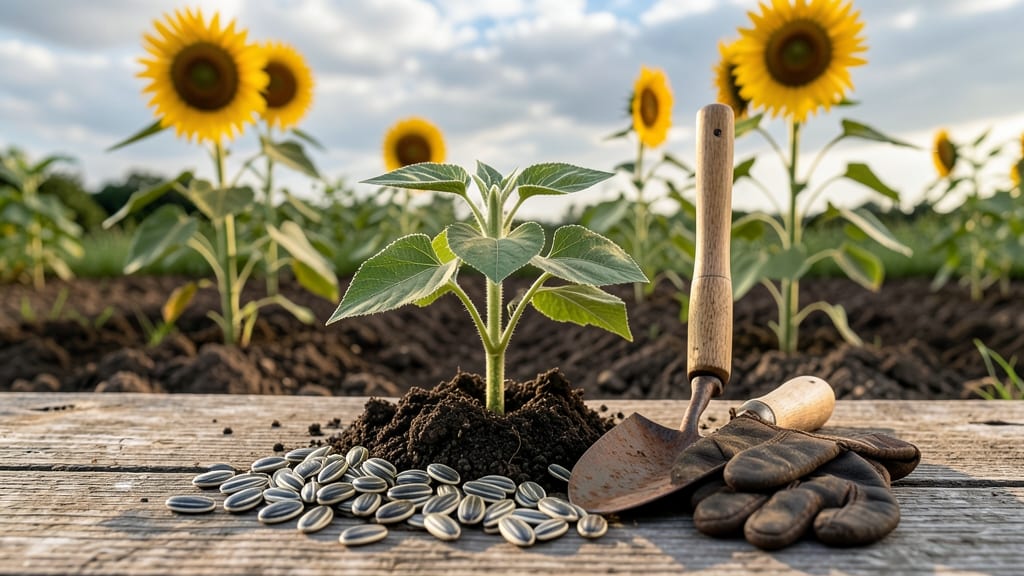
Plant sunflower seeds in Indiana after your last frost date—typically mid-April to early June—to give those towering 🌻 stalks the best shot at thriving in Zone 6A’s unpredictable spring.
Indiana’s unpredictable spring weather can make sunflower planting a guessing game—but timing is everything for vibrant blooms and towering stems.
If you wait too long, the heat arrives before the seeds germinate; plant too early, and a late frost will wipe out your seedlings. The key is knowing your local frost dates and soil temperatures, which vary even within Indiana’s borders.
Below, I’ll break down the exact planting windows, soil prep tips, and even a late-summer replanting trick to extend your sunflower season well into October.
Indiana sunflower planting timeline by frost dates (zone 6A guide)
Indiana’s Zone 6A climate creates a 165-day growing season for sunflowers, but frost dates can shift yearly. The average last frost falls around April 15, though urban areas like Indianapolis may experience frost 2-3 weeks later due to heat islands.
To avoid frost damage, I always check local weather forecasts and monitor soil temperatures—sunflowers need 55°F+ soil to germinate reliably.
For spring planting, my rule is to wait until 2 weeks after the last frost date. This gives young seedlings time to establish roots before unpredictable late frosts that can blacken tender leaves.
In northern Indiana, this often means mid-to-late May planting, while southern regions can start as early as April 20 if soil warms quickly.
Here’s my frost-date calculator for Indiana’s Zone 6A, broken down by planting window and soil temperature thresholds. Use this as your guide to time sunflower seeds perfectly for maximum bloom height and seed production.
| Planting Window | Last Frost Date | Soil Temp (°F) | Action | Notes |
|---|---|---|---|---|
| Early Spring (Risky) | March 20–April 5 | 50–55°F | Start seeds indoors (6–8 weeks before last frost) | Use heat mats for germination; transplant after May 1 |
| Prime Spring Planting | April 15–May 10 | 60°F+ | Direct sow outdoors after frost risk passes | Ideal for tall varieties (e.g., Mammoth) |
| Late Spring Backup | May 11–June 1 | 65°F+ | Plant dwarf varieties (e.g., Teddy Bear) | Smaller blooms but extended harvest into fall |
| Fall Replanting | August 15–September 10 | 70°F+ | Sow for late-season blooms | Choose fast-maturing varieties (50–60 days) |
I’ve learned the hard way that fall replanting in Indiana can yield stunning autumn sunflowers if timed correctly. Aim to plant 8–10 weeks before the first frost (October 15).
For example, August 20 is my target date for ProCut varieties, which mature in 60 days and provide edible seeds before winter sets in.
One critical mistake I see often is planting sunflowers too early in cold soil. Seeds may rot or fail to germinate if soil temps dip below 55°F. To test soil warmth, use a soil thermometer or press your hand into the ground—if it feels lukewarm, it’s ready.
In northern Indiana, this usually means waiting until late May.
For urban gardeners, microclimates matter. South-facing walls or rooftop gardens can warm 5–7°F faster than open fields. I’ve had success planting 3 weeks earlier in these spots, but always cover seedlings with frost cloth if nighttime temps drop below 45°F.
This extra protection lets me push my planting window into early April in city centers.
Pro tip: Mark your last frost date on a calendar and count 165 days backward to estimate harvest time. Sunflowers need full sun (6–8 hours daily), so choose a sheltered, sunny spot away from large trees.
In Indiana’s humid summers, proper spacing (18–24 inches apart) prevents powdery mildew and ensures strong stems that won’t flop.
If you’re growing sunflowers for cut flowers or seeds, prioritize early May planting for maximum height (up to 14 feet!). For container gardening, opt for dwarf varieties and plant in late May to avoid root-bound stress before winter.
Always water deeply at the base—sunflowers hate wet foliage, which invites fungal diseases.
For a visual reference, check the Indiana State Climate Office frost map (available online) to see how your specific county compares to the Zone 6A average. Adjust your planting date by ±7 days based on local trends.
With this timeline, you’ll avoid frost damage, maximize bloom size, and enjoy sunflowers from July through October.
5 Critical factors that determine perfect sunflower planting in Indiana
Indiana’s Zone 6A climate creates unique challenges for sunflower growers—soil warmth often lags behind air temperatures, and urban heat islands can create microclimates where rural areas still face frost risks.
These factors mean that even if your neighbor plants in early April, your sunflower seeds might need to wait until May for success.
Beyond frost dates, five key elements determine whether your sunflowers will reach their 10-foot potential or struggle to germinate. Ignoring these can lead to stunted growth, poor flowering, or even total seedling loss. Let’s break down what truly matters for Indiana gardeners.
🌱 5 Critical Factors for Perfect Sunflower Planting
- Soil Temperature: Seeds need 55°F+ soil to germinate. Use a soil thermometer—Indiana’s clay soils often stay cold even after air temps warm.
- Moisture Consistency: Keep soil evenly moist during germination (first 2 weeks). Indiana’s spring showers can lead to uneven watering if not monitored.
- Seed Depth: Plant 1 inch deep—deeper = slower sprouting. Indiana’s heavy soils compact easily, so loosen them first with a broadfork.
- Microclimate Differences: Urban areas (like Indianapolis) warm faster than rural northern Indiana. Adjust planting by 1-2 weeks accordingly.
- Spacing Mistakes: Crowding leads to taller but weaker stems. Space seeds 6 inches apart in rows 18-24 inches apart for proper airflow.
One of the biggest mistakes Indiana gardeners make is planting too early based on air temperature alone. Your soil thermometer becomes your best friend here—wait until it consistently reads 60°F+ during the day.
In northwest Indiana, this could mean delaying until late May, while southern Indiana might be ready by mid-April.
Another overlooked factor is moisture retention. Indiana’s clay soils hold water but can also become waterlogged after heavy rains. Amend your planting beds with compost or sand to improve drainage while retaining moisture for those critical first two weeks of growth.
I’ve seen sunflower seeds rot in soggy soil even when air temps were perfect.
For urban gardeners, heat reflection from buildings can create a false spring effect. If your garden sits near pavement or brick walls, your microclimate may warm 2-3 weeks earlier than rural areas.
Test your soil temperature for 3 consecutive days before planting—this small step can mean the difference between vibrant blooms and failed germination.
Finally, don’t overlook the seed depth when planting. While 1 inch is standard, Indiana’s heavy soils can make this seem deeper due to compaction. Use your finger to create a loose, 1-inch-deep furrow and press seeds gently into place.
Over-deep planting is a common mistake that leads to slow or uneven sprouting.
By paying attention to these five factors—soil warmth, moisture balance, proper depth, local microclimates, and correct spacing—you’ll give your Indiana sunflowers the best possible start. The result? Taller stems, bigger blooms, and a harvest that rivals commercial fields.