
How To
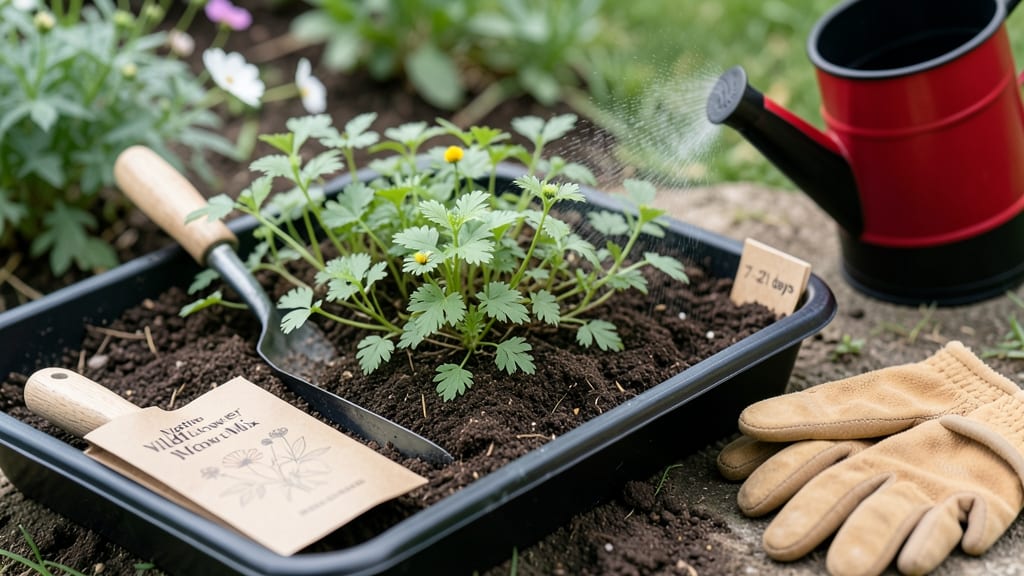
Wildflower seeds to germinate can take anywhere from a few days to six weeks, depending on the species and conditions—so don’t toss that packet just yet if nothing’s sprouted!
Picture this: you’ve scattered your 🌼 wildflower seeds in early spring, watered them faithfully, and now you’re staring at bare soil, wondering if you’ve failed. The truth? Germination timelines vary wildly, and patience is your best tool.
Annuals like cosmos pop up in as little as 5-10 days, while perennials such as coneflowers might take three to four weeks—or even longer in cooler zones like 6a. Soil temperature, moisture, and even seed coatings play a huge role.
In this guide, I’ll break down the exact timelines by seed type, share pro tips to speed up sprouting, and tell you what to do if your seeds are playing hard to get.

Wildflower seed germination times by seed type: fastest to slowest
Understanding wildflower seed germination times is key to planning your meadow or garden. Some seeds sprout in just 3-5 days, while others may take 4-6 weeks—or even longer.
The difference often comes down to whether you're planting annuals (like cosmos or zinnias) versus perennials (like black-eyed Susans or coneflowers). Regional climate also plays a major role, with cooler northern zones slowing germination compared to warmer southern regions.
Annual wildflowers generally germinate fastest because they've evolved to spread quickly in a single season. Perennials, however, often have harder seed coats or require cold stratification, which extends their germination window.
Even within these categories, individual species vary—some poppies may sprout in 5-7 days, while lupines might need 3-4 weeks to break dormancy.
Here's a quick breakdown of what to expect based on seed type and climate:
| Seed Type | Germination Time (Days) | Climate Adjustment | Notes |
|---|---|---|---|
| Fastest Annuals | 3-7 | Warmer climates (-5°F faster) | Cosmos, Zinnias, Sunflowers |
| Moderate Annuals | 7-14 | Standard regions (±3 days) | Marigolds, Snapdragons, Nasturtiums |
| Slow Annuals | 14-21 | Cooler climates (+7 days) | Poppies, Sweet Alyssum |
| Fastest Perennials | 14-28 | After cold treatment | Black-Eyed Susans, Coneflowers |
| Moderate Perennials | 28-42 | Standard with stratification | Lavender, Russian Sage |
| Slowest Perennials | 42-60+ | Very cold climates | Lupines, Some Grasses |
If you're planting in USDA Zone 5 or colder, expect germination to take 2-3 weeks longer than the average times listed. For example, cosmos seeds that typically sprout in 5 days in Zone 8 might take 10-14 days in Zone 5.
Conversely, in Zone 9 or warmer, some seeds may germinate 50% faster due to consistent soil warmth.
For annual wildflowers, timing is often predictable because they rely on quick germination to complete their life cycle in one season. Zinnias and cosmos are classic examples—plant them in late spring after the last frost, and you'll see sprouts within 5-7 days if conditions are ideal.
These fast germinators make them perfect for quick-color projects like container gardens or border plantings.
Perennial wildflowers, however, often require stratification (a cold period) to break dormancy. This is why black-eyed Susans and coneflowers might not sprout until 3-6 weeks after planting, even if the seeds were fresh.
If you're impatient, you can pre-stratify seeds indoors by mixing them with damp sand and refrigerating for 4-6 weeks before planting—this can cut germination time in half.
One common misconception is that all wildflower seeds need full sun to germinate. While most do prefer 6+ hours of sunlight daily, some shade-tolerant species (like blue-eyed grass) may take 10-14 days longer to sprout in bright light. If you're planting in
5 Critical factors that speed up or delay wildflower seed germination
If you’ve ever waited weeks for your wildflower seeds to sprout, you’re not alone. The germination process hinges on five key factors: soil temperature, moisture levels, light exposure, seed scarification, and stratification.
Each plays a starring role in whether your seeds pop up in days or drag out for weeks.
For example, cosmos seeds might sprout in just 5-7 days with ideal warmth, while black-eyed Susans could take 21-30 days—unless you tweak these conditions. Let’s dive into how to optimize each factor for faster, more reliable germination.
🌱 How Long for Wildflower Seeds to Germinate?
- Soil Temperature: 60-75°F (ideal) speeds up germination by 2-3x. Cooler soils (below 50°F) can delay sprouting by 10-14 days.
- Moisture: Keep soil consistently damp (not soggy). Drought stress can halt germination for up to 2 weeks.
- Light Exposure: Most wildflowers need sunlight to germinate. Shady spots may delay sprouting by 7-10 days.
- Scarification: Nicking hard seed coats (e.g., cone flowers) cuts germination time by 50%.
- Stratification: Cold-moist treatment (e.g., 4-6 weeks in fridge) breaks dormancy for 60% of wildflower species.
Let’s start with soil temperature, the single biggest factor in germination speed. Wildflower seeds like zinnias and sunflowers thrive when soil hits 70-75°F. Use a soil thermometer to check—if it’s below 60°F, consider a black plastic mulch to warm the soil faster.
Next up is moisture. Overwatering suffocates seeds, while underwatering dries them out. Aim for 1 inch of water per week, delivered via misting or drip irrigation. A seed-starting mat can help maintain even moisture without flooding.
Don’t underestimate light exposure. Many wildflowers need direct sunlight to trigger germination. If planting in spring, choose a south-facing spot. For fall plantings, prioritize areas with 6+ hours of sunlight daily.
Some wildflower seeds, like cone flowers or bee balm, have tough outer shells that resist water absorption. Scarification—scratching the seed coat with sandpaper or soaking in hot water—can cut germination time by half. Just be gentle; you’re not trying to crush the seed!
Finally, stratification mimics winter conditions to break dormancy. For seeds like lupines or phlox, mix them with damp sand and refrigerate for 4-6 weeks before planting. This trick can turn a 3-week wait into just 10 days.