
Flowers
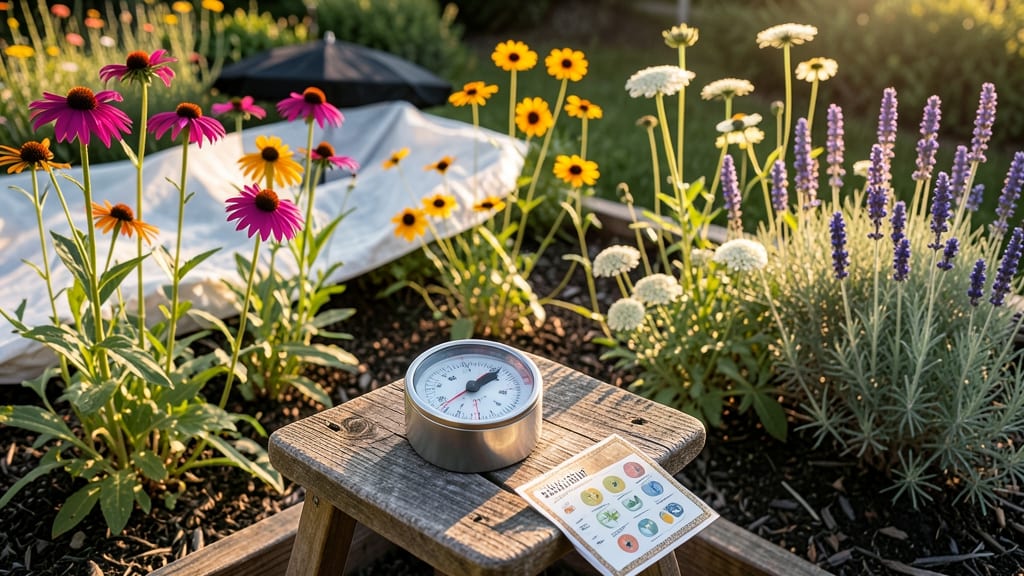
Wildflowers need between 3 to 6 hours of sunlight daily for most varieties, though some thrive in full sun 🌼—the key is matching the species to your garden’s light conditions.
Struggling to keep your wildflower garden thriving? Sunlight is the #1 factor determining success—or failure—yet most gardeners get it wrong by not matching varieties to light conditions.
Native wildflowers like black-eyed Susans or coneflowers love full sun, while others, such as asters, do just fine with partial shade. Understanding these differences can transform a struggling patch into a vibrant display.
Below, I’ll break down the perfect sunlight requirements by type, help you adjust your garden layout, and show you how to spot when your wildflowers aren’t getting enough—or too much—sun.

Wildflower sunlight requirements by type: full sun vs partial shade guide
Choosing the right wildflowers for your garden starts with understanding their sunlight needs. Unlike vegetables, wildflowers thrive with varied light conditions, but getting this wrong can mean sparse blooms or leggy stems.
I’ve grown wildflowers in full sun meadows and woodland edges, and the difference in performance is dramatic. Let’s break down exactly how much sun wildflowers need to flourish.
Most wildflowers fall into three categories: full-sun lovers (6+ hours of direct sunlight), partial-shade tolerators (3-6 hours), and shade-tolerant varieties (under 3 hours). The key is matching your garden’s light conditions to the right species.
For example, black-eyed Susans and coneflowers will wilt in shade, while columbines and bleeding hearts will scorch in full sun.
Here’s where things get tricky: seasonal sunlight changes can shift your garden from full sun to partial shade. Morning sun in summer might turn to afternoon shade in winter.
I always recommend testing your garden’s light with a sunlight tracker (a simple app or even a white plate left in different spots) before planting. This small step saves hours of trial and error later.
Now, let’s dive into the specifics. The comparison table below categorizes wildflowers by their sunlight needs, including ideal light ranges, soil preferences, and bloom seasons. Use this as your cheat sheet for selecting varieties that will thrive in your space.
Notice how full-sun wildflowers like black-eyed Susans and coneflowers dominate the summer-to-fall bloom season, while partial-shade varieties like columbines and bleeding hearts shine in spring and early summer.
This isn’t just about sunlight—it’s about timing. If you’re planting for continuous color, mix both types to extend your garden’s beauty from spring through fall.
For drought-prone areas, prioritize native wildflowers like yarrow or pur
How to adjust your garden layout for wildflower sunlight needs
Adjusting your garden layout for wildflower sunlight needs starts with understanding your space’s microclimates. Even a small yard can have areas with full sun exposure (6+ hours) alongside shadier spots near fences or trees.
I’ve found that simply rotating my garden beds by 90 degrees can shift sunlight exposure by 2-3 hours daily—a game-changer for shade-loving varieties.
Begin by mapping your garden’s sunlight patterns using a sunlight tracker or smartphone app. Mark areas where sunlight hits at different times of day—this helps you group wildflowers with similar needs.
For example, black-eyed Susans and cone flowers thrive in full sun, while asters and columbines prefer partial shade. This precision ensures every plant gets the right amount of light.
🌼 Styled List: Adjusting Your Garden Layout for Sunlight Needs
- 🌞 Full-Sun Zones (6+ hours): Place sun-lovers like lupines, bee balm, and goldenrod here. Use raised beds to improve drainage and heat absorption.
- 🌿 Partial-Shade Spots (3-6 hours): Ideal for foxgloves, coreopsis, and shasta daisies. Mulch with wood chips to retain moisture and regulate temperature.
- 🌳 Shady Corners (under 3 hours): Reserve for trilliums or wild ginger. Amend soil with compost to boost organic matter, as shade-lovers often struggle in compacted soil.
- 🌿 Companion Planting Tip: Pair tall sun-lovers (like sunflowers) with low-growing shade-tolerant plants to create layered light conditions naturally.
- ☀️ Seasonal Shifts: Note that summer sunlight lasts longer than in spring or fall. Adjust by moving heat-sensitive varieties to slightly shadier spots during peak season.
Don’t overlook vertical space—trellises or obelisks can elevate shade-loving wildflowers above ground-level obstacles. I’ve used this trick to give clematis and morning glories the partial shade they need while keeping their roots in well-draining soil.
Even a simple wire trellis can add 3+ hours of shade to a plant’s canopy.
Test your layout in early spring before planting. Move temporary stakes or flags to simulate where sunlight will fall at different times of day. This trial period helps you avoid costly mistakes, like planting full-sun wildflowers in a spot that only gets 2 hours of light by afternoon.
Pro tip: Use a whiteboard or garden sketch to plan groupings before digging.
Finally, observe your garden’s seasonal sunlight variations. What’s full sun in June might become partial shade in December due to lower sun angles. I’ve learned to plant perennial wildflowers in slightly shadier spots to account for winter light changes, ensuring they thrive year-round.
A little flexibility in your layout goes a long way!