
Flowers
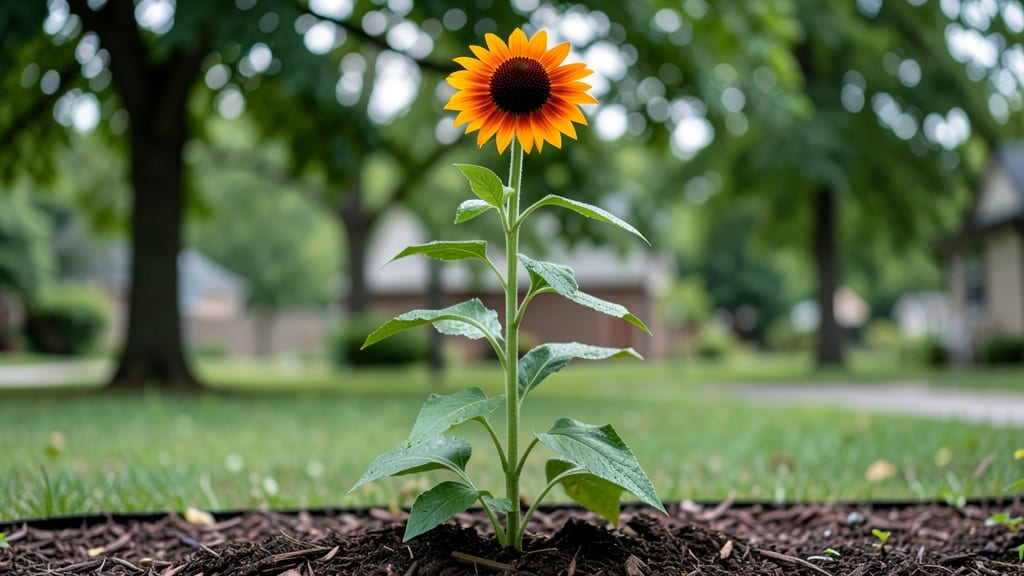
How tall do cone flowers grow? They typically reach between 1 and 5 feet, depending on the variety and growing conditions—making them the perfect size for both pollinator gardens and bold garden backdrops.
Picture this: a towering 'Magnus' reaching nearly 5 feet in your sunny border, while a compact 'White Swan' stays under 2 feet—both thriving side by side. That’s the beauty of Echinacea: its height flexibility lets you design layers that buzz with bees all season long.
But here’s the catch: spacing and pruning can tweak that height by 12 inches or more. A crowded plant will lean, while deadheading spent blooms keeps it upright and encourages more flowers. I’ll show you exactly how to balance growth for your garden’s layout.
Whether you’re planning a pollinator paradise or just want to fill a sunny spot, knowing these height ranges is the key to getting cone flowers that look intentional—not like an afterthought.


Cone flower height ranges by popular varieties (with best uses)
Cone flowers (Echinacea) are a gardener’s dream—low-maintenance, pollinator magnets, and packed with height diversity. While some varieties top out at just 12 inches, others reach towering 5 feet, making them perfect for everything from container gardens to backyard focal points.
Understanding these height ranges helps you plan garden layers and avoid overcrowding.
Tall varieties like 'Magnus' (4–5 ft) thrive as backdrop plants, while shorter types like 'White Swan' (18–24 in) shine in border edges or pollinator pots. Even within species, Echinacea purpurea can vary from 2 to 4 feet, so choosing the right cultivar ensures your design flows seamlessly.
Below, I’ve broken down 10 top cone flower varieties by height, including their ideal uses and spacing needs. This comparison helps you visualize how each fits into your landscape—whether you’re creating a wildflower meadow or a structured perennial border.
How cone flower height affects garden design and spacing
When planning your garden, cone flower height isn’t just about aesthetics—it’s about creating a functional, layered design that thrives year-round.
Tall varieties like 'Magnus' (up to 5 feet) need room to shine as backdrop plants, while dwarf types like 'White Swan' (under 2 feet) can edge pathways or spill over containers. The key? Spacing them correctly to prevent crowding and ensure airflow for disease prevention.
I’ve found that spacing cone flowers 12–36 inches apart—depending on their mature height—creates the perfect balance. This range gives roots room to spread while keeping the garden visually dynamic.
For example, place tall varieties 3 feet apart in the back of a border, while dwarf types can sit 12–18 inches apart in the front. This layered approach adds depth and keeps your garden buzzing with pollinators from spring to fall.
Pro Tips for Spacing Cone Flowers by Height
- Tall varieties (3–5 ft): Space 30–36 inches apart in sunny backdrops or pollinator gardens. Pair with tall grasses or sunflowers for vertical interest.
- Medium varieties (2–3 ft): Plant 18–24 inches apart in mixed borders or wildflower meadows. Ideal for mid-height layers with coreopsis or black-eyed Susans.
- Dwarf varieties (1–2 ft): Space 12–18 inches apart in container gardens or front-of-border plantings. Perfect for rock gardens or spilling over edges.
- Layering trick: Plant tallest in back, medium in middle, and dwarfs in front for a natural, full look. Add low-growing perennials like heuchera or sedum for contrast.
- Pruning hack: Cut back spent blooms to 1/3 of height in early fall to prevent flopping and encourage next year’s growth.
Another pro move? Group cone flowers by height to create visual harmony. For instance, a cluster of 'Green Envy' (3 ft) behind a row of 'White Swan' (1.5 ft) adds texture and movement to your garden.
This strategic pairing also makes maintenance easier—you can deadhead or prune entire sections at once. Plus, it maximizes your garden’s pollinator appeal by offering continuous blooms from early summer to frost.
Don’t overlook the soil and sunlight factors, either. Cone flowers grown in rich, well-draining soil with full sun will reach their maximum height, while shadier spots or poor soil can stunt growth by 12–18 inches.
If you’re working with limited space, choose dwarf varieties or prune aggressively—but be prepared for fewer blooms since height and flower production are linked.
For year-round interest, combine cone flowers with winter-hardy perennials like ornamental grasses or evergreen shrubs. The vertical structure of cone flowers in summer contrasts beautifully with grasses’ seed heads in winter, while low-growing ground covers fill gaps until spring.
This multi-season strategy ensures your garden stays dynamic and lively no matter the time of year.
Remember, cone flowers are forgiving—even if you misjudge spacing at first. With regular pruning and proper care, they’ll adapt and fill in over time.
Start with these spacing guidelines, experiment with layering, and watch your garden transform into a pollinator paradise that’s as functional as it is beautiful. 🌼✂️🌿