
Watering
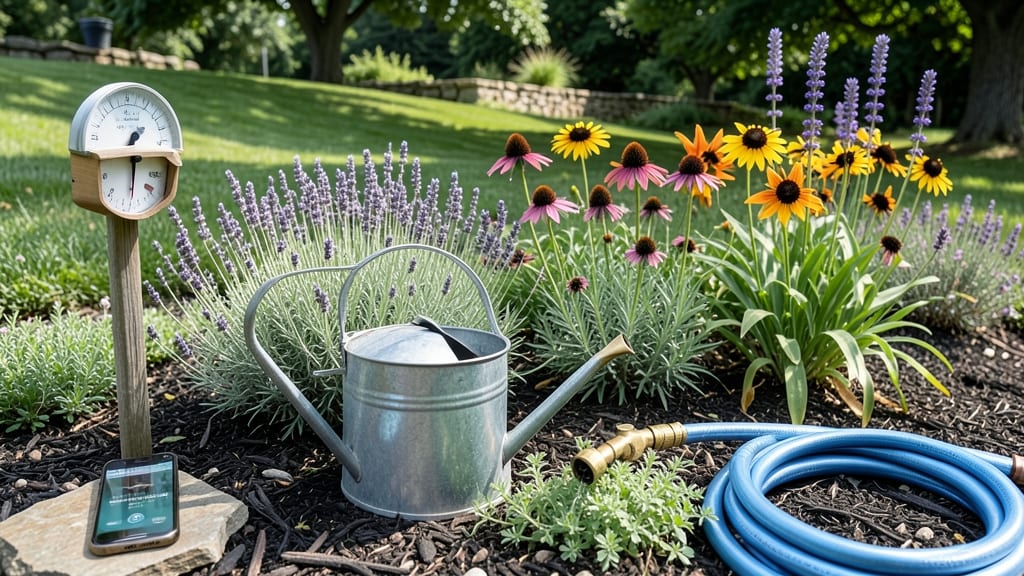
Overwatering or underwatering your flower beds can mean the difference between lush 🌸 gardens and wilting disappointment. Yet most gardeners wing it, leading to wasted water or stressed plants.
Soil type, plant species, and even the season dictate how often your flower beds need water. A sandy mix drains fast, while clay holds moisture for days. Perennials like lavender sip sparingly, while thirsty annuals like petunias demand more.
Below, I break down a seasonal schedule by plant type, plus the telltale signs your watering routine needs an overhaul—so you can finally stop guessing and start growing.
Seasonal watering schedule for flower beds by plant type
Watering your flower beds isn't a one-size-fits-all task—it depends on whether you're growing annuals, perennials, or bulbs. Each type has unique needs that shift with the seasons.
For example, petunias (annuals) need consistent moisture to thrive, while lavender (perennials) prefers drier conditions to prevent root rot. Understanding these differences ensures your garden stays lush and vibrant year-round.
Seasonal changes dramatically affect watering needs. In spring, focus on establishing roots with deep, infrequent watering. By summer, you'll likely need to water daily to combat heat stress, while fall and winter require reduced watering as plants enter dormancy.
Let's break down a monthly watering schedule tailored to each plant type to keep your flower beds healthy and blooming.
| Season | Annuals (e.g., Petunias, Marigolds) | Perennials (e.g., Lavender, Coneflowers) | Bulbs (e.g., Tulips, Daffodils) |
|---|---|---|---|
| Spring (Mar-May) | Every 3-4 days; deep watering | Every 5-7 days; reduce after blooming | Every 7-10 days; minimal after sprouting |
| Summer (Jun-Aug) | Daily in extreme heat; morning watering | Every 2-3 days; mulch to retain moisture | Weekly; reduce as bulbs mature |
| Fall (Sep-Nov) | Every 4-5 days; taper before frost | Every 7-10 days; prepare for dormancy | Bi-weekly; stop after foliage dies |
| Winter (Dec-Feb) | Minimal; protect from frost | Monthly; only if no snow cover | None; bulbs are dormant |
For annuals, like petunias and marigolds, spring is all about establishing strong roots. Water deeply every 3-4 days to encourage root growth. As summer arrives, increase frequency to daily watering during heatwaves, but always water in the early morning to reduce evaporation and fungal risks.
In fall, reduce watering gradually to prepare these plants for their short lifespan.
Perennials, such as lavender and coneflowers, are more resilient and require less frequent watering. In spring, water every 5-7 days to support new growth. During summer, switch to every 2-3 days, but avoid soggy soil—these plants prefer drier conditions. Mulching around the base helps retain moisture and keeps roots cool. In fall, reduce watering to every 7-10 days to harden off the plants for winter.
Bulbs like tulips and daffodils have unique needs. In spring, water every 7-10 days once they sprout, but avoid overwatering to prevent rot. Summer watering should be minimal—just enough to keep the soil slightly moist.
By fall, reduce to bi-weekly watering and stop entirely once the foliage dies back naturally. This allows the bulbs to store energy for next year's blooms.
Adjust your watering schedule based on weather conditions and soil type. Sandy soil drains quickly and may require more frequent watering, while clay soil holds moisture longer. Always check the top 1-2 inches of soil—if it's dry, it's time to water.
Use a moisture meter or simply stick your finger into the soil to gauge moisture levels accurately.
Morning watering is ideal because it allows foliage to dry quickly, reducing the risk of fungal diseases. If you must water in the evening, do so at least 3-4 hours before sunset to give plants time to dry.
For container-grown flowers, watering may be needed daily in summer due to the rapid drying of potting soil. Always ensure containers have drainage holes to prevent root rot.
Overwatering is a common mistake that can lead to yellowing leaves, mushy stems, or even plant death. If you notice these signs, reduce watering immediately and improve soil drainage by adding organic matter like compost.
On the other hand, underwatering causes wilting, crispy edges, or stunted growth. Adjust your schedule based on these visual cues to keep your flower beds thriving.
Pro tip: Group plants with similar watering needs together in your flower beds. This makes maintenance easier and ensures each plant gets the right amount of moisture. For example, place petunias near other
Signs your flower beds need water (and when to adjust)
Your flower beds whisper clues about their thirst before wilting becomes obvious. Drooping leaves, especially in the late afternoon, are the first red flags—though some succulents naturally wilt to conserve water.
For most blooms, leaves curling or turning grayish-green signals stress, while dull, limp petals mean they’re begging for hydration.
Don’t rely on guesswork: stick your finger 1-2 inches into the soil. If it feels dry and crumbly, it’s time to water. Clay soil stays damp longer, while sandy soil dries out within hours. Even mulched beds need checks—mulch slows evaporation but doesn’t eliminate the need for moisture checks.
Watering flower beds every 2-3 days in summer? That’s a fast track to root rot and fungal diseases. Adjust based on:
- Clay soil: Wait until top 3 inches are dry
- Sandy soil: Water deeply every 1-2 days
- Heatwaves: Increase frequency but water early (before 10 AM)
- Rainy spells: Pause watering for 48+ hours
Pro tip: Use a moisture meter or the "squeeze test"—grab a handful of soil; if it doesn’t hold shape, it’s dry.
Watch for plant-specific signs: Lavender leaves turn yellow and crispy, while petunias droop dramatically. Marigolds may develop brown edges, and roses show wilted buds. Even bulbs like tulips need moisture—if their foliage yellows too soon, they’re not storing enough energy for next year’s blooms.
Adjust your watering schedule by soil type. In clay-heavy soil, water deeply but infrequently—once a week may suffice in spring. For sandy or loamy soil, aim for 1-2 inches of water per week, splitting it into 2-3 sessions to encourage deep roots.
Always water at the base of plants, not overhead, to prevent fungal spores from splashing onto leaves.
Seasonal shifts demand adjustments too. In summer heat, water early morning or late evening to reduce evaporation, and consider drip irrigation for consistency. During fall, taper back as plants prepare for dormancy—wilting in cool weather often means it’s time to cut back entirely.
Winter watering? Only if the ground isn’t frozen; a light soak every 2-3 weeks prevents desiccation.
Listen to your plants—they’ll tell you exactly what they need. Combine visual cues, soil tests, and seasonal adjustments to strike the perfect balance. Your flower beds will reward you with healthier roots, bigger blooms, and fewer guesses about when to reach for the hose. 💧