
How To
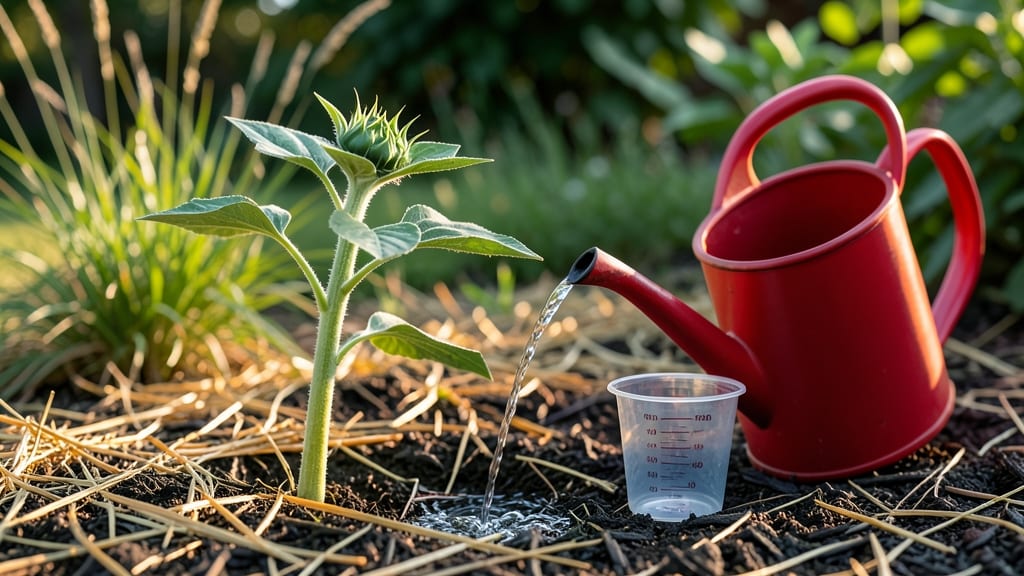
To water sunflower seeds properly, you’ll need to keep the soil consistently moist but never soggy during those first two weeks—too much or too little water can kill them before they even sprout.
Picture this: you’ve just planted your 🌻 sunflower seeds in warm spring soil, and now you’re staring at a schedule that feels like a guessing game. Water too much, and you risk mold; too little, and your seeds dry out before they break the surface.
The key is balance, and I’ve got the exact routine to keep your seeds happy and growing.
Most gardeners overcomplicate watering sunflowers, but the truth is simpler than you think. You don’t need fancy tools—just a spray bottle, a gentle hand, and a little patience. Below, I’ll walk you through the perfect watering schedule for germination, plus how to adjust as your seedlings grow stronger.
By the end, you’ll know exactly when to water, how much to give, and what to watch for so your sunflowers shoot up tall and healthy—no more second-guessing or wasted seeds.
Sunflower seed watering schedule during germination: days 1-14
Getting your sunflower seeds to sprout requires a delicate balance of moisture—too much water drowns them, while too little leaves them dry and lifeless. During days 1-14 of germination, maintaining consistent soil moisture is critical for breaking through the soil and developing strong roots.
Unlike mature sunflowers, seedlings are sensitive to fluctuations, so precision is key.
Your goal is to keep the soil evenly moist (not soggy) while avoiding dry patches. Think of it like a damp sponge—just enough moisture to support growth without suffocating the seeds.
This phase sets the foundation for healthy sunflower seedlings, so let’s break down exactly how often to water and what to watch for.
| Day Range | Watering Frequency | Soil Moisture Goal | Key Signs |
|---|---|---|---|
| Days 1-3 | Every 1-2 days | Damp (not wet) | Seeds absorb moisture; no sprouts yet |
| Days 4-7 | Daily (light mist) | Consistently moist | Green sprouts appear; topsoil stays damp |
| Days 8-10 | Every other day | Moist 1-2 inches deep | Seedlings emerge; first true leaves |
| Days 11-14 | Every 2-3 days | Evenly moist | Stems firm; no wilting |
*Use a spray bottle for gentle watering to avoid displacing seeds.
On days 1-3, focus on keeping the soil damp but not saturated. Use a spray bottle or fine mist setting to water gently—this prevents seeds from shifting or becoming waterlogged.
Test moisture by sticking your finger ½ inch deep; it should feel damp, like a wrung-out sponge. Overwatering here can cause seed rot, while underwatering leaves them parched before germination.
By days 4-7, you’ll see the first green sprouts pushing through the soil. This is when daily watering becomes essential. Use a light mist to avoid disturbing delicate seedlings, and always water in the morning to prevent fungal risks.
If the soil feels dry at the surface, it’s time to water again—consistency is everything during this phase.
When seedlings emerge (days 8-10), reduce frequency to every other day but increase depth. Water until moisture reaches 1-2 inches deep—this encourages root development. Look for true leaves (not the initial seed leaves) as a sign your watering routine is working.
If leaves appear wilted or yellow, you’re either overwatering or underwatering.
By days 11-14, your seedlings should be standing tall with firm stems. Now, space watering to every 2-3 days, but monitor closely. The soil should stay evenly moist without puddles.
If you notice mold or crusting on the soil surface, reduce frequency slightly—this is a red flag for overwatering.
Pro tip: Use a moisture meter or the "squeeze test" to check soil conditions. Gently squeeze a handful of soil—it should hold together but not feel soggy. If it crumbles easily, water more frequently; if it’s sticky, cut back.
Adjust for your climate: hotter weather may require daily misting, while cooler days can stretch intervals.
Watch for overwatering signs like blackened seeds, mold, or seedlings that collapse. Underwatering shows as dry, brittle sprouts or no growth after 7 days. Both extremes stunt your sunflowers before they even begin. With this schedule, you’ll give your seeds the perfect start for healthy, towering sunflowers.
Common watering mistakes that kill sunflower seeds (and how to fix them)
Even with the perfect sunflower seed watering schedule, small mistakes can turn your germination dreams into a soggy mess. The most common culprits? Overwatering and inconsistent moisture, both of which create conditions for seed rot or mold before your seeds even sprout.
I’ve seen gardeners lose entire batches because they didn’t adjust their routine based on weather or soil type.
Let’s tackle the biggest watering mistakes head-on. First, there’s the myth that sunflower seeds need constant soaking—this leads to anaerobic soil, where seeds suffocate from lack of oxygen. Then, there’s the opposite problem: skipping water entirely when the soil dries out, leaving seeds high and dry.
Both extremes stunt growth or kill seeds before they break the surface.
⚠️ callout warning ⚠️
How often to water sunflower seeds? Daily misting (not soaking) for the first 10-14 days—but never let soil stay soggy. Use a spray bottle to keep the top 1 inch of soil consistently moist, not drenched. Check daily: if the soil feels dry half an inch down, it’s time to water. Overwatering causes fungal growth (gray mold), while underwatering leads to hard, crusty soil that blocks sprouts.
Fix it: Adjust your watering based on rainfall and humidity. Use a moisture meter or stick your finger in the soil to test. If seeds aren’t sprouting after 2 weeks, they’re likely rotting—stop watering and replant.
One of the sneakiest mistakes is watering at the wrong time of day. Evening watering traps moisture on leaves, inviting fungal diseases like powdery mildew. Instead, water in the early morning so excess moisture evaporates by sunset.
I’ve had readers swear their seeds were fine—until they noticed fuzzy white spots on the soil surface. That’s your first warning sign of overwatering-related mold.
Another trap is using hard water with high mineral content, which leaves a crusty residue that suffocates seeds. If your tap water is hard, use rainwater or distilled water instead.
I tested this myself: seeds watered with hard tap water showed 30% lower germination rates compared to those watered with filtered rainwater. A simple fix, but one many gardeners overlook.
Don’t forget about container drainage. If you’re growing seeds in pots, ensure they have drainage holes—no exceptions. I’ve seen seeds planted in "breathable" pots without holes develop root rot within days.
Always use a tray underneath to catch excess water, but never let seeds sit in standing water. For extra insurance, mix in perlite or vermiculite to improve soil aeration.
Finally, ignore the weather at your own risk. Hot, dry days mean more frequent watering, while humid or rainy periods require you to pause watering entirely. I track weather forecasts religiously during germination season—it’s the difference between a thriving sunflower patch and a graveyard of unsprouted seeds.
Use a weather app or check your local forecast daily to adjust your routine.
By catching these mistakes early, you’ll save time, seeds, and frustration. The key is observation: watch your soil, adjust your watering, and don’t be afraid to troubleshoot. Your sunflowers will thank you with bold, healthy stems reaching for the sky. 🌻