
Flowers
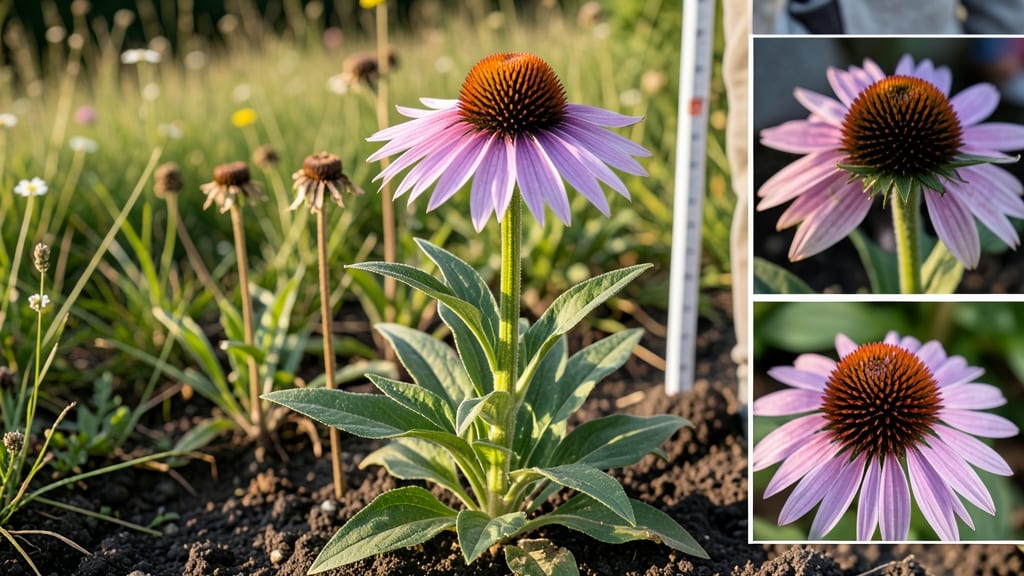
Coneflowers grow between 1 and 5 feet tall, depending on the variety and growing conditions—so knowing their mature height helps you plan spacing and companion plants before planting.
Picture this: You’ve just planted your dwarf coneflowers 🌼 in a front border, only to watch them tower over your neighbors’ petunias by summer. Or you’ve crammed standard varieties too close, and now they’re competing for sunlight. The right height range makes all the difference in a thriving garden.
From the compact Echinacea pallida (around 2 feet) to the towering Echinacea atrorubens (nearly 5 feet), each type has its own ideal spacing needs.
Sunlight, soil, and pruning habits can also nudge your plants taller or shorter than expected—so let’s break down what to expect and how to work with it.
By the end, you’ll know exactly how much room to leave between plants, which varieties pair best in mixed borders, and how to keep your coneflowers looking their best—no overcrowding or underwhelming displays included.


Coneflower height by variety: essential chart for garden layouts
Choosing the right coneflower variety for your garden starts with understanding their mature heights. Some varieties stay compact at just 12 inches tall, while others reach towering 5 feet or more. This height variation lets you create stunning vertical interest, from front-border accents to backyard focal points.
Let's explore the most popular varieties and their ideal spacing to help you design a cohesive, pollinator-friendly garden.
Height isn't the only factor—spread and growth habit also matter. Tall varieties like Echinacea atrorubens need more space to avoid shading neighbors, while dwarf types like 'White Swan' thrive in containers or tight borders.
I'll cover 12+ varieties, including their height ranges, spacing needs, and best uses in your landscape. This ensures you'll pick the perfect fit for your garden's layout and style.
Pro Tip: Always check the plant tag for exact height ranges, as growing conditions (like sunlight and soil quality) can affect final size. Now, let's dive into the essential chart that will transform your garden planning!
| Variety | Mature Height | Spacing (inches) | Best Uses |
|---|---|---|---|
| Echinacea purpurea 'Magnus' | 36-48" | 18-24" | Back borders, pollinator gardens |
| Echinacea purpurea 'White Swan' | 12-18" | 12-18" | Containers, front borders |
| Echinacea purpurea 'Hot Papaya' | 24-36" | 18-24" | Mixed borders, cut flowers |
| Echinacea purpurea 'Green Envy' | td style="padding: 10px;">18-24"12-18" | Dwarf varieties, rock gardens | |
| Echinacea pallida 'Pallida' | 30-40" | 18-24" | Prairie gardens, native plantings |
| Echinacea atrorubens 'Sombrero' | 48-60" | 24-30" | Backyard focal points, tall borders |
| Echinacea 'White Beauty' | 24-30" | 18-24" | Cut flower arrangements, pollinator gardens |
| Echinacea 'Green Twister' | 18-24" | 12-18" | Containers, cottage gardens |
| Echinacea 'Kim's Knee High' | 12-18" | 12-18" | Front borders, small spaces |
| Echinacea 'Cheyenne Spirit' | 24-30" | 18-24" | Mixed borders, pollinator gardens |
| Echinacea 'Hot Chocolate' | 30-36" | 18-24" | Back borders, cut flowers |
| Echinacea 'Mojo' | 24-30" | 18-24" | Pollinator gardens, mixed plantings |
Now that you have the height chart in hand, let's talk about how to use these measurements in your garden. For example, tall varieties like 'Sombrero' (4
How coneflower height affects garden design and plant pairings
Coneflower height isn’t just about aesthetics—it’s the foundation of your garden’s structure. Taller varieties like Echinacea atrorubens (up to 5 feet) make stunning backdrops, while dwarf types (like Echinacea 'White Swan') thrive in front borders.
When you plan for these differences, you create layers that draw the eye and support pollinators at every level.
Think of your garden like a three-tiered cake: the shortest plants (1–2 feet) form the base, mid-height varieties (2–3 feet) create the middle layer, and tall coneflowers (3–5 feet) reach for the sky.
This vertical arrangement not only looks balanced but also ensures bees and butterflies can access nectar from all heights—without getting lost in a sea of petals.
Here’s how to use height variations to elevate your design—whether you’re working with a full sun border, a pollinator garden, or even container arrangements:
🌿 Strategic Height Placement for Visual Impact
- Front Border (1–2 ft): Dwarf coneflowers like 'White Swan' pair perfectly with salvias or coreopsis for a low, textured edge.
- Mid-Border (2–3 ft): Semi-dwarf varieties (e.g., 'Green Envy') blend with black-eyed Susans or bee balm for mid-height drama.
- Backdrop (3–5 ft): Tall coneflowers like 'Hot Papaya' anchor the scene behind Russian sage or purple coneflower.
- Pollinator Layers: Place taller blooms near butterfly bushes to create a "highway" for winged visitors.
- Containers: Compact varieties (e.g., 'Kim’s Knee High') shine in window boxes or hanging baskets with trailing plants.
Don’t overlook the power of color contrasts when pairing heights. A 5-foot tall 'Hot Papaya' coneflower looks stunning against the deep purple of Echinacea 'Purple Sunset', while a white dwarf adds a crisp focal point in mixed containers.
Pro tip: Group odd-numbered plants (3, 5, or 7) of the same height for a natural, fuller look.
For container gardening, choose dwarf or semi-dwarf varieties to avoid crowding. A 12-inch pot can comfortably hold 1–2 'Kim’s Knee High' plants with a thyme ground cover to fill gaps. In larger pots (18+ inches), mix heights—like a 2-foot coneflower with 1-foot lavender—to create mini "garden rooms."
Remember, height isn’t set in stone. Prune leggy stems in early spring to encourage bushier growth, or stake taller varieties in windy areas to prevent flopping. With the right placement, your coneflowers won’t just fill space—they’ll transform it into a layered, pollinator-friendly masterpiece.