
Flowers
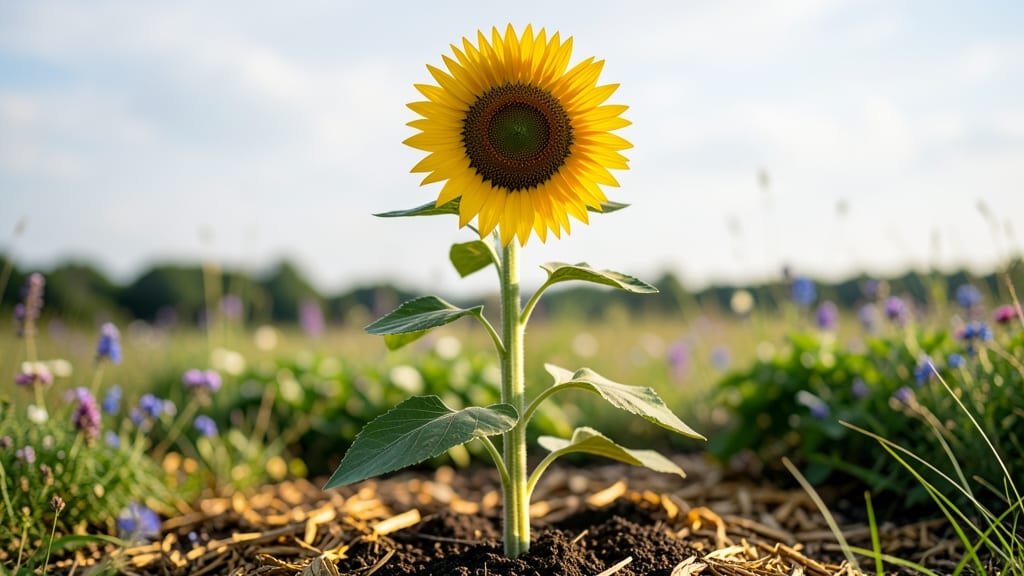
Sunflowers can grow up to 14 feet tall, towering like small trees with the right variety and care.
Imagine planting a seed in spring and watching it stretch toward the sky by summer—some varieties reach heights that dwarf even the tallest gardeners! But not all sunflowers are giants; dwarf types stay under 3 feet, making them perfect for containers or small gardens.
What determines whether your sunflowers will be sky-scrapers or compact beauties? It’s a mix of genetics, sunlight, soil, and a little extra care. The right variety can turn your backyard into a sunflower forest or keep them neatly contained in pots.
In this guide, I’ll break down the height ranges of popular sunflowers, share tips to control or maximize their growth, and help you pick the perfect type for your space—whether you want a privacy screen or a bouquet-worthy giant.


Sunflower height variations: from dwarf to giant varieties
Sunflowers are one of nature's most dramatic plants when it comes to height—some stay as short as 3 feet, while others can tower over 14 feet like small trees. This incredible range makes them perfect for everything from container gardens to privacy screens.
The key lies in choosing the right variety, as genetics determine whether your sunflower will be a compact bush or a sky-reaching giant.
Most gardeners categorize sunflowers into three height groups: dwarf varieties (under 5 feet), standard varieties (5–10 feet), and giant varieties (10+ feet). Each group serves different purposes—whether you want easy maintenance or dramatic height.
Let's explore the spectrum with real-world examples that'll help you pick the perfect sunflower for your space.
| Variety Type | Height Range | Best For | Example Varieties |
|---|---|---|---|
| Dwarf | 3–5 ft | Containers, borders | Teddy Bear, Little Becka |
| Semi-Dwarf | 5–8 ft | Cut flowers, small screens | Moulin Rouge, Autumn Beauty |
| Standard | 8–12 ft | Cut flowers, pollinators | ProCut, Russian Giant |
| Giant | 12–14 ft | Privacy screens, focal points | Mammoth, Giant Russian |
The Teddy Bear sunflower is a fantastic example of a dwarf variety, perfect for small gardens or container growing. These sunflowers typically reach 3–5 feet and produce double blooms that resemble oversized teddy bears.
Their compact size makes them ideal for urban gardens or balcony planters, where space is limited but you still want that classic sunflower charm.
On the opposite end of the spectrum, the Mammoth sunflower lives up to its name by growing 12–14 feet tall. These giants are perfect for creating natural privacy screens or making a dramatic statement in your landscape.
If you're planting near a fence or patio, a row of Mammoth sunflowers can provide seasonal screening while attracting pollinators like bees and butterflies.
For gardeners who want a middle-ground option, the Autumn Beauty variety is a standout. It typically grows 5–8 feet tall and produces multi-colored blooms that transition from yellow to red as they mature.
This semi-dwarf variety is excellent for cut flower arrangements and adds seasonal interest to any garden bed.
If you're growing sunflowers for cut flowers, the ProCut series is a top choice. These varieties grow 8–12 feet tall and produce long-lasting blooms with sturdy stems. Their height makes them ideal for bouquets and floral arrangements, while their disease resistance ensures a reliable harvest.
When planning your garden layout, remember that taller varieties need more space and sturdy support. If you're planting near a windy area, consider staking or grouping plants to prevent toppling.
For container growing, stick to dwarf or semi-dwarf varieties like Teddy Bear or Little Becka to avoid overcrowding.
Sunflowers aren't just about height—they're also about seasonal timing. Giant varieties like Mammoth may take 100–120 days to reach maturity, while dwarf varieties like Teddy Bear mature in 50–60 days. Plan your planting schedule accordingly to ensure you get the full growing season benefit from your chosen variety.
No matter which height you choose, sunflowers bring joy and color to any garden. Whether you're growing a compact bush for a window box or a towering giant for a privacy screen, there's a sunflower variety perfect for your needs.
Start with the right seed selection, provide proper care, and watch your garden transform with these versatile giants.
What determines a sunflower’s height? Key growth factors
Sunflowers don’t just grow tall—they reach skyward based on a mix of genetics, environmental conditions, and the care you provide. While some varieties are naturally dwarfed, others can double or triple their height with the right conditions.
Let’s explore the key factors that influence whether your sunflowers will stay short and sweet or tower like a 14-foot skyscraper.
The first factor is genetics, which sets the baseline. If you plant a 'Teddy Bear' variety, it’ll max out at 3–5 feet, no matter how much you pamper it. But if you choose a 'Mammoth' type, it’s primed to stretch toward the sky.
Genetics determine the maximum potential height, but the environment and your care can push it closer to—or hold it back from—that ceiling.
- 1. Variety Selection: 'Russian Giant' can hit 12–14 feet, while 'Little Becka' stays under 2 feet. Pick your variety based on your space and goals!
- 2. Sunlight Exposure: Sunflowers need 6–8+ hours of direct sun daily. Less light = stunted growth. A shady spot can reduce height by 30–50%.
- 3. Soil Quality: Nutrient-rich, well-draining soil fuels growth. Amend with compost or a balanced fertilizer (10-10-10) to maximize height potential.
- 4. Watering Practices: Deep, consistent watering (1–2 gallons per plant weekly) prevents stress. Drought or overwatering can stunt growth or cause weak stems.
- 5. Pruning & Staking: Remove side buds early to direct energy to the main stem. Use stakes or cages for tall varieties to prevent toppling in wind or rain.
Sunlight is non-negotiable for sunflowers. These plants are heliotropic, meaning they follow the sun’s path during the day. Without full sun exposure, their growth slows dramatically. If your garden gets partial shade, consider dwarf varieties or supplement with a grow light to encourage height.
Even a few hours less of sunlight can cut growth by half, so choose your planting spot wisely.
Soil quality plays a surprising role in height. Sunflowers thrive in loamy, well-draining soil with a pH of 6.0–7.5. Poor soil? Add organic matter like compost or aged manure to improve nutrient uptake.
A phosphorus-rich soil (from bone meal or compost) promotes root and stem development, helping your sunflower reach its genetic height. Test your soil before planting—it’s the foundation for towering growth!
Watering might seem straightforward, but overwatering or underwatering can both limit height. Sunflowers need deep, infrequent watering—about 1–2 gallons per plant weekly—to encourage strong root systems. Shallow watering leads to weak stems that bend or snap under their own weight.
Mulch around the base to retain moisture and keep roots cool, which supports steady upward growth.
Pruning and staking are often overlooked but can dramatically influence height. For tall varieties, remove side buds when they’re small to redirect energy to the main stem. This can add 1–2 feet to the final height.
Staking is a must for sunflowers over 8 feet—use bamboo stakes or cages to prevent them from flopping over. Without support, wind or rain can break stems or stunt growth entirely.
With the right variety, sunlight, soil, water, and care, your sunflowers can reach their full genetic potential. Whether you’re aiming for a privacy screen or a cut-flower masterpiece, understanding these factors lets you control—or maximize—their height.
Experiment with different varieties and conditions to see what works best in your garden! 🌻