
Flowers
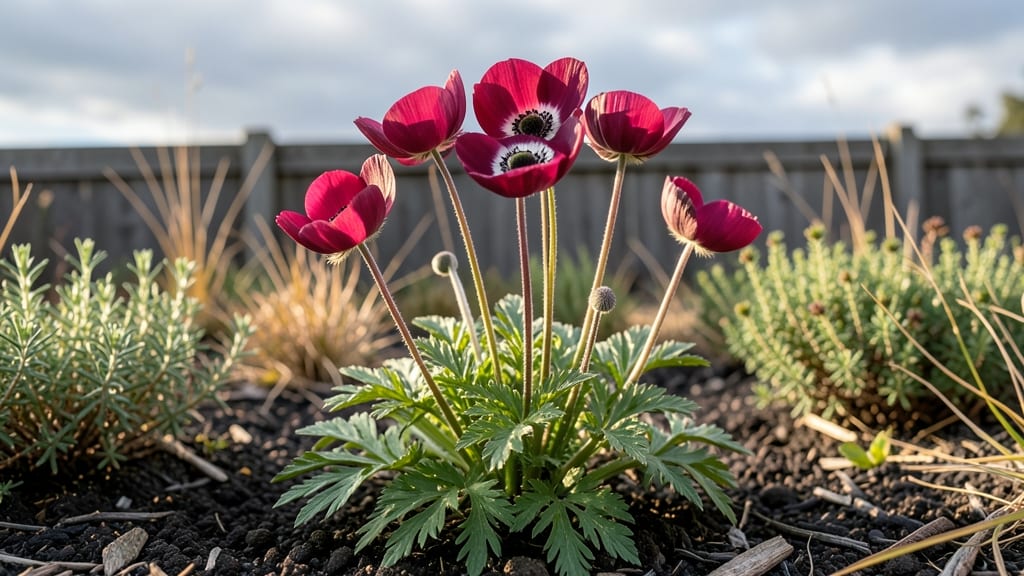
Anemone flowers grow anywhere from 1 to 4 feet tall, depending on the variety and growing conditions—so your garden plan could range from a delicate border to a dramatic backdrop.
Wondering if anemone flowers will tower over your garden or stay compact? Their height varies dramatically by variety—and choosing the right one can make or break your landscape design.
For instance, Anemone coronaria (the classic poppy anemone) typically reaches 1 to 2 feet, making it perfect for edging or containers, while Anemone hupehensis can soar to 3 to 4 feet, ideal for mid-border drama.
Below, I’ll break down the height ranges by species, the factors that push them taller or shorter, and how to pair them with other plants for a cohesive look.


Anemone flower height by variety: from dwarf to towering giants
Anemones are one of the most versatile garden flowers, offering everything from delicate dwarf varieties perfect for containers to towering giants that anchor borders. Their height can vary from just 12 inches to over 4 feet, depending on the species and growing conditions.
Understanding these differences helps you plan your garden layout for maximum visual impact.
Japanese anemones (Anemone × hybrida) and windflower anemones (Anemone coronaria) are among the most popular, but even within these groups, heights differ dramatically. For example, the 'Honorine Jobert' variety reaches 4 feet tall, while 'Queen Charlotte' stays compact at 18 inches.
This variety in height lets you use anemones in everything from rock gardens to backyard focal points.
Below is a detailed breakdown of anemone flower heights by variety, including seasonal growth patterns to help you choose the perfect fit for your garden design.
| Variety | Height Range | Seasonal Growth | Best For |
|---|---|---|---|
| Japanese Anemone (Anemone × hybrida) | 2–4 ft | Late summer to fall | Back borders, woodland gardens |
| 'Honorine Jobert' | 3–4 ft | Late summer | Tall borders, focal points |
| 'Queen Charlotte' | 1.5–2 ft | Late summer | Containers, cottage gardens |
| Windflower Anemone (Anemone coronaria) | 1–2 ft | Spring | Rock gardens, spring borders |
| 'De Caen' | 1.5–2 ft | Spring | Cut flowers, spring containers |
| Dwarf Anemone (Anemone blanda) | 6–12 in | Early spring | Ground cover, alpine gardens |
| 'Blue Shades' | 6–10 in | Early spring | Rock gardens, woodland edges |
If you're designing a seasonal garden, pairing tall Japanese anemones (like 'Honorine Jobert') with spring-blooming windflowers creates a dynamic display. The windflower varieties bloom early, while the Japanese anemones take over in late summer, extending your garden's interest.
For container gardening, opt for dwarf varieties like Anemone blanda or the compact 'Queen Charlotte'. These stay under 2 feet tall and thrive in pots, making them perfect for patios or balconies. Just ensure your containers have good drainage to prevent root rot, which can stunt growth.
Gardeners in USDA Zones 5–9 can grow most anemone varieties, but their height is influenced by soil fertility and sunlight exposure. Rich, well-draining soil encourages taller growth, while partial shade helps maintain compact sizes.
If you're in a hotter climate, provide afternoon shade to prevent leggy stems and ensure sturdy blooms.
Pro tip: Stake taller varieties like 'Honorine Jobert' early in the season to prevent flopping, especially in windy areas. Use soft plant ties or decorative stakes to keep stems upright without damaging the foliage.
For a low-maintenance garden, mix anemones with other perennial plants that complement their height ranges. For example, pair 2-foot-tall anemones with shorter ajuga or heuchera to create texture and contrast.
Remember, anemones are perennial
How Anemone height affects garden placement and pairing
Choosing the right anemone height for your garden isn't just about aesthetics—it's about creating a balanced, functional space. Tall varieties like Anemone hupehensis (3-4 ft) thrive as mid-border stars, while dwarf types such as Anemone blanda (6-12 inches) shine in rock gardens or containers.
Your garden's light conditions and companion plants also play critical roles. For example, pairing 3-foot anemones with ferns or hostas (2-3 ft) creates a lush, layered look, while shorter anemones (1-2 ft) complement low-growing thyme or ajuga in sunny borders.
Tall Anemones (3-4 ft) in Garden Design
Pros
- ✅ Creates dramatic backdrops for borders
- ✅ Pairs well with tall grasses or shrubs
- ✅ Adds vertical interest to shady gardens
Cons
- ❌ Needs more spacing (18-24 inches apart)
- ❌ Can overpower small gardens if overused
- ❌ Requires staking in windy areas
Short Anemones (1-2 ft) in Garden Design
Pros
- ✅ Perfect for edging and containers
- ✅ Works in rock gardens or window boxes
- ✅ Low-maintenance spacing (12 inches apart)
Cons
- ❌ May disappear behind taller plants
- ❌ Needs contrasting companions to stand out
- ❌ Less impact in large spaces
For seasonal succession, plant early-blooming anemones (like Anemone nemorosa) alongside late-season varieties (such as Anemone × hybrida) to extend your garden's color palette from spring to fall.
When planning spacing requirements, remember: Tall anemones need 18-24 inches between plants, while dwarf types thrive 12 inches apart. This prevents overcrowding and ensures each plant gets adequate air circulation and nutrients.
My favorite companion pairings include Japanese anemones (3-4 ft) with black-eyed Susans or Russian sage, while wood anemones (1-2 ft) look stunning with bleeding hearts or foamflower in woodland gardens.
Experiment with height contrast—place tall anemones behind mid-height perennials and short anemones in front of ground covers to create depth. The key is balancing structure and softness for a cohesive, inviting look. 🌿