
Flowers
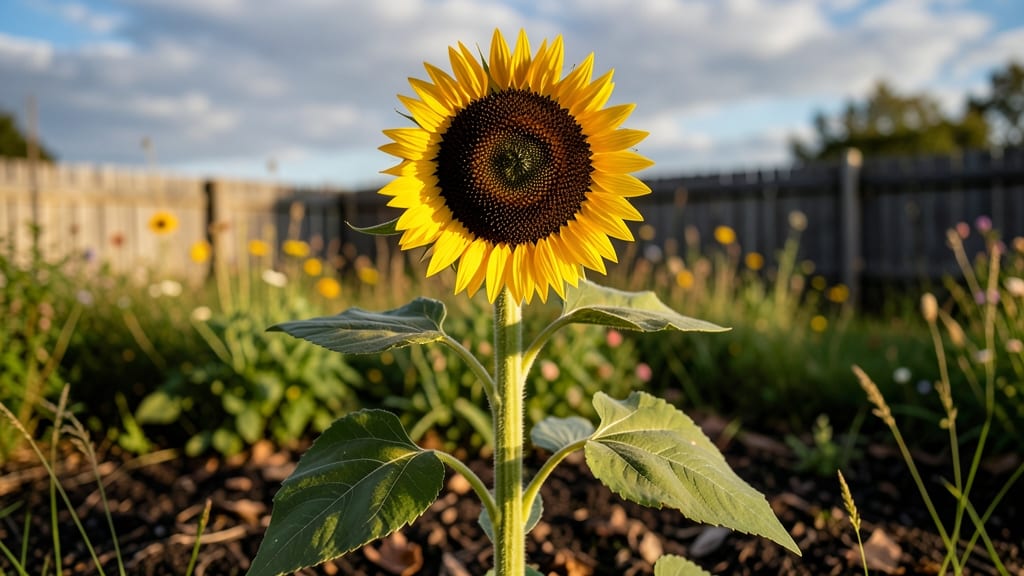
Black oil sunflowers 🌻 can grow between 6 and 12 feet tall, towering over most garden plants and making them a standout feature in any landscape.
Picture this: a row of these deep-petaled giants stretching toward the sky, their sturdy stems reaching heights that rival a basketball hoop. That’s not just eye-catching—it’s also why spacing and soil prep become the key to letting them thrive.
Whether you’re planning a bird-friendly border or just love the drama of sunflowers, knowing their mature size helps you avoid overcrowding and ensures they get the sunlight they crave. Below, I’ll break down exactly how tall different varieties grow, plus tips to maximize their height.
You’ll also discover how to pair them with shorter plants, when to fertilize for extra growth, and why some sunflowers stay shorter than others—even in the same garden.


Exact height ranges of black oil sunflower varieties for garden planning
When planning your garden, knowing exact height ranges of black oil sunflower varieties helps you avoid overcrowding and maximize space. These sunflowers are known for their impressive stature, but not all varieties reach the same towering heights.
Understanding their growth patterns ensures your garden layout supports their full potential while preventing competition for sunlight and nutrients.
The most popular black oil sunflower varieties typically grow between 6 to 12 feet, but some can exceed this range. Russian Giant and Mammoth varieties often reach the upper limits, while standard 'Black Oil' types usually stay within the 6–9 foot range.
Proper spacing is critical—these giants need room to thrive and avoid toppling over.
| Variety | Mature Height | Growth Rate | Ideal Spacing | Notes |
|---|---|---|---|---|
| 'Black Oil' | 6–9 ft | Fast (6–8 ft in 60 days) | 3–4 ft apart | Most common variety; great for bird feeders |
| 'Russian Giant' | 10–14 ft | Very fast (8–10 ft in 70 days) | 5–6 ft apart | Tallest variety; needs sturdy support |
| 'Mammoth' | 9–12 ft | Fast (7–9 ft in 65 days) | 4–5 ft apart | Heavy seeds; ideal for large gardens |
| 'Autumn Beauty' | 5–7 ft | Moderate (5–6 ft in 60 days) | 2–3 ft apart | Semi-dwarf; great for borders |
| 'Titan' | 12–15 ft | Very fast (10+ ft in 75 days) | 6–7 ft apart | Extreme height; best for rural areas |
For optimal growth, ensure your black oil sunflowers receive full sun exposure (6–8 hours daily) and well-draining soil. Varieties like 'Russian Giant' and 'Titan' grow so tall that they may need stakes or cages to prevent toppling, especially in windy conditions.
If you're growing them in containers, choose large pots (at least 18 inches deep) to accommodate their deep root systems.
If you're short on space, consider dwarf varieties like 'Autumn Beauty', which max out at 5–7 feet. These are perfect for smaller gardens or urban spaces where vertical growth is limited. Even with shorter varieties, maintain 2–3 feet of spacing to avoid competition for resources.
Another key factor is growth rate. Most black oil sunflowers grow 2–3 feet per month under ideal conditions. This rapid growth means you’ll see significant height increases in just a few weeks, so plan your garden layout accordingly.
For example, if you plant 'Black Oil' in early spring, it could reach 6 feet by midsummer.
When spacing your sunflowers, think beyond height—consider their canopy spread. A single 12-foot sunflower can cast a wide shadow, potentially shading nearby plants. To prevent this, interplant them with shorter companions like beans, lettuce, or radishes, which thrive in partial shade.
This strategy maximizes your garden’s productivity while ensuring all plants receive adequate sunlight.
For bird feeders, taller varieties like 'Russian Giant' are ideal because their large seed heads attract birds and provide ample food. If you're harvesting seeds for oil production, prioritize varieties like 'Mammoth' or 'Black Oil', which yield high quantities of seeds per plant.
Always leave some seed heads on the stalk for wildlife, as birds and squirrels play a vital role in your garden’s ecosystem.
One common mistake is overcrowding sunflowers, which can stunt their growth and reduce seed production. Stick to the recommended spacing guidelines, and avoid planting them too closely together. If you're unsure about your garden’s layout, sketch a rough design on paper first.
This helps visualize how the sunflowers will interact with other plants and structures as they grow.
Finally, remember that soil quality
How sunflower height affects garden spacing and companion planting
When planning your garden, sunflower height directly impacts how much space you need to give them—and what you can plant nearby. A 12-foot sunflower isn’t just tall; it’s a sun-loving giant that will cast shade and compete for nutrients if crowded.
That’s why spacing these plants correctly is non-negotiable for their growth and your garden’s success.
For standard black oil sunflowers, aim for 3–4 feet between plants. This gives their roots room to stretch deep while ensuring each plant gets enough sunlight to reach its full 6–12-foot potential.
If you’re growing giant varieties like 'Russian Giant,' increase spacing to 5–6 feet to prevent overcrowding and disease.
Here’s how to balance their towering presence with other plants in your garden:
-
Spacing by Variety
- Standard (6–10 ft): 3–4 ft apart
- Giant (10–12 ft): 5–6 ft apart
- Dwarf (3–5 ft): 1–2 ft apart
-
Companion Plants
- Front row: Bush beans or radishes (shade-tolerant)
- Side rows: Marigolds (pest deterrent) or basil (improves growth)
- Avoid: Corn (competes for nutrients) or potatoes (attracts pests)
-
Soil Prep Tips
- Test soil pH (6.0–7.0) for optimal growth
- Add compost to improve drainage
- Use mulch to retain moisture
Sunflowers also act as natural windbreaks, protecting smaller plants like lettuce or carrots from harsh winds. Place them on the north or west side of your garden to shield delicate crops while they soak up sunlight.
Just be mindful of their root depth—they can reach up to 4 feet down, so avoid planting shallow-rooted plants nearby.
If you’re growing sunflowers for bird feeders, leave extra space between plants to ensure easy access for birds. A 5-foot gap between rows makes harvesting seed heads much simpler, too. And remember: thin seedlings early to avoid competition—keep only the strongest stems to maximize height and yield.
With the right spacing and companions, your black oil sunflowers won’t just grow tall—they’ll thrive, providing beauty, shade, and even food for wildlife. Just give them room to shine! 🌻