
Flowers
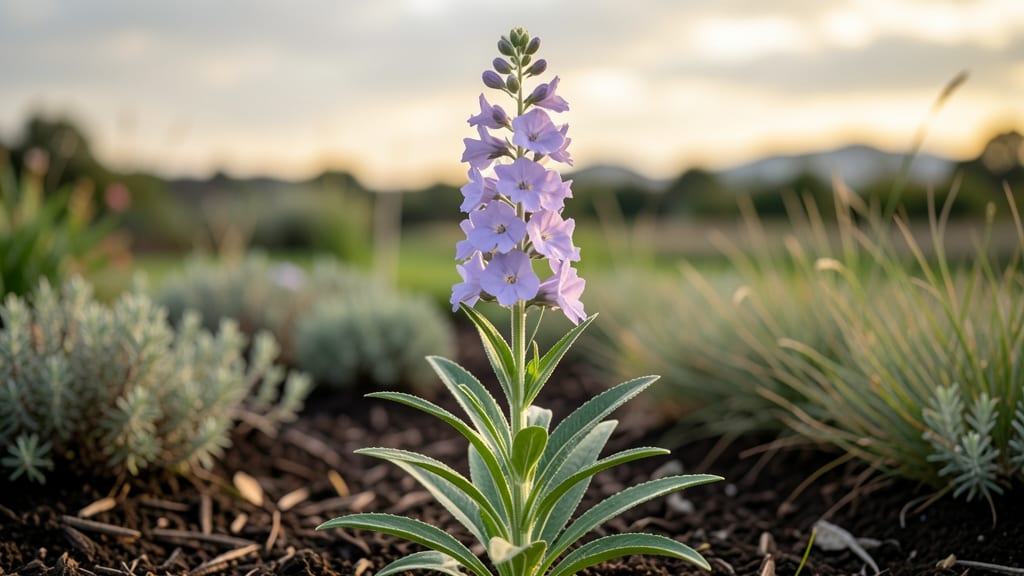
Stock flowers grow anywhere from 1 to 4 feet tall, depending on the variety and growing conditions—so your garden design choices can make all the difference.
If you're dreaming of a vibrant garden filled with fragrant stock flowers, knowing their mature heights is key to planning your layout—whether you want them cascading over trellises or standing tall in borders. The right placement can transform a simple bed into a showstopper.
Dwarf varieties like 'Tom Thumb' stay under 2 feet, perfect for edging or containers, while standard types like 'Giant White' can reach 4 feet, making them ideal for back-of-border drama. Sunlight, soil, and even pruning habits play a role in how tall they grow.
Below, I break down the height ranges by variety, plus tips for encouraging the perfect size—whether you're aiming for a compact display or a towering floral statement.


Stock flower height chart: tall vs short varieties explained
Stock flowers (Matthiola incana) are one of my favorite garden plants because they offer such versatile heights to suit any design. Whether you're creating a romantic cottage border or a modern vertical garden, choosing the right stock variety is crucial for spacing and visual impact.
Let me break down the height variations so you can plan your garden like a pro.
From dwarf varieties perfect for containers to giant types that reach towering heights, stock flowers adapt beautifully to different spaces. The key is understanding how each mature height range affects your garden's flow and structure. Let's explore the three main height categories you'll encounter in nurseries and seed catalogs.
📊 Height Comparison: Imagine a 1-foot dwarf stock next to a 4-foot giant—that's the dramatic range you can work with! This variety creates stunning height contrasts while all sharing that classic stock flower fragrance and delicate blooms. The right combination can make your garden feel like a living work of art.
I always recommend starting with dwarf varieties if you're new to growing stocks—they're low-maintenance and perfect for small spaces. Place them in containers on patios or along walkway edges where you can enjoy their sweet scent up close.
The 'Tiny Tim' series, for example, stays compact but still produces abundant blooms all season.
For medium-height stocks, think about creating height layers in your garden. Plant them behind dwarf perennials like lavender or thyme to add dimension. These varieties work beautifully in cut flower arrangements too—their sturdy stems hold up well in vases for 10-14 days.
The giant varieties are my secret weapon for adding dramatic vertical interest. I often use them as backdrop plants behind shrubs or small trees, or train them up obelisks or trellises for a romantic cottage look.
Just give them plenty of space to sprawl—these beauties can get top-heavy when fully blooming!
Here's a pro tip I've learned: Prune early to control height. If your standard stocks are getting too tall for your space, simply pinch back the main stems when they're about 6 inches tall. This encourages bushier growth and prevents them from flopping over in wind or rain.
Don't forget about spreading varieties—they're often overlooked but incredibly useful for filling gaps. The 'Carpet of Snow' cultivar creates a living white carpet that's perfect for rock gardens or sloped areas. Pair it with purple dwarf stocks for a striking contrast that pops.
When planning your garden layout, always consider mature height and how plants will interact as they grow. A 4-foot stock planted too close to a 3-foot shrub
How to choose stock flower heights for your garden layout
When designing your garden, stock flower heights play a crucial role in creating visual balance and maximizing space. Tall varieties like giant stocks (3-4 feet) can serve as stunning backdrops, while dwarf stocks (1-2 feet) work perfectly for borders or containers.
The key is pairing heights strategically to avoid overcrowding while creating layers that draw the eye upward.
Start by grouping tall stocks (3-4 feet) behind shorter plants like pansies or snapdragons (1-2 feet). This creates a natural tiered effect that adds depth to your garden beds.
For example, place giant stocks at the back of a border, with medium-height stocks (2-3 feet) in the middle, and dwarf varieties in the front for a cascading look.
Here’s how to pair stock varieties by height for a cohesive garden layout:
- 🌿 Tall Backdrops (3-4 ft): Giant stocks behind trellises or fences for vertical interest.
- 🌸 Medium Height (2-3 ft): Semi-dwarf stocks in mixed borders with roses or lavender.
- 🌱 Dwarf Fronts (1-2 ft): Compact stocks in containers or along walkways for low-maintenance color.
- 🪴 Trellis Pairings: Train tall stocks vertically with clematis or morning glories for a romantic garden feel.
- 🌧️ Seasonal Succession: Replace tall summer stocks with shorter pansies in fall for year-round interest.
Incorporate companion planting to enhance your layout. For instance, plant dwarf stocks near thyme or sage to deter pests while keeping the height low. Meanwhile, tall stocks pair beautifully with sunflowers or hollyhocks for a dramatic focal point.
Always leave 12-18 inches of space between medium and tall varieties to prevent competition for sunlight.
For small gardens, use containers to control height. Place dwarf stocks in window boxes or hanging baskets to add color without overwhelming the space.
In larger gardens, create a height gradient by staggering planting dates—start with tall varieties in early spring, followed by medium and dwarf types as the season progresses.
Don’t forget to prune strategically to manage growth. Pinch back tall stocks early to encourage bushier growth, while letting dwarf varieties grow freely for a fuller look. Regular deadheading will also keep your garden looking tidy while extending the blooming season.
With these tips, you’ll transform your garden into a layered masterpiece where every stock flower height contributes to a harmonious and visually stunning display. Happy planting! 🌷