
Flowers
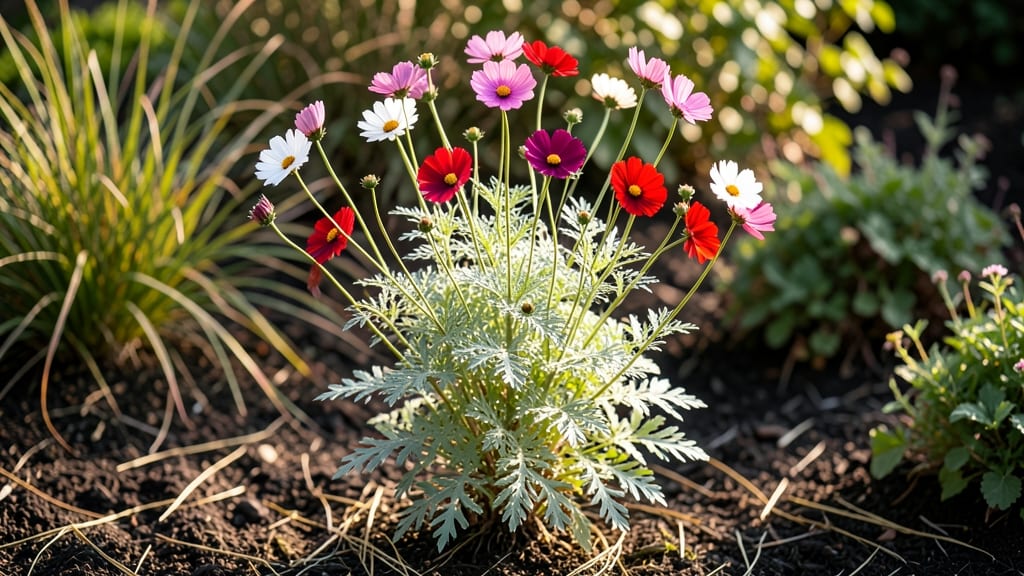
How tall do cosmos flowers grow? They range anywhere from 1 to 6 feet, depending on the variety—some stay short and bushy while others reach for the sky like sun-seeking sentinels 🌸.
Dreaming of a vibrant, low-maintenance garden but unsure which cosmos varieties will thrive? The height of your cosmos flowers can make or break your planting layout—some tower gracefully while others stay compact, perfectly framing pathways or climbing trellises.
Tall cosmos varieties like Cosmos bipinnatus can stretch up to 5 feet, making them ideal for back-of-the-border drama, while dwarf types like Cosmos sulphureus max out at just 2 feet, perfect for edging or container gardens.
In this guide, you’ll discover how to pick the right height for your space, plus pro tips to encourage those blooms to reach their full potential—without flopping over in the first summer breeze.


Cosmos flower height by variety: tall vs. dwarf types explained
Choosing the right cosmos variety depends on your garden layout and design goals. Cosmos flowers offer a stunning range of heights, from delicate dwarf varieties under 2 feet to towering 5-foot giants.
The most popular species, Cosmos bipinnatus, typically reaches 3–5 feet at maturity, making it perfect for back-of-border planting. Meanwhile, Cosmos sulphureus varieties often stay shorter, ideal for containers or front-of-bed displays.
Understanding these height differences helps you plan for sunlight exposure, wind resistance, and companion planting. Tall cosmos need sturdy stems and may require light staking in windy areas, while dwarf varieties thrive in small spaces or window boxes.
Let’s break down the most popular cosmos varieties by height to help you make the best choice for your garden.
🌱 Pro Tip: Always check seed packets or plant tags for exact height ranges—some varieties can vary by 6–12 inches depending on growing conditions.
The Cosmos bipinnatus varieties are the most popular for their bold, daisy-like blooms and long flowering season from summer to frost. If you’re aiming for a dramatic backdrop, varieties like 'Seashells' or 'Double Click' reach 4–5 feet and thrive in full sun.
For a whimsical, cottage-garden look, Cosmos sulphureus with its bright yellow or orange flowers stays shorter, perfect for pollinator-friendly gardens.
If you’re working with limited space, dwarf cosmos like 'Peppermint Twist' (under 2 feet) or 'Chocolate Cosmos' (also 1–2 feet) are ideal for container gardening or rock gardens. These varieties also self-seed readily, so you’ll likely see volunteer plants popping up year after year.
For windy climates, taller cosmos may need supportive staking or planting near natural windbreaks like fences or shrubs. In USDA Zones 3–5, treat cosmos as annuals since they’re not cold-hardy. However, in warmer zones (6–11), they often self-sow and return year after year.
One of my favorite height-controlling tricks is regular deadheading. Pinching back flower stems encourages bushier growth and prevents leggy, tall stems. This works especially well for Cosmos bipinnatus varieties that might otherwise outgrow their space.
Just snip off spent blooms just above a leaf node to redirect energy into new side shoots.
For garden planning, consider pairing tall cosmos (4–5 feet) with
How to choose cosmos height for your garden layout
Selecting the right cosmos height transforms your garden from chaotic to curated. Tall cosmos like Cosmos bipinnatus create stunning backdrops, while dwarf varieties like Cosmos sulphureus 'Bright Lights' add delicate borders. Your layout depends entirely on the variety you choose—and how you plan to use them.
Before planting, visualize your garden's vertical layers. Tall cosmos (4-6 feet) work beautifully behind shrubs or along fences, while dwarf cosmos (1-2 feet) thrive in front of pathways or mixed containers. Even semi-dwarf cosmos (2-4 feet) offer flexibility for mid-height plantings.
Here’s how to match cosmos height to your design goals with spacing and pruning tips:
For small gardens, dwarf cosmos are your best friends—they fill space without overwhelming it. In large landscapes, tall cosmos create dramatic focal points when planted in odd-numbered groupings (3, 5, or 7 plants).
Always consider your sun exposure: cosmos need 6+ hours of sunlight to reach their full height potential.
Pro tip: If your cosmos start leaning, it’s not a height issue—it’s a support problem. Add stakes or trellises early in the season to guide tall varieties upright. This keeps your garden looking intentional, not chaotic.
Experiment with different heights to create visual interest. Mix tall, medium, and dwarf cosmos in the same bed for a layered, textured look that blooms from summer through fall. Your garden’s height strategy is the secret to effortless elegance! 🌻