
Flowers
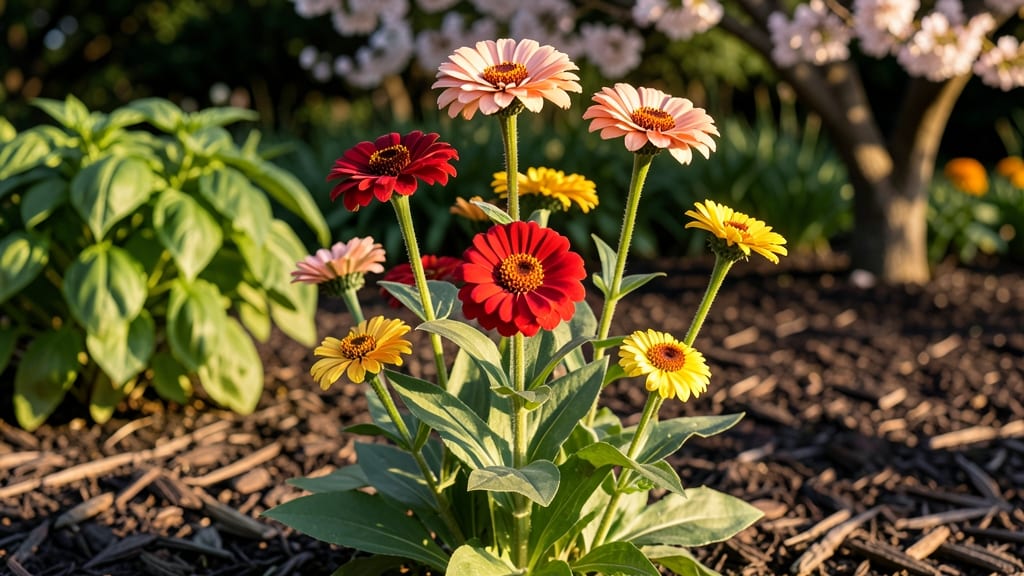
Zinnia flowers grow anywhere from 6 inches to 4 feet tall, depending on the variety, making them one of the most adaptable plants for gardeners of all skill levels.
Picture this: a tiny Thumbelina zinnia spilling over a window box, or a towering Benary’s Giant reaching for the sky in your backyard. That’s the beauty of zinnias—they fit everywhere, from borders to cut-flower arrangements, as long as you know their mature height.
But here’s the catch: spacing and support matter just as much as the blooms themselves. Plant dwarf varieties too close, and you’ll end up with a tangled mess.
Skip the stakes for tall types, and they’ll flop over by midsummer. The right height range isn’t just about aesthetics—it’s about healthy growth and a garden that thrives.
In this guide, I’ll break down the exact height ranges for each zinnia type, plus pro tips on spacing, staking, and pruning to keep them looking their best all season long.


Zinnia height ranges by variety: dwarf to giant sizes explained
Zinnias are one of the most versatile annual flowers for gardeners, offering height variations that can completely transform your landscape. Whether you're designing a window box or creating a dramatic backdrop, selecting the right zinnia height ensures your garden thrives.
From dwarf varieties perfect for small spaces to giant cultivars that reach towering heights, understanding these ranges helps you make informed planting decisions.
I’ve grown dozens of zinnia varieties over the years, and the height differences are truly remarkable. Some barely reach my knee, while others rival my own height! The key to successful zinnia gardening lies in matching the variety to your space and design goals.
For example, dwarf zinnias like 'Thumbelina' are ideal for container gardens and edging borders, while tall varieties like 'Benary’s Giant' create stunning focal points in mixed borders.
| Variety Category | Popular Cultivars | Mature Height Range | Best Uses | Spacing Needs |
|---|---|---|---|---|
| Dwarf | 'Thumbelina', 'Crystal', 'Lilliput' | 6-12 inches | Window boxes, container gardens, edging | 6-8 inches apart |
| Semi-Dwarf | 'Zahara', 'Crystal Red', 'Profusion Series' | 12-18 inches | Front of borders, cut flowers, small pots | 8-12 inches apart |
| Medium | 'Benary’s Mix', 'Persian Carpet', 'Magellan Series' | 18-24 inches | Mid-border accents, cut flower arrangements | 12-18 inches apart |
| Tall | 'State Fair', 'Envy', 'Peach Dazzler' | 24-36 inches | Back of borders, cut flower bouquets, screening | 18-24 inches apart |
| Giant | 'Benary’s Giant', 'Super Big', 'Double Click' | 36-48+ inches | Focal points, cut flower arrangements, tall containers | 24-36 inches apart |
When planning your garden, consider how zinnia height will interact with other plants. For instance, dwarf varieties like 'Thumbelina' work beautifully alongside creeping thyme or petunias in hanging baskets.
Meanwhile, giant zinnias like 'Benary’s Giant' can stand alone as dramatic solitary specimens or pair with sunflowers and hollyhocks for a cottage-garden feel. The key is to group plants by height to create visual layers in your design.
One of my favorite zinnia combinations is pairing tall zinnias with medium cosmos and dwarf marigolds. This creates a natural height gradient that draws the eye from the front to the back of the border.
For container gardens, I often mix semi-dwarf zinnias with basil and nasturtiums—the zinnias add height while the herbs and edibles fill in the lower levels.
If you're growing zinnias for cut flowers, height matters too. Taller varieties like 'State Fair' produce stems long enough for bouquet arrangements, while dwarf types are better suited for small posies or table centerpieces.
I always recommend harvesting when the buds are just beginning to open—this ensures the longest vase life and encourages more blooms to form.
For gardeners with limited space, dwarf zinnias are a game-changer. They thrive in 5-gallon containers or even window boxes, making them perfect for balconies and patios. I’ve seen 'Thumbelina' zinnias spill beautifully over the edges of hanging planters, creating a cascading effect that’s impossible to resist.
Even in small urban gardens, these varieties add pops of color without overwhelming the space.
On the other hand, giant zinnias require more room to showcase their dramatic stature. If you’re planting them in the ground, give them at least 2 feet of space on all sides to prevent overcrowding.
For container growing, opt for large 15-20 gallon pots with sturdy stakes to support their height. I’ve found that trellises or tomato cages work well for training taller zinnias vertically.
Proper spacing and support are essential for all zinnia heights. Even medium varieties can become top-heavy with blooms, so I always recommend deadheading spent flowers regularly. This not only keeps your zinnias looking neat but also encourages continuous blooming throughout the season. For tall and giant
How zinnia height affects garden design and spacing requirements
Zinnia height isn't just about aesthetics—it's the foundation of your garden's structure. Dwarf zinnias (6-12 inches) create perfect edging, while tall varieties (36-48 inches) become dramatic backdrops. Understanding these differences lets you design layers that pop with color and texture.
The key is matching each variety's mature height to its placement—whether that's a window box, border, or focal point.
Your garden's sun exposure plays a crucial role too. All zinnias thrive in full sun (6+ hours daily), but taller varieties need extra space for airflow. Without proper spacing, you risk fungal diseases or leggy growth.
Well-draining soil with a pH between 6.0-7.0 ensures even the tallest zinnias stay sturdy and vibrant throughout the season.
🌱 Styled List: Zinnia Height & Design Uses
- Dwarf (6-12"): Perfect for window boxes or container gardens. Plant 6-8 inches apart for a lush, low border.
- Medium (12-24"): Ideal for mid-border accents. Space 10-12 inches apart to avoid shading smaller plants.
- Tall (24-36"): Use as backdrops or cut flower gardens. Allow 12-18 inches of space for airflow and staking support.
- Giant (36-48"): Create focal points or privacy screens. Space 18-24 inches apart and stake early to prevent flopping.
For container gardening, choose dwarf or semi-dwarf varieties to avoid overcrowding. A 12-inch pot can comfortably hold 3-5 'Thumbelina' zinnias, while a 16-inch pot accommodates 1-2 'Benary's Giant' plants with proper staking.
Mix heights in containers by placing taller varieties in the center and shorter ones around the edges.
Companion planting amplifies your design. Pair tall zinnias with sun-loving perennials like lavender or salvia, which won't compete for space. For borders, combine dwarf zinnias with ajuga or creeping thyme to add texture contrast.
Always group zinnias by height to maintain visual balance and prevent taller varieties from shading smaller neighbors.
Proper spacing requirements extend beyond aesthetics—they improve air circulation, reducing the risk of powdery mildew, a common issue in dense zinnia plantings. In full sun, taller varieties may need 15-20% more space than their labels suggest.
Always read seed packets or plant tags for specific spacing guidelines, as some hybrid varieties grow more compactly than standard types.
Don't underestimate the power of height variation to create depth in your garden. Start with dwarf zinnias in the front, add medium-height varieties in the middle, and top with tall or giant zinnias in the back.
This layered approach draws the eye through your garden while maximizing every inch of space. With the right height mix, your zinnias won't just fill space—they'll become the star of your design.