
How To
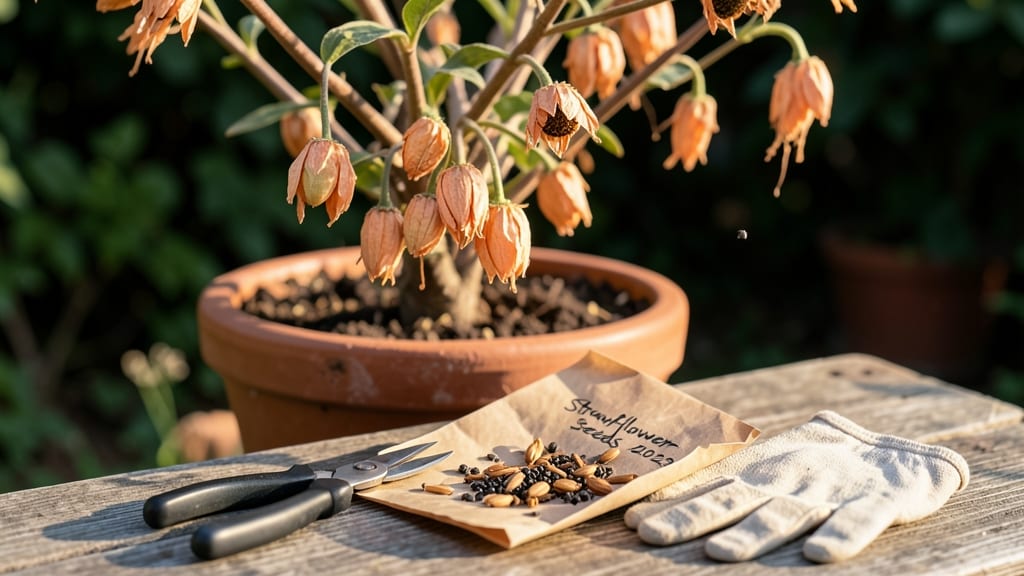
To harvest strawflower seeds at the perfect moment means capturing seeds that stay viable for years—no more wasted effort or moldy batches.
Strawflowers aren’t just beautiful cut flowers—they’re also a gardener’s secret weapon for long-lasting seed storage, often remaining viable for years. But harvesting them correctly ensures you get the best seeds for replanting, and one wrong move can ruin your entire crop.
If you’ve ever watched your dried flower heads crumble into dust too soon or wondered why your seeds sprouted poorly, you’re not alone. The key is knowing when those brown, papery seed heads are ready—and how to handle them afterward to keep them fresh.
In this guide, I’ll walk you through exactly when to harvest, the simple tools you’ll need, and the step-by-step drying and storage methods that keep your strawflower seeds good for three years or more.


When and how to identify mature strawflower seed heads for harvesting
Harvesting strawflower seeds at the perfect maturity stage ensures high viability for replanting. These drought-resistant flowers (🌼) produce seeds that can last 3+ years if stored properly. The key is recognizing when the flower heads transition from vibrant blooms to seed-bearing structures.
Mature strawflower seed heads undergo visible color changes from their original yellow, orange, or red hues to a uniform brown.
This transformation signals that the seeds inside are fully developed and ready for collection. Timing is critical—harvesting too early reduces germination rates, while waiting too long risks seed loss from weather or pests.
Seasonal timing plays a crucial role in strawflower seed harvesting. In USDA Zone 6a, aim to collect seeds between late September and October, when frost-free days remain but first frost (around October 30) hasn’t arrived. This window ensures seeds mature fully without being damaged by cold.
One of the most reliable indicators of maturity is the "seed rattle test". Gently shake a dried flower head—if you hear a loud rattling sound, the seeds are ready.
This confirms the seed pods have hardened and released from their papery centers. Ignore green or yellow remnants—they signal immaturity.
For accurate identification, examine the flower head structure closely. Mature seeds appear as small, dark brown dots within the dried petals. The entire head should feel lightweight and papery, not dense or moist. Avoid harvesting if petals remain pliable or seeds stick to the head.
In cooler climates, strawflowers may mature slower—extend your harvest window into early November if needed. Conversely, in warmer zones, seeds may dry faster; monitor daily for optimal timing. Morning harvests work best to prevent evening humidity buildup, which can reduce seed quality.
Common mistakes include harvesting based solely on flower color or assuming all heads mature simultaneously. Check multiple heads—some varieties (like 'Paprika' or 'Champagne') may mature 1-2 weeks earlier than others. Label your seed batches by variety to maintain consistency in future plantings.
After confirming maturity, cut seed heads with 2-3 inches of stem attached. This stem provides structural support during drying and prevents seed loss. Bundle 5-10 heads together with twine and hang them upside-down in a well-ventilated, dry location (like a garage or shed) for 2-3 weeks.
Pro tip: Use a paper bag to collect fallen seeds from mature heads left on the plant. This passive method catches seeds that naturally disperse while still ensuring high viability. Store collected seeds in a cool, dark place until ready for processing.
Step-by-step process for harvesting and drying strawflower seeds properly
Once you’ve identified your fully mature strawflower seed heads, the next critical step is harvesting them at the right time and drying them properly. Premature harvesting leads to low viability, while over-drying can cause seeds to lose moisture and become unusable.
The goal is to balance timing, handling, and drying conditions to preserve those seeds for years.
I’ve learned from trial and error that even a slightly humid day can turn your drying process into a moldy disaster. That’s why I’ll share my foolproof method for cutting, drying, and storing strawflower seeds—plus how to troubleshoot common issues like premature drying or seed mold.
- 1 Harvest on a dry, sunny day: Cut the entire dried flower head with clean pruning shears or scissors, leaving a 1-inch stem. Avoid harvesting after rain to prevent mold growth during drying.
- 2 Remove excess foliage: Strip off any green leaves or stems attached to the flower head. This reduces moisture retention and speeds up drying. Use your fingers or a small knife for precision.
- 3 Hang upside down in a dry location: Tie the stems together with twine or rubber bands and hang them in a well-ventilated, shaded area (like a garage or shed). Avoid direct sunlight to prevent overheating and seed damage.
- 4 Dry for 2-4 weeks: Check weekly for completely dry seed heads (they should crumble easily when touched). If humidity is high, extend drying time or use a dehumidifier nearby.
- 5 Separate seeds from chaff: Once fully dry, gently rub the flower head between your hands or use a fine mesh sieve to separate seeds from dried petals and stems. Discard debris to avoid contamination.
- 6 Store in airtight containers: Place seeds in paper envelopes or glass jars with a desiccant packet (like silica gel) to absorb moisture. Label with the harvest date for tracking viability.
If your seed heads start developing mold or white fuzz during drying, act fast! Move them to a drier location immediately and spread them out to air out. A small fan on low can help circulate air and speed up drying without damaging the seeds.
Pro tip: Test a few seeds before storing the rest. Place them on a damp paper towel in a sealed bag for a week. If they sprout within 7-10 days, your batch is ready for long-term storage. If not, extend drying time or check your storage conditions.
With this method, your strawflower seeds will stay viable for 3+ years, ready to bring back those cheerful blooms season after season. Happy harvesting! 🌼