
Plants
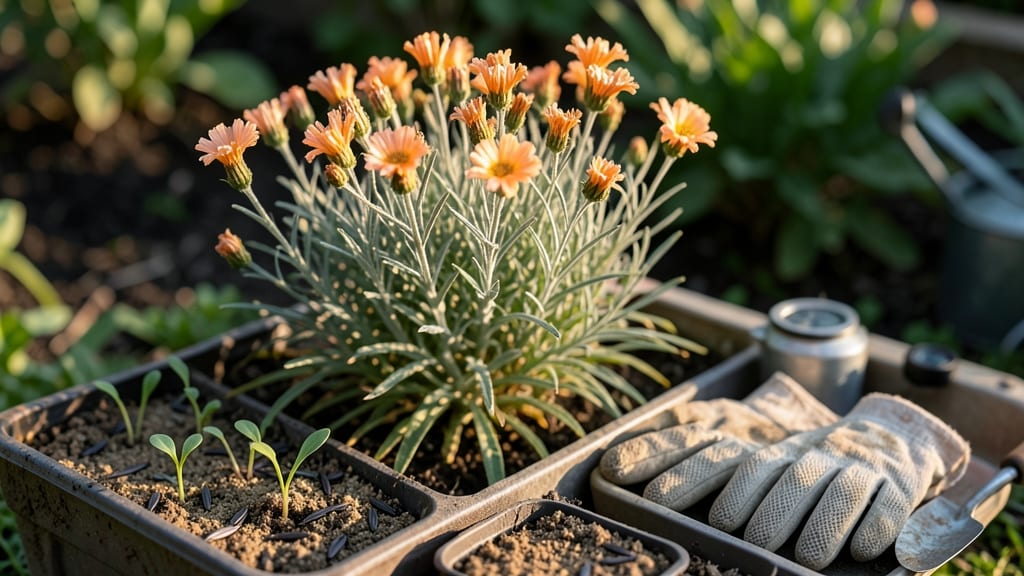
Plant strawflower seeds about 6-8 weeks before your last frost date for vibrant blooms that last from summer through fall—just in time for year-round color in your garden.
Struggling to keep your garden blooming all year? Strawflowers are the secret weapon for vibrant, long-lasting color—but timing your planting is everything. Get it wrong, and you’ll miss the perfect window for stunning, drought-resistant blooms that last through winter.
In USDA Zone 6a and beyond, these cheerful 🌼 flowers thrive when sown in early spring (April-May) or late summer (August-September). Whether you’re a beginner or a seasoned gardener, knowing the right moment to plant ensures your strawflowers will reward you with bold hues and minimal fuss.
Below, I’ll break down the best planting times by climate, how to extend blooms year-round, and the simple steps to get your seeds off to the best start—no guesswork required.
Best months to plant strawflower seeds by climate Zone
Strawflowers (Xerochrysum bracteatum) are my go-to for long-lasting color and drought resistance, but their planting timing depends entirely on your USDA zone. Unlike frost-sensitive annuals, strawflowers thrive in cool springs and warm falls, giving you two prime planting windows—spring and late summer.
Let’s break down the best months for your region to ensure continuous blooms from summer through winter.
In Northern zones (3-6), focus on early spring planting after the last frost, while Southern zones (7-11) can extend into fall for winter interest. Strawflowers are annuals in most climates, meaning they’ll self-seed if you let them, but proper timing maximizes their vase life and garden impact.
Whether you’re in Minnesota or Florida, these guidelines will help you avoid common pitfalls like overcrowding or heat stress.
For Northern gardeners in zones 3-6, I recommend starting seeds indoors 6-8 weeks before your last frost date. Strawflowers germinate best in 60-70°F soil, so use a heat mat if your spring soil is still chilly.
Once seedlings have 2-3 true leaves, transplant them outdoors after hardening off for 7-10 days. In Southern zones (7-11), you can sow directly into the garden year-round, but late summer is my favorite time for fall blooms.
One of my biggest tips is to stagger your planting by 3-4 weeks. This ensures a continuous display of color instead of one big flush of blooms. For example, in Zone 5, I’ll plant the first batch in early May and the second in late June.
This way, I enjoy summer blooms from July and fall blooms from September through October. The same strategy works in warmer climates, just adjusted for local frost dates.
Strawflowers are drought-tolerant once established, but they hate soggy soil. If you’re in a humid climate like Zone 8 or 9, amend your soil with perlite or sand to improve drainage.
In containers, use a fast-draining mix with 30% perlite to prevent root rot. I’ve even grown them in terracotta pots on my balcony—just make sure the container has drainage holes.
If you’re aiming for winter color, plant your final batch in late summer (August in zones 5-7, September in zones 8-11). Strawflowers can tolerate light frosts and will keep blooming until hard freezes hit.
To protect them, I often mulch heavily with straw or leaves and cover them with frost cloth on cold nights. This extends their life by 4-6 weeks in my Zone 6 garden.
Pro tip: Strawflowers
How to extend strawflower blooms: seasonal planting strategies
Want year-round color from your strawflowers? The secret lies in staggered planting—a technique that ensures fresh blooms every season without extra effort. By planting in three strategic windows, you’ll create a continuous display from spring through fall, even in colder climates.
Strawflowers are annuals with a 120-150 day lifespan, but with the right approach, you can cheat the clock. Whether you’re in USDA Zone 6a or warmer regions, these drought-tolerant blooms thrive when given the perfect timing. Let’s break down how to keep your garden vibrant all season long.
🌱 Step-by-Step Planting Schedule for Extended Blooms
- Early Spring Planting (Zone 6a+): March 15-April 15 (indoors) or April 15-May 1 (direct sow outdoors). Start seeds in trays under grow lights for 6-8 weeks before last frost.
- Late Summer Planting: July 15-August 15 (direct sow outdoors). Choose heat-tolerant varieties like 'Paprika' for fall color. Water deeply every 10-14 days to establish roots before cooler weather.
- Fall Succession Planting: September 1-October 1 (Zones 7-11 only). Plant 4-6 weeks before first frost for late-season blooms. Use black plastic mulch to extend soil warmth.
- Overwintering Seeds (Cold Climates): Harvest dry seed heads in fall, store in paper envelopes at 40°F, then sow indoors in January under lights. Transplant outdoors 6 weeks before last frost.
Pro Tip: Label each planting batch by date to track bloom cycles!
For container gardening, use 5-gallon pots with well-draining mix and plant 3-5 seeds per container. Place pots in full sun and fertilize lightly every 4-6 weeks with a 5-10-10 blend. Containers dry out faster, so check soil moisture daily during heatwaves.
Extend vase life by cutting stems at a 45-degree angle and placing them in lukewarm water with a flower preservative. Strawflowers last 2-3 weeks in arrangements—longer than most cut flowers! For dried arrangements, harvest when blooms are fully open but still papery-dry.
In USDA Zones 3-5, focus on spring and late summer plantings only. Use row covers to protect seedlings from late frosts, and choose compact varieties like 'Bright Lights' for smaller spaces. With these strategies, you’ll enjoy continuous color with minimal maintenance.
Remember: Less is more with strawflowers. Their drought tolerance and low-maintenance nature make them perfect for busy gardeners. By following this staggered approach, you’ll transform your garden into a year-round showcase—no green thumb required!