
Blooming
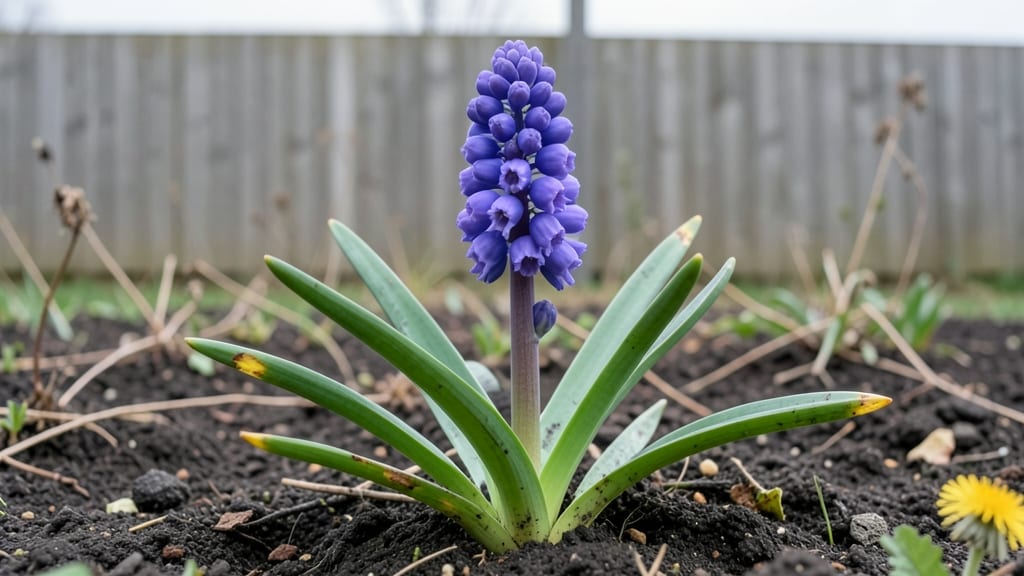
Hyacinths are finicky about timing—cold snaps can delay blooms, while early warmth might push them ahead. 🌱 I’ve seen varieties like ‘Blue Jacket’ or ‘Pink Pearl’ burst into color as early as January in mild climates, while hardier types like ‘Anna Marie’ often wait until March.
The secret lies in their dormancy needs: bulbs need a solid 6-8 weeks of cool, dark conditions before they’ll bloom reliably.
Forcing tricks—like chilling bulbs in the fridge or using grow lights—can trick them into blooming months early, but timing matters. Plant bulbs 6-8 weeks before your target bloom date to avoid flopping stems or weak flowers. Over-forcing can also stress the plant, so balance is key for vibrant, long-lasting blooms.
💡 In This Article
- Factors Influencing Hyacinth Bloom Timing
- Step-by-Step Guide to Forcing Hyacinths for Extended Blooms
Factors influencing hyacinth bloom timing
Hyacinths rely on a precise sequence of environmental cues to trigger blooming, starting with their dormancy cycle. These bulbs need a period of cold exposure—typically 10-12 weeks at temperatures between 35-50°F—to break dormancy. This chilling requirement mimics winter conditions, signaling the bulb that it's safe to grow.
Without this cold snap, the plant won't initiate flower formation, no matter how warm it gets later. Think of it like a biological countdown timer: skip the chill, and the blooms never appear. 🌱
The planting depth also plays a critical role in timing. Hyacinth bulbs should be buried 6 inches deep in well-draining soil, with the pointed end facing upward.
Planting too shallow (4 inches) exposes the bulb to warmer surface temperatures, accelerating growth but often resulting in weak stems that flop under flower weight. Conversely, planting too deep (8+ inches) delays emergence because the bulb struggles to push through denser soil layers.
The ideal depth balances warmth exposure with structural support for the emerging stalk.
Climate zones dramatically shift bloom windows. In USDA Zone 5-6, where winters are harsh, hyacinths often bloom in late April to May, while in Zone 8-9, milder winters push blooms to February-March. The key difference? Soil temperature at planting time.
In colder zones, bulbs get their required chill period naturally, while warmer climates may need artificial chilling or early planting to meet dormancy needs. Varieties like ‘Woodstock’ (white) or ‘Delft Blue’ thrive in cooler regions, while ‘Jan Bos’ (purple) handles heat better and blooms earlier.
Light exposure after planting also influences timing. Hyacinths need 6-8 hours of sunlight daily once shoots emerge, but too much early light can trigger premature growth before the bulb is ready.
This is why gardeners in sunny climates sometimes use shade cloth temporarily after planting to delay sprouting until soil temperatures are ideal. The plant’s internal clock—called vernalization—requires this balance of light and temperature to time flower bud formation precisely.
Get it wrong, and you’ll end up with blooms that arrive too early (and get fried by late frosts) or too late (missing peak display windows).
Soil temperature at planting is the final piece of the puzzle. Bulbs planted in soil warmer than 60°F may sprout too soon, leading to weak stems that can’t support the flower head. The ideal planting soil temp is 50-55°F, which aligns with late fall in most regions.
This cool window gives the bulb time to establish roots before active growth begins. In containers, you can control this by pre-chilling potted bulbs in the fridge for 8-10 weeks before bringing them into light. This mimics natural ground conditions and ensures synchronized blooming. ✨
What most gardeners overlook is how moisture levels interact with these factors. Hyacinth bulbs need consistently moist (but not soggy) soil during their first 6 weeks of growth, but too much water in cold soil can cause rot.
The sweet spot is 1-1.5 inches of water per week, delivered through drip irrigation or soaker hoses to avoid wetting the foliage. This balance keeps the bulb hydrated without triggering fungal issues that can delay or prevent blooming entirely.
Here’s the takeaway: timing isn’t just about when you plant—it’s about orchestrating a perfect storm of cold exposure, soil conditions, light, and moisture. Master these factors, and you can shift hyacinth blooms by 4-6 weeks earlier or later than their natural window.
The science behind it is what makes these flowers such a rewarding (if finicky) garden challenge. 💫