
Blooming
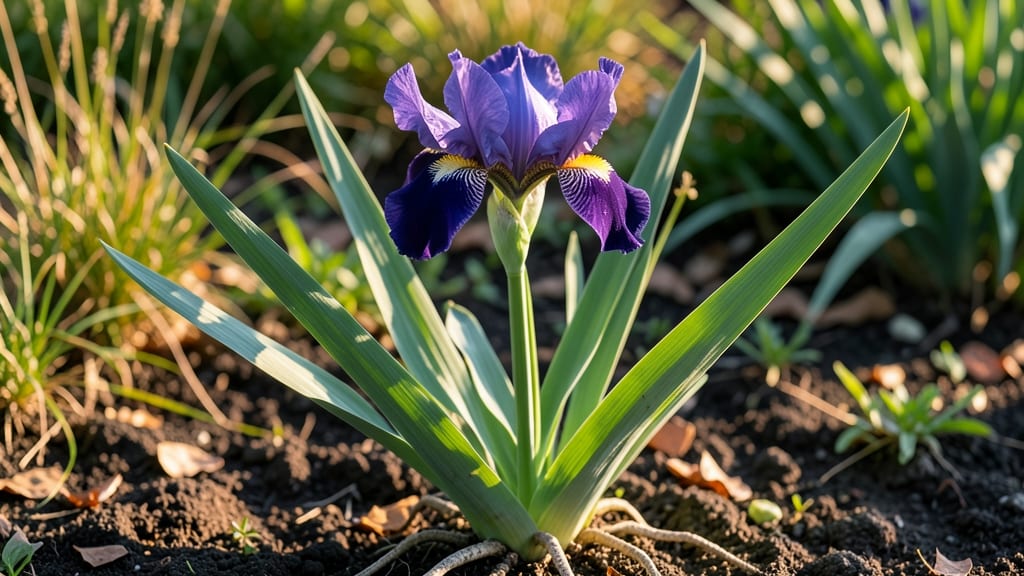
The iris flower season arrives like clockwork each spring, turning gardens into vibrant displays of purple, blue, and yellow 🌸 — but only if you know the right timing and care tricks.
If you’ve ever wondered why your iris blooms seem to vanish overnight—or why your neighbor’s garden bursts with purple spikes while yours stays bare—timing is everything.
From the Pacific Northwest to the Deep South, iris varieties bloom anywhere from late winter to early summer, with USDA Zone 6a gardeners like me catching the peak in May and June.
In this guide, I’ll break down when to expect blooms by region, how to extend your iris season with simple care, and the best companion plants to keep your garden thriving all spring long.
Iris flower season by US growing zones: when to expect blooms
Timing your iris care to match your USDA hardiness zone can transform your garden from a bloomless disappointment to a colorful showstopper.
Most irises thrive in zones 3-10, but their bloom windows shift dramatically depending on whether you're in the Pacific Northwest's mild climate or the Deep South's long summers. Understanding these patterns helps you plant at the right time for maximum flower production.
In cooler northern zones (3-6), irises typically bloom in late spring (May-June), while southern gardeners (zones 7-10) often enjoy earlier blooms (March-April) or even fall reblooming varieties.
The key difference? Chilling requirements—many irises need 6-8 weeks below 50°F to trigger blooms, which happens naturally in northern climates but requires artificial chilling in warmer regions.
Here's how to align your iris planting with your local bloom season for optimal results:
| USDA Zone | Typical Bloom Window | Best Planting Time | Key Varieties | Climate Notes |
|---|---|---|---|---|
| Zones 3-4 | Mid-May to early June | Late August-September | Siberian iris, Arctic iris | Short growing season; needs early start |
| Zones 5-6 | Late April to May | Early September-October | Bearded iris, Louisiana iris | Classic iris territory; reliable blooms |
| Zones 7-8 | March-April (early) or September-October (late) | Late summer (August-September) | German iris, Japanese iris | Can rebloom with proper care |
| Zones 9-10 | January-February (winter) or November (fall) | Early fall (July-August) | Reticulata iris, Spanish iris | Needs winter chilling for spring blooms |
For gardeners in zones 5-6, the classic bearded iris typically blooms in late April to May, making it perfect for spring garden displays. Plant rhizomes in early fall (September-October) to establish roots before winter.
In contrast, Pacific Northwest gardeners (zones 7-8) can enjoy early spring blooms (March-April) with varieties like Japanese iris, which thrive in cooler, wetter climates.
Southern gardeners in zones 9-10 face unique challenges due to mild winters. Reticulata iris blooms in winter (January-February), offering color when few other plants bloom. To encourage blooms, plant in early fall (July-August) and provide partial shade during summer to prevent heat stress.
Some varieties may even rebloom in fall (November) with proper care.
In cooler mountain regions (zones 3-4), focus on early-blooming varieties like Siberian iris, which can handle short growing seasons. Plant rhizomes in late summer (August-September) to allow roots to establish before early frost.
These hardy irises often bloom in mid-May to early June, aligning with peak pollinator activity.
Regional climate quirks matter! For example, Deep South gardeners (zone 10) might need to simulate winter chill by storing iris rhizomes in the refrigerator for 6-8 weeks before planting in early fall.
Meanwhile, Pacific Northwest gardeners (zone 8) can often skip this step thanks to cooler, wetter summers that naturally extend the growing season.
Pro tip: Divide iris clumps every 3-5 years in late summer (August-September), regardless of zone. This rejuvenates plants and ensures stronger blooms the following season. Always plant divisions with the top third exposed to prevent rot.
To maximize your iris flower season, consider strategic companion planting. Pair early bloomers (March-April) with late spring bulbs like alliums or tulips for a sequential color display. In warmer zones, add fall-blooming asters to bridge the gap between spring and fall iris blooms.
Remember: Consistent moisture is key during bloom season. Water deeply once weekly in spring and bi-weekly in summer, always in the morning to prevent fungal diseases. With the right timing and
Best iris varieties for specific bloom seasons: early, mid, and late
Timing is everything when it comes to iris blooms, and choosing the right variety can transform your garden into a season-long color show. Some irises bloom as early as late winter, while others wait until summer heat to shine.
By selecting varieties that align with your climate and desired bloom window, you can create a garden that stays vibrant from January through July.
I’ve planted irises for years, and I’ve learned that the key to a stunning display lies in strategic variety selection. For example, Iris reticulata wakes up early to greet winter’s end, while Iris germanica holds court in summer’s peak.
Let’s explore the best options for each bloom season and how to maximize their beauty.
🌱 Numbered Highlights: Iris Varieties by Bloom Season
- Early Bloomers (Jan-Mar): Iris reticulata – Tiny but mighty, these winter irises bloom in January-February with delicate lavender or white flowers. Perfect for USDA Zones 5-9 and ideal for forcing indoors.
- Spring Starters (Mar-Apr): Iris histrioides – Known as the "harlequin iris," these spring bloomers feature striking purple-and-yellow patterns. Thrives in Zones 4-8 and loves full sun.
- Mid-Season Showstoppers (Apr-May): Siberian iris – With ruffled blue or white blooms, these hardy beauties shine in Zones 3-7 and tolerate wet soils, making them perfect for rain gardens.
- Late Spring (May-Jun): Iris pallida – Tall and dramatic, this Italian iris boasts silvery-blue spikes and thrives in Zones 6-9. Great for cut flowers and cottage gardens.
- Summer Delights (Jun-Jul): Iris germanica – The classic bearded iris delivers bold purple, yellow, or white blooms in Zones 3-9. Plant in full sun for the best display.
- Bonus: Fall Rebloomers (Sep-Oct): Iris xiphium – These Spanish irises can rebloom in fall with soft pink or white flowers. Perfect for coastal gardens in Zones 7-10.
Each of these varieties brings something unique to the table, whether it’s early color, drought tolerance, or summer-long blooms. For example, Siberian irises are my go-to for wet climates because they thrive where many other perennials struggle.
Meanwhile, Iris germanica is the workhorse of summer gardens, offering bold colors that stand out against green foliage.
To extend your iris season, I recommend mixing varieties with staggered bloom times. For instance, plant Iris reticulata in containers near a sunny window to enjoy early blooms indoors, then transition to bearded irises for a summer finale.
This creates a continuous display that keeps your garden looking fresh from winter’s end to summer’s peak.
Don’t forget to deadhead spent blooms and divide overcrowded rhizomes every 3-4 years to keep your irises healthy and blooming vigorously. With the right mix of varieties, your garden can be a year-round iris paradise, even if the blooms themselves are seasonal.