
Trees
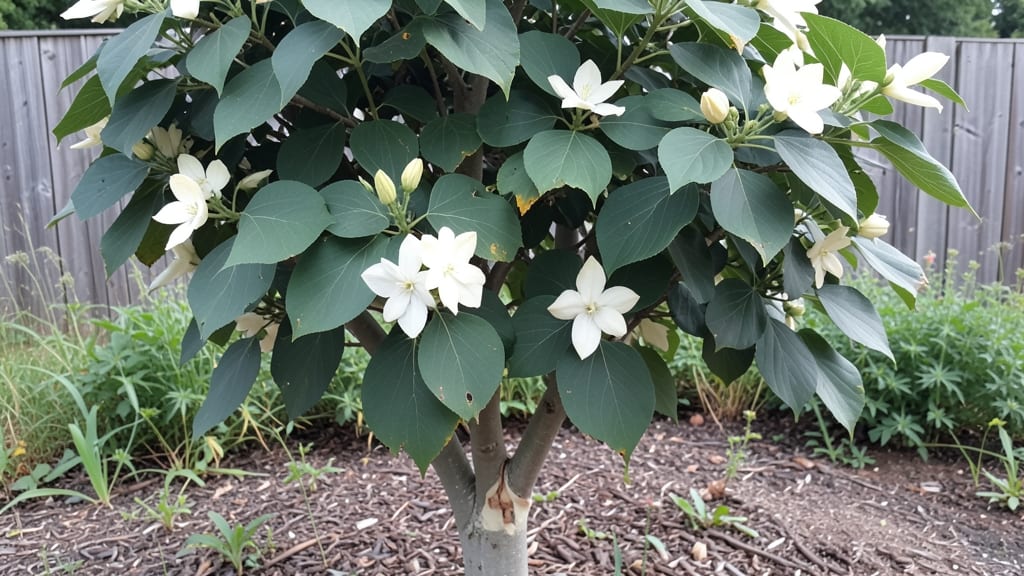
Your Kousa dogwood tree flower display could last weeks longer with just a few simple pruning tweaks—no major surgery required.
If your Kousa dogwood tree’s stunning pink blooms are fading too quickly, the secret to extending their showy display every season lies in strategic pruning—without sacrificing the tree’s health or structure.
Unlike many trees, Kousa dogwoods bloom on old wood, meaning last year’s growth holds next spring’s flowers. Cut too aggressively, and you risk losing those show-stopping 🌸 blooms entirely.
In this guide, I’ll walk you through the exact pruning timing, tools, and techniques to keep your tree flowering like a pro—plus how to spot (and fix) the three biggest mistakes that shorten bloom time.
When and how to prune Kousa dogwood trees for maximum flowering
The Kousa dogwood tree (Cornus kousa) produces breathtaking pink flowers that last longer when pruned correctly. Unlike other dogwoods, its blooms form on old wood, so timing and technique are everything.
Prune too early or aggressively, and you’ll sacrifice next year’s flower display. But with the right approach, you can encourage larger blooms and healthier growth.
Most gardeners make two critical mistakes: pruning at the wrong time or cutting too much at once. The Kousa dogwood thrives with minimal pruning—just enough to shape the tree and remove dead branches.
By focusing on late winter or early spring pruning, you’ll preserve flower buds while maintaining the tree’s natural form and vigor.
Prune your Kousa dogwood during late winter (February-March), just before new growth begins. This timing ensures you don’t accidentally remove flower buds that formed the previous summer.
Start by cutting out dead branches or those with disease signs (like black spots or mold). Use sterilized pruners to prevent spreading pathogens. Focus on branches that are completely brown or hollow.
Selectively remove crossing branches or those growing inward to improve air circulation. Aim to keep the tree’s natural shape while opening up the canopy for better light exposure—this boosts flower production.
If your tree needs shaping, limit cuts to no more than 25% of the foliage. Focus on outer branches to maintain a balanced silhouette. Avoid heavy pruning, which can stress the tree and reduce next year’s blooms.
After pruning, sterilize your tools with rubbing alcohol to prevent bacterial spread. Collect and dispose of clippings far from the tree to avoid pests or disease buildup in the garden.
In early spring, watch for new shoots emerging from the base. These indicate the tree is recovering well. If growth is sparse, consider a light fertilizer application in April to support flower bud development.
One of the biggest pruning myths is that you should prune Kousa dogwoods right after flowering. This is a common mistake that can reduce next year’s blooms. Since flowers form on old wood, cutting back too late removes potential buds for the following season.
Always prioritize late winter pruning to protect your tree’s flowering potential.
For young Kousa dogwood trees (under 5 years old), pruning is minimal—just remove dead wood or branches that rub together. Mature trees benefit from selective thinning every 2-3 years to maintain their ornamental shape and encourage larger blooms.
Avoid heavy pruning unless reviving a neglected tree, as this can shock the plant and delay flower production.
Pro tip: If your Kousa dogwood isn’t flowering as much as expected, check for overcrowded branches or poor light exposure. Pruning to open the canopy and pairing it with balanced fertilization can revive even older trees.
Just remember: patience is key—it may take a season or two to see a noticeable improvement in bloom size.
Finally, always use sharp, clean tools to make smooth cuts just above a bud or branch collar. Ragged cuts can invite pests and diseases, while proper technique promotes faster healing and healthier growth.
With the right approach, your Kousa dogwood will reward you with showstopping blooms year after year.
🌸
Kousa dogwood flowering habits: why pruning timing matters more than you think
The Kousa dogwood tree produces its stunning pink flowers on old wood—meaning last year’s growth. This unique flowering habit makes pruning timing critical. If you prune at the wrong time, you risk cutting off next year’s blooms entirely.
Unlike spring-blooming trees that flower on new wood, Kousa dogwoods reward patience with longer-lasting, more abundant flowers when pruned correctly.
Understanding this growth cycle helps you balance tree health and flower production. Aggressive pruning can reduce bloom size, while minimal pruning keeps the tree looking tidy but may limit its flowering potential.
The key lies in strategic cuts that preserve last year’s branches while shaping the tree for future growth.
Late winter or early spring—just before bud break—is the ideal pruning window for Kousa dogwoods. This timing ensures you’re only removing dead or damaged branches while leaving flower-bearing wood intact.
Pruning after blooms have faded (late spring/summer) risks cutting off next year’s flowers, as new growth won’t have time to develop before winter.
For young trees, focus on structural shaping during dormant seasons to encourage a strong framework. As the tree matures, prioritize selective thinning to improve airflow and light penetration. Avoid heavy pruning—even in overgrown trees—unless absolutely necessary, as Kousa dogwoods respond poorly to drastic cuts.
If your tree’s blooms are sparse or small, the issue might be over-pruning or poor soil health. Test your soil’s pH and nutrients, and consider a balanced fertilizer in early spring. Pair this with proper watering (deep but infrequent) to support robust growth and flower production.
Remember: Patience pays off. A well-pruned Kousa dogwood can double its bloom display over time with minimal intervention. The right timing and gentle approach ensure your tree stays healthy while putting on its best floral show year after year.