
Flowers
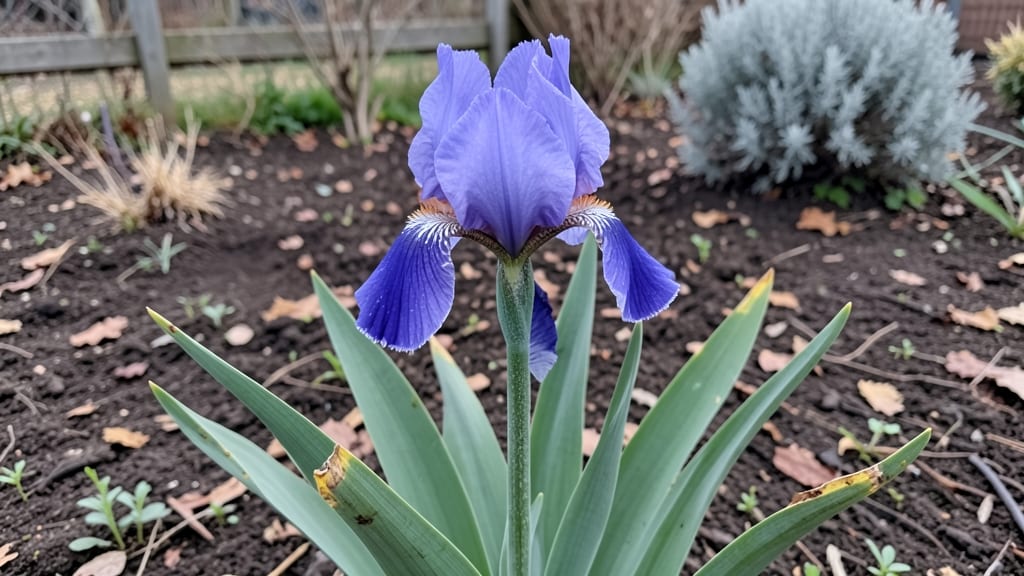
Growing a large iris flower like the striking Bearded Iris 🌸 transforms your garden into a vertical masterpiece—these bold blooms can soar to 4 feet with the right care.
If you dream of dramatic garden displays that command attention, these towering varieties are your secret weapon. Unlike smaller flowers, they deliver bold colors and striking elegance with surprisingly little effort once established.
In USDA Zone 6a, planting your Bearded Iris rhizomes in March or April (after the last frost) sets the stage for spring blooms that will turn heads. The key?
Well-draining soil, full sun, and a little patience—your first year may only bring 1-2 feet of growth, but by year three, you’ll see those 3-4 foot giants.
Ready to learn the exact steps for planting, feeding, and protecting your irises? I’ll walk you through selecting the tallest varieties, mastering the rhizome-planting trick, and keeping them thriving for years—no green thumb required.
How to select and plant large iris bulbs for maximum height
To achieve towering iris blooms that dominate your garden, selecting the right iris varieties and mastering proper planting techniques is essential. Bearded irises are the most popular choice for height, often reaching 3 to 4 feet with proper care, while Siberian irises and Japanese irises also offer impressive stature.
The key lies in understanding their unique needs—from soil preparation to precise planting depth—to unlock their full potential.
I’ve planted large iris bulbs in my own garden for years, and the difference between a well-planted iris and one struggling for height is striking.
A few simple steps—like choosing the right bulb size, amending clay-heavy soil, and spacing rhizomes correctly—can transform a mediocre display into a showstopping garden feature. Let’s dive into the exact methods that work.
Step-by-Step Guide to Planting Large Iris Bulbs
-
Step 1: Choose Your Variety
Select Bearded irises for maximum height (3–4 ft) or Siberian irises for slender, 2–3 ft stems. Japanese irises are shorter but more lush and textured.
-
Step 2: Prepare the Soil
Test your soil’s drainage—irises hate soggy roots. Amend clay soil with compost or sand to improve aeration. Aim for a pH of 6.0–7.0 for optimal growth.
-
Step 3: Select Healthy Bulbs
Choose firm, plump rhizomes (not true bulbs) with no soft spots. Larger rhizomes (3–4 inches long) produce taller, stronger stems in their first year.
-
Step 4: Plant at the Right Depth
Plant rhizomes with the top half exposed and the pointy end facing upward. The root side should be buried 2–3 inches deep in well-draining soil.
-
Step 5: Space for Growth
Space rhizomes 12–24 inches apart for Bearded irises (closer for dwarf varieties). This prevents overcrowding and ensures stronger stems and larger blooms.
-
Step 6: Water Thoroughly
After planting, water deeply to settle the soil. Avoid overwatering, as irises prefer dry conditions once established. Mulch lightly to retain moisture.
-
Step 7: Full Sun Exposure
Place your irises in a south-facing spot with 6+ hours of sunlight daily. More sun = taller stems and brighter blooms, especially for Bearded irises.
One of the biggest mistakes I see is planting iris rhizomes too deep, which can rot the roots and stunt growth. The top half exposed rule is critical—it ensures the rhizome stays dry and prevents disease.
If your soil is sandy or rocky, consider adding a layer of organic matter to help retain moisture while still allowing excess water to drain.
For maximum height, fertilize lightly in early spring with a balanced 5-10-10 fertilizer. Avoid heavy feeding, as too much nitrogen can lead to leafy growth at the expense of blooms.
Instead, focus on well-draining soil and full sun exposure—these two factors alone can add 6–12 inches to your iris stems over time.
In my garden, the tallest irises grow in a raised bed with amended soil and morning sun. They’ve reached 4 feet tall in just two seasons, thanks to these precise planting techniques. The secret? Patience and precision—irises reward careful planting with years of dramatic, towering blooms.
If you’re planting in containers, use a fast-draining mix with perlite or sand. Ensure the pot has drainage holes, as waterlogged roots are the fastest way to kill your irises.
Container-grown irises may not reach the same height as in-ground plants, but they still make a stunning vertical accent.
Finally, remember that large iris flowers thrive in USDA Zones 3–9, making them versatile for most climates. In colder regions, mulch heavily in winter to protect the rhizomes.
With the right care, your irises will soar above the garden, creating a breathtaking focal point that turns heads every spring.
Top 5 large iris varieties that dominate garden beds
If you're craving showstopping height and vibrant blooms, these large iris varieties will transform your garden into a vertical masterpiece. Towering up to 4 feet tall, they bring drama and structure to borders, cottage gardens, and even container displays.
The key to success? Choosing the right cultivar for your climate and space—whether you need early spring color or late-season flair.
I’ve grown these tallest iris varieties in my own garden, and they consistently steal the show. From the bold blues of 'Blue Flag' to the deep purples of 'Regina,' each brings something unique.
Let’s dive into their height ranges, bloom times, and ideal growing conditions so you can pick the perfect variety for your garden’s personality.
🌱 comparison table
For maximum height, 'Giant Star' is my top pick—it consistently reaches 4 feet and blooms in mid-spring, giving you an early-season spectacle. If you’re in a warmer climate, 'Korean Iris' thrives in partial shade and blooms later, adding summer interest when other irises fade.
Meanwhile, 'Blue Flag' is a hardy perennial that tolerates USDA zones 3–9, making it perfect for northern gardens.
When planting these towering varieties, prioritize well-draining soil and full sun exposure for the best results. I’ve found that adding a layer of compost before planting boosts their vigor, especially in heavy clay soils.
Space them 12–18 inches apart to allow airflow and prevent fungal diseases like iris borer, a common pest in large iris beds.
Pro tip: Stake tall varieties like 'Giant Star' in windy areas to prevent stem breakage. I use bamboo stakes tied loosely with soft twine—it’s subtle but effective. For container growing, choose large pots (at least 12 inches deep) and use a fast-draining mix to keep roots healthy.
With the right care, these dramatic irises will dominate your garden for years to come!