
Flowers
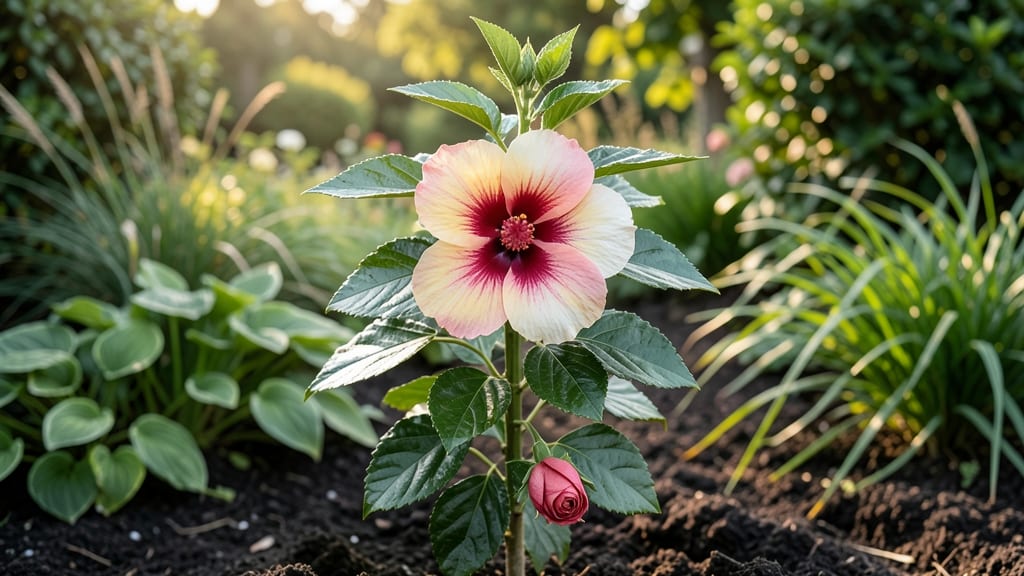
The largest hibiscus flower varieties can grow blooms wide enough to cast shade—some even rival dinner plates in size!
Imagine hibiscus flowers so massive they resemble dinner plates—some varieties grow flowers wide enough to cast shade or even serve as natural umbrellas for small pets! If you're chasing the ultimate showstopper for your garden, these record-breaking hibiscus species deliver unmatched drama and tropical allure.
Growing these giants isn’t just about luck—it’s about the right mix of sunlight, soil, and pruning. In USDA Zone 6a, where spring planting kicks off in April, you’ll need to time everything perfectly to coax those monster blooms.
The secret? A balance of nutrients, water, and patience—because the biggest hibiscus flowers don’t happen overnight.
Ready to transform your garden into a hibiscus paradise? I’ll walk you through the top varieties, step-by-step growing tips, and the common mistakes that keep blooms small. By the end, you’ll know exactly how to nurture hibiscus that turn heads—and maybe even block the sun!
Top 5 largest hibiscus flower varieties and their stunning dimensions
If you dream of hibiscus blooms big enough to double as patio umbrellas, you're in the right place. Some varieties push flower diameters to 12+ inches, rivaling dinner plates in size.
These giants aren't just showstoppers—they transform gardens into tropical sanctuaries with their velvety petals and bold colors. Whether you're a seasoned gardener or a curious beginner, these five record-breaking hibiscus varieties will redefine your expectations of what's possible in your landscape.
The secret to their monster-sized blooms lies in their native habitats—from swampy Southern wetlands to Mediterranean hillsides. Each variety thrives under specific conditions, but all demand full sun, rich soil, and consistent moisture to reach their full potential.
Let's dive into the top 5 largest hibiscus flowers and how they stack up against everyday objects for perspective.
🔍 Visual Comparison: Imagine a 10-inch flower that could easily shade a small dog's head or a 12-inch bloom that would dwarf a standard frisbee. These aren't exaggerations—they're the reality of growing these tropical giants. Below, we'll compare each variety's flower diameter, petal count, and native range to help you choose the perfect statement-maker for your garden.
At the top of our list is the Hibiscus rosa-sinensis 'Giant Red', a tropical powerhouse with flowers reaching 12 inches across. These deep crimson blooms aren't just large—they're velvety to the touch and packed with 8–12 petals that create a ruffled, dinner-plate effect.
Native to China and Southeast Asia, this variety thrives in USDA zones 9–11 but can be grown in containers and brought indoors during winter in colder climates.
The Hibiscus moscheutos 'Southern Belle' brings a romantic, swampy charm to gardens with its 8–10-inch blooms and soft pink petals. This native American species loves wet feet and is perfect for pond edges or rain gardens.
Its ruffled edges and 5–7 petals create a lacy, feminine look that's impossible to ignore. For gardeners in zones 5–9, this is the ultimate low-maintenance giant.
If you're craving something uniquely blue, the Hibiscus syriacus 'Blue Chiffon' delivers with 6–8-inch lavender-blue blooms that resemble delicate lace. This hardy variety hails from the Mediterranean and thrives in zones 5–9, making it ideal
How to grow monster-sized hibiscus flowers: pro tips for maximizing blooms
To grow hibiscus flowers that rival dinner plates, you need to focus on three critical factors: soil conditions, pruning techniques, and seasonal adjustments. I’ve learned that even the hardiest hibiscus varieties like Hibiscus moscheutos 'Southern Belle' need precise care to reach their full potential.
The first step? Start with the right soil pH—aim for a range of 6.0 to 6.5, which mimics their natural tropical habitats and unlocks nutrient absorption for larger blooms.
Most gardeners overlook the importance of organic matter in the soil. Amend your garden beds with compost or aged manure before planting to provide a nutrient-rich foundation. I’ve seen hibiscus plants double in bloom size within a single season after adding a 2-inch layer of compost.
Pair this with a balanced fertilizer (like 10-10-10) applied every 4-6 weeks during the growing season to fuel those monster blooms.
🌺 Key Takeaway: Top 3 Non-Negotiables for Giant Hibiscus
Pruning is where many gardeners go wrong. Instead of shearing hibiscus like shrubs, use selective pruning to shape the plant and encourage new growth. In early spring, cut back one-third of the previous year’s growth to stimulate bushier stems, which produce more—and larger—flowers.
Avoid heavy pruning in late summer, as this can stunt fall blooms. I’ve found that deadheading spent flowers also extends the blooming season by redirecting energy to new buds.
Seasonal care is the final piece of the puzzle. In USDA Zone 6a, where winters can be harsh, mulching is essential. Apply 4–6 inches of straw or shredded leaves around the base of your hibiscus in late fall to insulate roots.
This practice has helped my plants survive winters and rebound with larger blooms the following summer. During the growing season, deep watering (1–1.5 gallons per plant) every 3–5 days ensures roots grow deep, supporting those heavy, oversized flowers.
Light is another often-overlooked factor. Hibiscus crave full sun—at least 6+ hours daily—to produce their largest blooms. If you’re growing hibiscus in containers, place them in a south-facing spot where they’ll receive unfiltered sunlight.
I’ve noticed that even slight shade reduction can shrink flower size by 30% or more. Pair this with morning watering to prevent fungal issues, and you’ll set your hibiscus up for success.
With these strategies, you’ll be well on your way to growing hibiscus flowers that steal the show. Remember, patience is key—it can take 2–3 years for mature plants to reach their full bloom potential.
But trust me, the wait is worth it when you see those plate-sized hibiscus lighting up your garden! 🌿