
Flowers
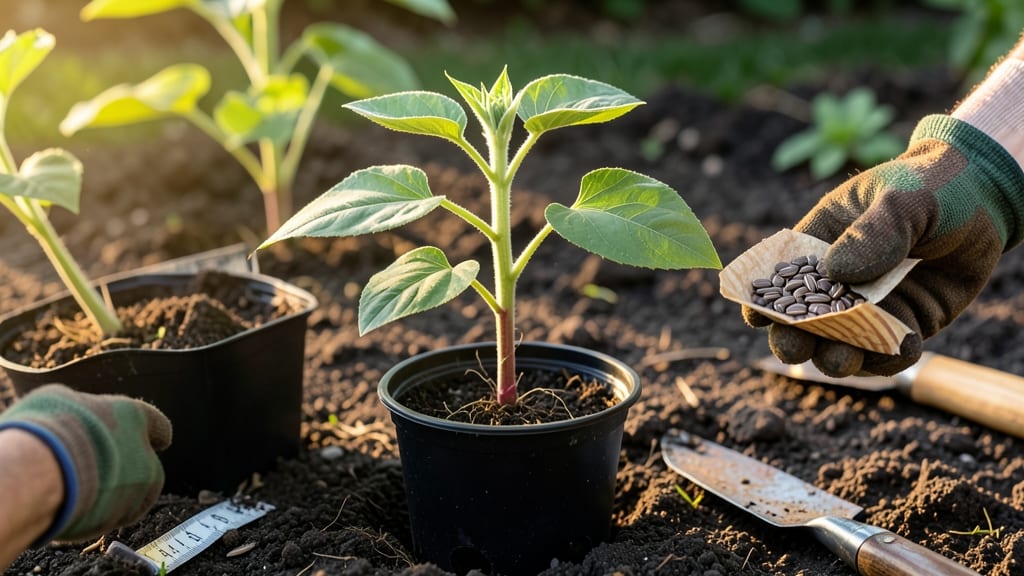
To plant sunflowers in Southern California, aim for September through April—coastal areas like Santa Barbara can start earlier, while inland deserts like Palm Springs need a later push to avoid summer heat.
Sunflowers thrive under Southern California’s golden sun—but planting them at the wrong time can mean wilted dreams instead of towering blooms. Coastal Santa Barbara and inland Palm Springs have wildly different planting windows, yet most gardeners get it wrong.
Why does timing matter so much? Sunflowers bolt (shoot up too fast) when soil temperatures stay above 85°F, and coastal fog can delay germination. Inland deserts, meanwhile, risk heat stress if planted too early, while coastal gardeners must watch for rare winter frosts.
Below, I break down the exact planting windows for your microclimate, the best sunflower varieties for each zone, and how to adjust for fog, heat, and soil prep—so you end up with healthy, blooming 🌻 instead of sad, stunted stalks.
Best sunflower planting times by Southern California heat zones
Southern California’s diverse microclimates create a perfect stage for sunflowers—but only if you plant them at the right time. Coastal areas like Santa Barbara (Zone 10) enjoy milder winters, while inland deserts like Palm Springs (Zone 9) face intense heat. Giant varieties like 'Russian Giant' need cooler starts, while dwarf types like 'Teddy Bear' tolerate heat better.
Timing isn’t just about months; it’s about soil temperatures and heat tolerance thresholds.
Most gardeners make one of two mistakes: planting too early when soil is still warm, causing premature bolting, or waiting too late and missing the ideal 60-day growth window before summer heat. Coastal gardeners should start in October, while inland growers can begin as early as September.
The key is soil temperatures below 85°F—any hotter, and your seeds will bolt before flowering.
| Zone & Location | Best Planting Window | Soil Temp Threshold | Germination Time | Heat Tolerance |
|---|---|---|---|---|
| Zone 10 (Coastal: Santa Barbara, San Diego) | October 15 - November 15 | Below 80°F | 7-14 days | Moderate (fog protection) |
| Zone 9 (Inland Desert: Palm Springs, Riverside) | September 1 - October 15 | Below 85°F | 5-10 days | High (succession planting) |
| Transitional (Los Angeles Basin) | September 20 - November 1 | Below 82°F | 6-12 days | Moderate-High |
For giant sunflower varieties, aim to plant by mid-October in coastal zones to ensure they reach maturity before summer heat. 'Russian Giant' and 'Mammoth' types need 90-120 days to flower, so late starts risk stunted growth. Dwarf varieties like 'Autumn Beauty' are more flexible—plant them from September through November in inland areas for continuous blooms.
Inland desert zones (Zone 9) can handle earlier planting due to their longer frost-free periods. September starts give sunflowers a head start before November rains, which can cause fungal issues. Succession planting every 2 weeks ensures blooms from February through May.
Use mulch to retain moisture and protect roots from extreme temperature swings.
Coastal gardeners should avoid planting before mid-October—warmer coastal soils can still trigger bolting. Foggy mornings in Santa Barbara create ideal humidity for germination, but direct sun exposure is critical during the day. Shade cloth (30%) can help young seedlings if you plant in late November, but remove it once true leaves appear.
Heat stress becomes a major issue after March in inland zones. Symptoms include yellowing leaves, wilting despite watering, and stunted growth. Drip irrigation at soil level prevents leaf burn, and morning watering reduces evaporation. Mulching with straw keeps roots cool—critical for tall varieties that can’t handle afternoon heat.
If you miss the ideal window, don’t despair—April planting is still viable for dwarf and semi-dwarf varieties. 'ProCut' and 'Sunspot' tolerate heat better and can produce smaller but reliable blooms by summer. Provide afternoon shade with a breathable shade cloth to extend their growing season.
For container growing, coastal gardeners can start seeds indoors in September and transplant after October 15. Inland growers should direct-sow in September and use 5-gallon pots for mobility—move containers to shadier spots during peak heat (June-August). Terracotta pots dry faster, so monitor soil moisture daily.
Remember: Sunflowers are drought-tolerant once established, but young plants need consistent moisture. Deep watering 2-3 times per week for the first month ensures strong root development. Let the top inch of soil dry between waterings to prevent root rot—especially in coastal areas with heavier soils.
By aligning your planting schedule with soil temperatures and microclimate conditions, you’ll avoid the most common pitfalls and enjoy towering sunflow
How to adjust planting for coastal fog vs inland heat stress
Coastal gardeners in Santa Barbara face a different challenge than those in Palm Springs—morning fog delays warming, while inland areas hit 100°F+ by May. Your sunflower’s success hinges on understanding these extremes.
In coastal zones, delay planting until March to avoid chilly, damp soil that slows germination. Meanwhile, inland gardeners should start seeds indoors in February to beat the heat.
Sunflowers thrive in full sun, but coastal areas often get shade from afternoon fog. If your garden has morning sun only, choose dwarf varieties like 'Teddy Bear' (3-4 ft tall) that tolerate partial shade better.
Inland growers, however, must protect young plants from heat stress by using shade cloth (30-50%) until they reach 12 inches tall.
⚠️ callout warning
Wilting leaves by midday? Your sunflower is thirsty but can’t drink fast enough. Yellowing lower leaves mean root stress from either overwatering or soil compaction. Brown edges signal salt buildup—flush soil with water if you’re in a desert zone. Act now: Water deeply at dawn, mulch with 2-3 inches of straw, and avoid fertilizing during peak heat (June-August).
Inland gardeners should stagger plantings every 2-3 weeks from February to April for continuous blooms. This succession planting ensures you always have young, heat-sensitive plants transitioning to maturity as older ones handle the summer sun.
Coastal gardeners, however, can plant once in March and enjoy blooms through June, thanks to cooler, foggy summers.
Watering strategies differ drastically: Coastal sunflowers need weekly deep watering (1-2 inches) to combat fog-related fungal risks, while inland varieties thrive on bi-weekly deep soaks once established. Use a moisture meter to check soil—coastal soil should stay slightly damp, while inland soil can dry out between waterings. Drip irrigation is ideal for both, but avoid overhead watering to prevent powdery mildew in humid coastal areas.
Watch for heat stress symptoms like drooping petals or stunted growth—these mean your plant is struggling to photosynthesize. If you see yellowing between leaf veins, it’s a magnesium deficiency from excessive heat.
Boost soil health with Epsom salt (1 tbsp per gallon of water) applied at the base. For coastal gardeners, prune lower leaves to improve airflow and reduce fog-related diseases.
Pro tip: Mulch heavily (4-6 inches) in inland areas to retain moisture and cool roots. Coastal gardeners can use lighter mulch (2 inches) to prevent soil compaction from frequent fog. Both regions benefit from companion planting—try basil or marigolds near sunflowers to repel pests and improve growth.
With these adjustments, your sunflowers will reach their full potential, whether you’re battling coastal chill or inland scorching.