
Plants
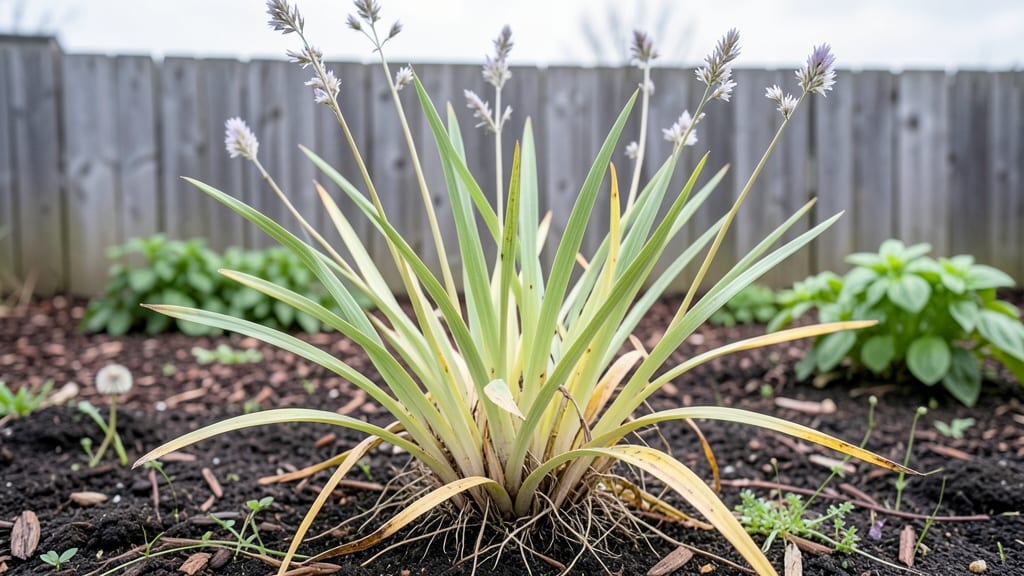
Growing fragrant lemon grass flowers 🌿 turns your garden into a natural mosquito repellent and a showstopper—just plant the right way in spring.
Imagine transforming your garden into a fragrant oasis with lemon grass flowers—nature’s own mosquito repellent and stunning ornamental plant. Growing citronella from seed isn’t just rewarding; it’s a game-changer for both aesthetics and practicality.
Most gardeners assume lemon grass is all about the stalks, but its delicate blooms are the real star—if you know the key to coaxing them out. The secret starts with soil, sunlight, and timing, all of which I’ll break down so your plants thrive from seed to bloom.
Here’s what you’ll learn: how to prep your soil for maximum growth, the easiest way to encourage flowers, and when to harvest for both beauty and pest control—plus the one mistake that kills blooms before they even appear.
Citronella plant guide: key stages from seed to fragrant lemon grass flowers
Growing lemon grass flowers from seed is a rewarding journey that starts with understanding the delicate balance between moisture, warmth, and patience. Unlike its culinary cousin, this ornamental variety produces stunning fragrant blooms that repel pests while adding beauty to your garden.
The key stages—germination, transplanting, and establishment—require precise care to ensure your citronella thrives and blooms.
Citronella plants (Cymbopogon nardus) are tropical grasses that love warmth and humidity. In the right conditions, they can grow 4-6 feet tall and produce delicate white or pale pink flowers that release a citrusy scent.
However, many gardeners struggle with slow germination or weak seedlings. The secret? Mimicking their natural tropical environment from day one.
Soak citronella seeds in warm water for 24 hours before planting. Use a seedling tray with moist, well-draining soil mix (60% peat, 30% perlite, 10% compost). Cover seeds with ¼-inch soil and maintain 80-85°F using a heat mat. Keep soil consistently moist but never soggy.
Germination takes 14-21 days. Once sprouts appear, move trays to a sunny windowsill or under grow lights (12+ hours/day). Thin seedlings to 2 inches apart to prevent overcrowding. Watch for yellowing leaves, a sign of overwatering or poor drainage.
Gradually acclimate seedlings to outdoor conditions over 7-10 days. Start with 2 hours/day in partial shade, increasing exposure. Avoid transplanting until night temps stay above 55°F. Hardened plants will have sturdy stems and deep green leaves.
Choose a sunny, sheltered spot with well-draining soil. Dig holes twice as wide as the root ball and space plants 18-24 inches apart. Water deeply after planting to settle soil. Mulch with 2 inches of straw to retain moisture and suppress weeds.
Maintain consistent moisture (1 inch/week) and monthly feeding with 10-10-10 fertilizer. Flowers typically appear in late summer when plants reach 3 feet tall. Deadhead spent blooms to encourage continuous flowering and prevent self-seeding.
One common pitfall is overwatering during germination, which causes fungal rot. Always use a tray with drainage holes and avoid letting seeds sit in standing water.
Another challenge is transplant shock—citronella plants are sensitive to temperature drops. If your region experiences frost, grow them in containers and move indoors during winter.
For optimal blooming, ensure your plants receive 6+ hours of direct sunlight daily. Partial shade may delay flowering. I’ve found that pruning outer leaves in early spring stimulates new growth and encourages more robust blooms.
This citrus-scented grass isn’t just pretty—it’s functional, too! The flowers release a natural mosquito repellent that works wonders in outdoor seating areas.
Pro tip: If you’re growing citronella in containers, choose pots with drainage holes and use a lightweight potting mix amended with perlite. Container plants may need daily watering in hot climates, as they dry out faster than in-ground varieties.
Monitor soil moisture by sticking your finger 1 inch deep—if it’s dry, it’s time to water.
Remember, patience is key. While some gardeners see flowers in 6 months, others may wait up to a year for the first blooms. The reward? A fragrant, pest-repelling garden feature that’s as practical as it is beautiful.
With these stages mastered, you’ll be well on your way to growing healthy, blooming citronella plants that thrive year after year.
🌿
Best soil mix and sunlight conditions for lemon grass flower growth
To grow thriving lemon grass flowers with vibrant blooms, you need the right soil mix and sunlight conditions. Citronella plants thrive in well-draining, slightly acidic soil with a pH between 5.5 and 6.5.
Amending your garden soil with compost or coconut coir creates an ideal environment for root development and nutrient uptake.
For container gardening, mix equal parts potting soil, perlite, and sand to prevent waterlogging. This blend ensures proper aeration while retaining enough moisture for healthy growth. Avoid heavy clay soils, as they can suffocate roots and lead to root rot.
| Factor | Ideal Specification | Notes |
|---|---|---|
| Soil Type | Well-draining, loamy | Add compost or coconut coir |
| pH Level | 5.5–6.5 | Use sulfur to lower pH if needed |
| Sunlight | Full sun (6+ hours/day) | Partial shade in hot climates |
| Drainage | Excellent | Elevate containers for excess water |
| Microclimate | Warm, humid | Protect from strong winds |
Citronella plants love full sun exposure, requiring at least 6 hours of direct sunlight daily for optimal growth and flowering. Place your plants in a south-facing location or near a large window if growing indoors.
In hot climates, provide afternoon shade to prevent leaf scorch while maintaining morning sun.
If you live in a cooler region, extend the growing season by using black plastic mulch or a cloche to trap heat. This helps citronella plants reach their mature height of 4–6 feet faster and encourages more robust blooming.
Monitor soil temperature—ideal growth occurs when soil stays above 60°F (15°C).
Adjust your watering schedule based on sunlight exposure. Plants in full sun need more frequent watering (every 2–3 days) to prevent wilting, while those in partial shade can go 4–5 days between waterings. Always water at the base of the plant to avoid fungal issues on the leaves.
For maximum blooms, ensure your lemon grass receives consistent care. Combine the right soil mix, sunlight conditions, and microclimate adjustments to create an environment where citronella thrives. With these conditions met, you’ll enjoy fragrant, mosquito-repelling flowers that elevate both your garden’s beauty and functionality.