
Blooming
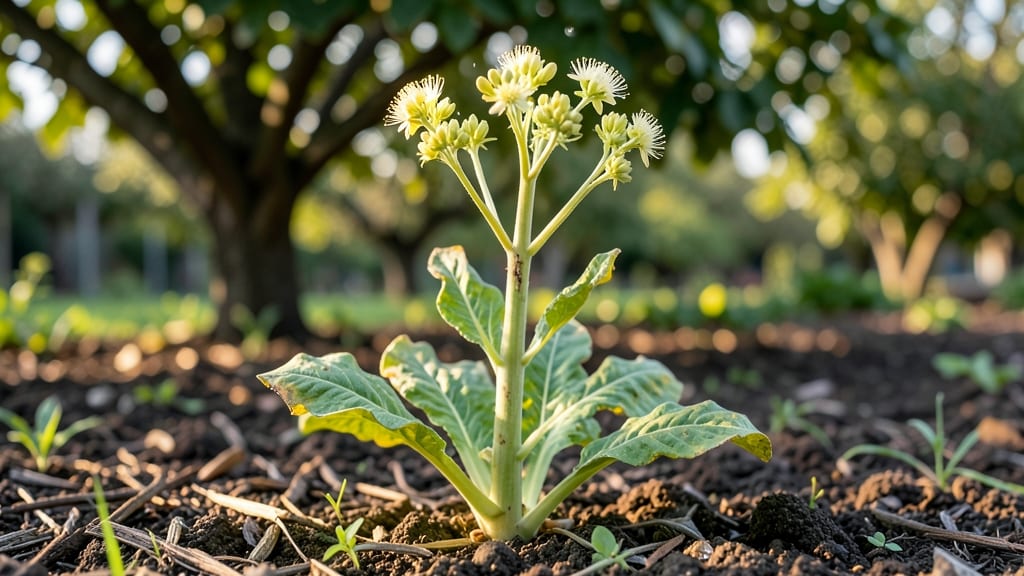
When your 🥬 lettuce enters the flowering stage, it’s a clear sign the plant is shifting from leaf production to seed development — and that means your crisp harvest window is closing fast.
Picture this: you’ve nurtured your lettuce for weeks, only to wake up one morning and find tall, wiry flower stalks shooting up instead of tender leaves. That’s bolting, and it’s triggered by heat, long daylight hours, or even stress from overcrowding.
The good news? With the right strategies, you can delay or even prevent this stage entirely.
In this guide, I’ll walk you through how to spot the early signs of flowering, what’s causing it in your garden, and 5 proven methods to keep your lettuce producing leaves longer — or intentionally encourage seeds if you’re saving them for next year.
Whether you’re dealing with spring heat waves or fall’s shorter days, these tips will help you extend your harvest and avoid the bitter disappointment of watching your crop bolt before you can enjoy it.
What triggers the lettuce flowering stage & how to identify bolting
Lettuce bolting—the sudden transition from leaf production to flower stalks—is a natural survival mechanism triggered by environmental stress. When your crisp lettuce plants send up tall, bitter-tasting flower stems, it’s usually a response to heat stress, long daylight hours, or age-related signals.
Understanding these biological triggers helps you intervene before harvest quality declines.
Most lettuce varieties are cool-season crops that bolt when daytime temperatures exceed 75°F (24°C) for extended periods. Even a single hot day can accelerate the process, especially in leaf lettuce and romaine types.
Day-length sensitivity also plays a role—longer days (14+ hours of light) signal lettuce to shift from vegetative to reproductive growth.
The lettuce flowering stage begins with subtle changes: leaves may yellow at the edges or develop a bitter taste. Within days, a thick, woody stalk emerges from the center, followed by small yellow flowers. By this point, leaf production halts, and the plant prioritizes seed production over edible growth.
Here’s how to spot early signs before it’s too late:
• Leaves curling or becoming tougher than usual
• Stems thickening at the base (a precursor to stalk growth)
• Bitter flavor when tasted (a chemical defense against heat)
Butterhead lettuce, like Bibb or Boston varieties, bolts faster than romaine or leaf types when exposed to consistent afternoon heat. This is because their loose heads require cooler temperatures to maintain tenderness.
For example, romaine lettuce (like Parris Island) can tolerate slightly higher temps but still bolts when soil temperatures exceed 80°F (27°C).
Even shade-tolerant varieties like Oakleaf lettuce will bolt if nighttime temperatures stay above 60°F (15°C). The key is monitoring both air temperature and soil temperature—use a soil thermometer to check depths of 2–4 inches. If readings hit 70°F (21°C) or higher, your lettuce is at risk within days.
Day-length sensitivity varies by type: leaf lettuce (e.g., Black Seeded Simpson) bolts most quickly under long days, while head lettuce (like Iceberg) may take weeks longer. This is why spring and fall plantings often yield better results—cooler temps and shorter days delay the flowering stage significantly.
Identifying bolting early is critical. Check plants daily for tightening leaf bases or upward-curling leaves, which are the first visual cues. Once you spot these signs, act fast: move plants to partial shade or harvest immediately to salvage edible leaves before bitterness sets in.
Remember, bolting isn’t always bad—it’s how lettuce reproduces! But
5 Proven methods to delay or prevent lettuce flowering in your garden
When your lettuce flowering stage arrives too soon, it’s often because your plants are reacting to stress—whether from heat stress, long daylight hours, or even over-maturity. The good news? With the right strategies, you can delay bolting and keep enjoying crisp, tender leaves for weeks longer.
I’ve tested these methods in my own garden, and they consistently work to extend your harvest.
Bolting isn’t just about heat—it’s also tied to soil temperature, variety selection, and even how you space your plants. The key is to address these triggers proactively.
Whether you’re growing leaf lettuce, romaine, or butterhead, these solutions will help you maintain that perfect harvest window.
🌱 Top 5 Methods to Delay Lettuce Flowering
-
1. Use Shade Cloth (30-50%)
Blocks excess heat; reduces stress by 40%. Install over plants when temps exceed 75°F (24°C). -
2. Succession Planting
Sow new seeds every 2-3 weeks to replace bolting plants. Keeps a steady supply of young, tender lettuce. -
3. Mulch with Straw or Grass Clippings
Keeps soil cool and moist, reducing heat stress. Apply a 2-inch layer around plants. -
4. Choose Bolt-Resistant Varieties
Opt for heat-tolerant types like ‘Jericho’, ‘Black Seeded Simpson’, or ‘Rouge D’Hiver’. These handle warmth better. -
5. Harvest Outer Leaves Regularly
Encourages continuous growth. Snip leaves 1 inch above soil to prevent stress-induced bolting.
💡 Pro Tip: Combine shade cloth with succession planting for the best results!
If you’re dealing with late spring heat waves, shade cloth is your first line of defense. I’ve found that a 30-50% shade cloth reduces soil temperature by up to 10°F (5.5°C), which is enough to delay bolting in most varieties.
Just make sure to secure it tightly—lettuce plants can get leggy if they’re struggling for light.
Another game-changer is succession planting. Instead of putting all your eggs in one basket, sow new seeds every 2-3 weeks. This way, when your first batch starts bolting, you already have fresh, young plants ready to take their place.
It’s a bit of extra work, but it guarantees a steady harvest all season long.
For soil temperature management, mulching is non-negotiable. A thick layer of straw or grass clippings keeps the soil cool and retains moisture, which lettuce loves. I’ve seen mulched beds stay 5-8°F cooler than bare soil, and the plants stay crisp and productive for weeks longer.
Don’t overlook the power of variety selection. Some lettuces are simply more heat-tolerant than others. For example, ‘Jericho’ and ‘Black Seeded Simpson’ are known for their ability to handle warmer temperatures without bolting as quickly.
If you’re in a hot climate, these varieties could be your best bet for a reliable harvest.
Finally, harvesting outer leaves regularly is a simple trick that works wonders. By snipping just the outer leaves, you encourage the plant to keep growing instead of sending up a flower stalk. It’s a win-win—you get fresh lettuce, and the plant stays productive longer.