
Blooming
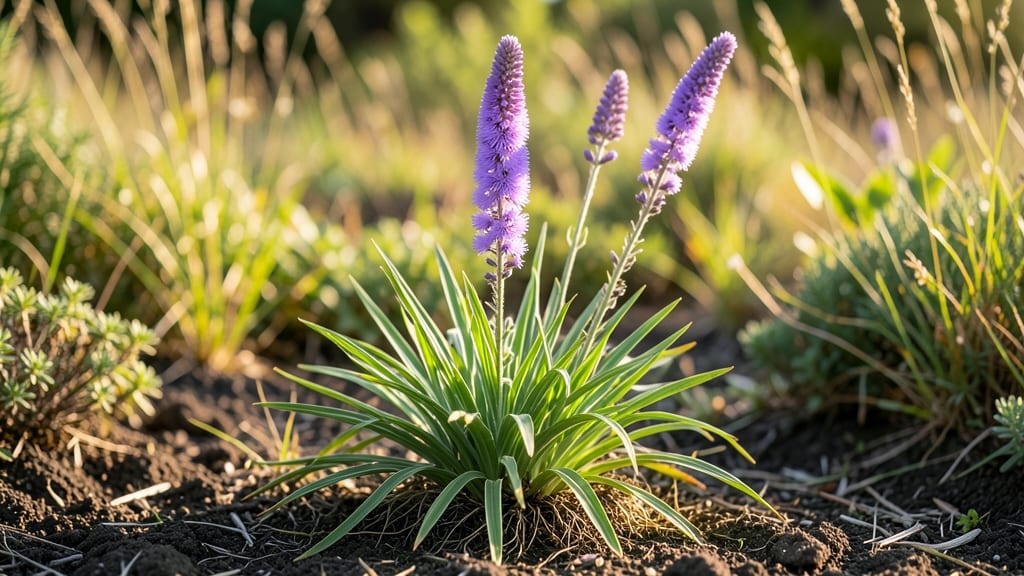
The liatris flowering time is a garden highlight you don’t want to miss—those dramatic purple spikes transform your late-summer landscape into a pollinator magnet.
If you’ve ever wondered why your 🌼 Liatris—also called blazing star or gayfeather—seems to vanish after a single burst of color, you’re not alone. This stunning perennial’s blooming window is short but spectacular, and knowing its exact stages can help you maximize its beauty in your garden.
Most varieties burst into bloom between July and September, with peak color lasting 3 to 4 weeks in USDA Zone 6a. But timing varies by species—some start as early as June, while others linger into October.
Sunlight, soil, and even your region’s climate play a big role in when those spikes appear.
In this guide, I’ll break down the month-by-month blooming stages, share care tips to extend your Liatris’s show, and reveal the secrets to coaxing more flowers from your plants—so you can enjoy their magic for weeks, not just days.
Liatris flowering time by month: when and how long each variety blooms
Liatris, or blazing star, delivers a dramatic summer show with its spiky purple blooms. But timing matters—each variety has its own peak flowering window, often lasting just 3-4 weeks. Knowing these schedules helps you plan for maximum impact in your garden or pollinator-friendly landscapes.
Most liatris varieties bloom between July and September, though exact timing shifts slightly by USDA zone and species. For example, Liatris spicata (the most common type) typically starts in late July and peaks in August, while Liatris pycnostachya often blooms a bit earlier in mid-July.
Understanding these differences ensures you don’t miss the showstopping color.
| Variety | Peak Blooming Month | Duration | Height | Color Notes |
|---|---|---|---|---|
| Liatris spicata | August | 3-4 weeks | 2-4 ft | Deep purple |
| Liatris pycnostachya | Mid-July | 3 weeks | 1.5-3 ft | Lavender-pink |
| Liatris elegans | Late July | 4 weeks | 1-2 ft | Soft violet |
| Liatris spicata 'Kobold' | August | 3 weeks | 1-1.5 ft | Bright purple |
In cooler climates (USDA zones 3-5), liatris may bloom slightly later, often in early August, while warmer zones (6-9) can see blooms as early as late June.
For example, in Zone 7, Liatris spicata might start in mid-July instead of late July. Always check your local frost dates to time planting for the best display.
Each variety also has unique reblooming potential. Liatris elegans, for instance, often produces a second flush of blooms in early September if deadheaded promptly. Meanwhile, Liatris pycnostachya tends to have a single, shorter bloom cycle. This makes timing your deadheading efforts crucial for extending the show.
If you’re planning a pollinator garden, aim to include multiple liatris varieties to stagger blooming times. For example, planting Liatris pycnostachya (mid-July) alongside Liatris spicata (August) ensures continuous nectar for bees and butterflies. Pairing them with coneflowers or black-eyed Susans further extends the seasonal interest.
One common mistake is assuming all liatris bloom at the same time. Liatris spicata 'Alba', for example, has white flowers and often blooms 1-2 weeks later than the purple varieties. This delayed timing can create a soft contrast in mixed borders, adding depth to your late-summer garden.
To maximize blooming, plant liatris in full sun (6+ hours daily) and well-draining soil. Overwatering or rich, fertile soil can actually reduce flowering, as liatris prefers leaner conditions. A light spring feeding with low-nitrogen fertilizer (like 5-10-10) encourages strong flower stalks without excessive foliage.
For gardeners in shorter growing seasons, consider Liatris microcephala, which blooms in late summer (September) and thrives in Zone 4-6. Its compact size (1-1.5 ft) makes it ideal for container gardens or rockeries, where space is limited but late-season color is desired.
Finally, remember that liatris is a perennial, meaning it returns year after year. With proper care, the same flowering schedule will repeat annually, making it a low-maintenance staple for drought-tolerant
How to extend liatris blooming time with proper care
Your liatris’s flowering time doesn’t have to be a fleeting moment—with the right care, you can stretch those purple spikes for weeks instead of days. The key lies in understanding what liatris needs to thrive.
Unlike high-maintenance annuals, these drought-tolerant perennials reward patience with bold, long-lasting blooms when given the right conditions.
Start by focusing on three critical factors: deadheading, soil health, and watering habits. These simple adjustments can transform your liatris from a one-time summer spectacle into a pollinator-friendly showstopper that lasts.
Let’s dive into the specifics so you can enjoy those dramatic blooms for as long as possible.
🌱 Pro Tip: Deadhead liatris weekly during peak bloom by snipping spent flower heads just above the first set of leaves. This redirects energy to new buds, extending flowering by 2-3 weeks. Use sharp bypass pruners to avoid damaging stems.
Next, pay attention to your soil pH. Liatris thrives in slightly acidic to neutral soil (pH 6.0–7.0). Test your soil in early spring—if it’s too alkaline, amend it with peat moss or sulfur to create the ideal environment.
Well-draining soil is equally crucial; liatris hates soggy roots, so avoid heavy clay by mixing in compost or sand.
Watering might seem straightforward, but timing matters. Deep watering once weekly (rather than frequent shallow watering) encourages root growth and bloom production. Water at soil level in the morning to prevent fungal diseases.
Once established, liatris is drought-tolerant, but consistent moisture during bud formation (June–July) ensures vibrant, long-lasting blooms.
Don’t overlook the power of companion planting. Pair liatris with low-growing perennials like salvia or coreopsis to create a pollinator magnet that attracts bees and butterflies. These plants also help suppress weeds, reducing competition for nutrients.
Avoid planting liatris near aggressive spreaders like mint or creeping thyme, which can strangle its roots.
⚠️ Warning: Over-fertilizing is a common mistake that shortens blooming time. Liatris stores nutrients in its thick roots and doesn’t need frequent feeding. A light application of 5-10-10 fertilizer in early spring is enough—any more risks leafy growth at the expense of flowers.
Skip fertilizer entirely in summer and fall to encourage natural dormancy.
With these adjustments, your liatris will reward you with prolonged blooms and a healthier plant for years to come. The secret isn’t complicated—just consistent care and a little attention to detail. Happy gardening! 🌼