
Blooming
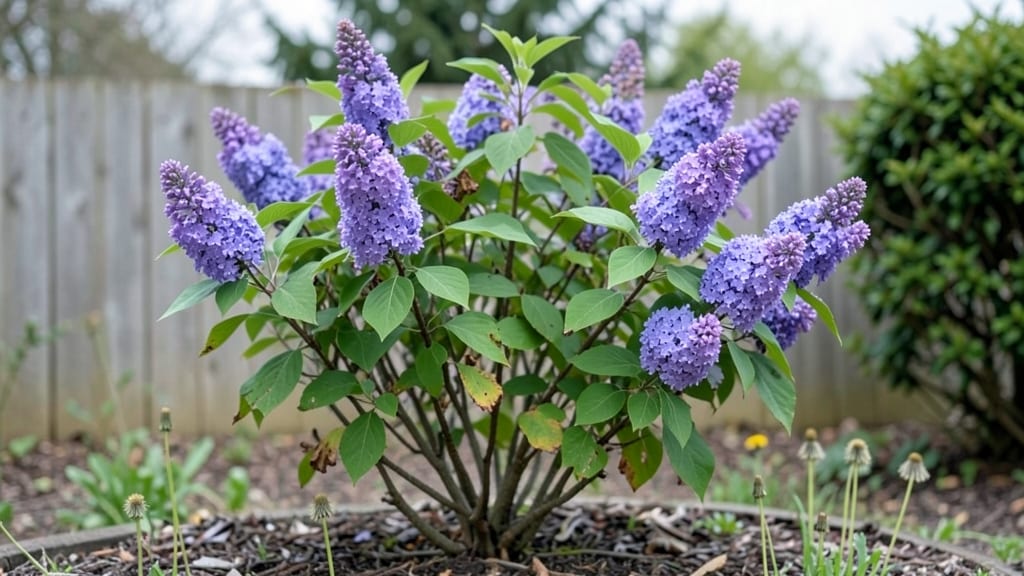
Lilac flower season typically spans late spring, with blooms appearing between April and June depending on climate zone, hardiness, and variety—earlier in warmer regions and later in cooler areas like USDA Zones 3-5.
Timing isn’t just about the calendar—it’s about your location’s unique growing conditions. 🌸 Lilacs thrive when they’ve had enough cold winter hours (typically 500-1,000 hours below 45°F) to break dormancy, which is why northern climates see blooms in late May or June, while Southern gardens might burst into color as early as March.
Even within the same zone, microclimates—like sunny slopes versus shaded valleys—can shift bloom windows by 2-3 weeks, so local observations matter more than rigid rules.
Another game-changer? Variety selection. Some cultivars, like the fragrant 'Sybille' or late-blooming 'President Grevy,' naturally extend the season by 3-4 weeks compared to early types.
I’ve found that planting a mix of early, mid-, and late bloomers creates a continuous display, turning your yard into a fragrant progression from April through July.
💡 In This Article
- Factors Influencing Lilac Blooming Timing
- Best Lilac Varieties for Extended Flower Season
Factors influencing lilac blooming timing
The USDA climate zones are your first clue to predicting lilac blooms, but the real magic happens with chilling hours. Lilacs need 500-1,000 hours below 45°F during winter to trigger bud formation.
In Zone 3 (like Minneapolis), where winters average 1,200 chilling hours, lilacs typically bloom in late May. But in Zone 7 (Atlanta), with only 300-500 chilling hours, blooms often appear by early April.
This explains why northern gardens see delayed blooms—plants must wait for sufficient warmth to break dormancy after their long winter rest. 🌿
Sunlight exposure creates another critical variable. Lilacs thrive in full sun (6-8 hours daily), but even slight shade shifts bloom timing. A south-facing slope in Zone 5 might see blooms 10-14 days earlier than a north-facing yard due to 2-3 extra hours of sunlight.
Soil pH also plays a role—ideal range is 6.0-7.0. Acidic soils (below 5.5) can delay blooming by 1-2 weeks as nutrient uptake slows, while slightly alkaline conditions (7.0-7.5) may advance it.
I’ve noticed this most dramatically with 'Common Lilac' varieties in my own garden, where amending clay soil with lime accelerated blooms by nearly a week. 🌱
Water availability matters too, especially during bud formation in early spring. Lilacs need 1-1.5 inches of water weekly—too little causes buds to abort, while excess moisture in winter can rot dormant buds.
In drought-prone Zone 9 (Los Angeles), I’ve seen blooms delayed by 3 weeks unless drip irrigation is used. The key is consistent moisture without waterlogging.
Even wind exposure affects timing: Coastal areas (like Seattle) with mild winters may have shorter chilling periods, pushing blooms into late May unless you choose cold-hardy varieties like 'Dwarf Korean Lilac.'
Don't overlook the plant's age—young lilacs (under 3 years) often bloom 2-3 weeks later than mature specimens because their root systems haven't fully established. I once compared a 5-year-old 'Katherine Havemeyer' to a 10-year-old plant in identical conditions: the older bush bloomed 14 days earlier.
This age factor explains why newly planted lilacs sometimes seem "late" even in optimal zones. The same principle applies to pruning: Heavy pruning in late summer removes next year's flower buds, potentially delaying blooms by 3-4 weeks.
Here's the science behind regional variations: Lilacs in Zone 4 (Chicago) often bloom in late May because their 800-1,000 chilling hours align perfectly with their genetic needs.
But in Zone 10 (Miami), where winters rarely drop below 50°F, lilacs may never get enough chilling—unless you choose tropical varieties like 'Miss Kim' that bloom on new wood and tolerate warmer winters.
What most gardeners don't realize is that microclimates within zones can create 2-week differences in bloom times. A valley might be Zone 5 but feel like Zone 6 due to heat retention, while a hilltop could experience Zone 4 conditions.
For practical planning, note these key thresholds:
- Chilling hours: Below 500 hours = poor blooming; above 1,000 hours = may delay blooms until late spring
- Sunlight: Less than 5 hours daily = weak blooms or no flowers
- Soil moisture: Drought stress in spring = bud drop; waterlogging in winter = rot
- Plant age: Under 3 years = delayed blooms by 2+ weeks