
Vegetables
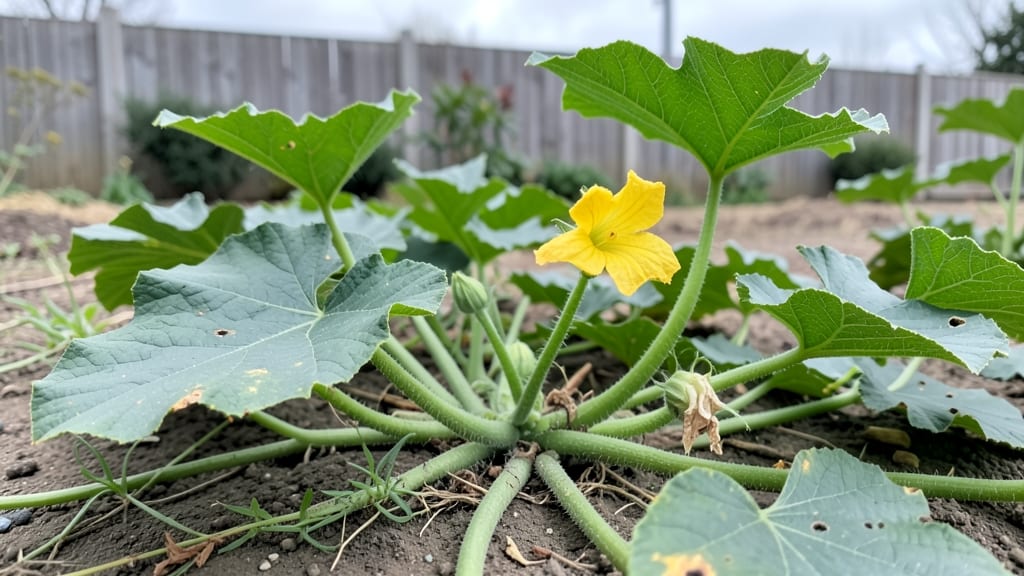
Male squash flowers are edible, delicate, and packed with flavor, best harvested before blooming for peak tenderness. They’re often used in Italian and Mediterranean dishes, like fritters or pasta, and should be picked early in the morning for optimal freshness.
These blossoms aren’t just pretty—they’re a culinary treasure with a subtle, nutty flavor that shines in dishes where you want delicate complexity. 🌿 I’ve found they work best in recipes where their mild bitterness gets softened by rich ingredients, like garlic, Parmesan, or a splash of lemon.
Think beyond fritters: toss them into salads for a peppery crunch or infuse them into oils for a fragrant, aromatic touch that elevates any plate.
Harvesting them at the right stage is key—they’re most tender when the petals are fully unfurled but before the center tightens into a bud.
A sharp knife and a quick rinse under cold water are all you need to prep them, but act fast: once picked, they lose freshness within hours. Store them in a damp paper towel in the fridge, and you’ll have time to transform them into something extraordinary.
💡 In This Article
- How to Identify and Harvest Male Squash Flowers
- Top 5 Recipes Using Male Squash Flowers
How to identify and harvest male squash flowers
The key to identifying male squash flowers lies in their anatomy—specifically, the stem. Male blossoms grow on long, slender stems (about 12-18 inches long) that attach directly to the vine without any swelling at the base.
This distinguishes them from female flowers, which develop a small bulbous fruit (future squash) at the stem's junction. The petals of male flowers are typically 3-4 inches wide, pale yellow, and delicate, with a velvety texture that gives way easily when touched.
Harvest these flowers early in the morning when dew is still present, as this is when their petals are most tender and flavorful. Use a sharp pair of garden shears or clean kitchen scissors to snip the stem about 1 inch below the flower head—this prevents crushing the delicate tissue.
Avoid harvesting when the temperature exceeds 80°F, as heat causes the petals to wilt quickly. 🌞 The ideal time frame is between 6-9 AM, when the flowers are fully open but haven't yet started to close for the day.
To encourage abundant production, focus on garden care that prioritizes pollinators like bees and butterflies, which transfer pollen between male and female flowers. Prune vines to improve airflow and reduce disease, and fertilize with a balanced 10-10-10 formula when flowers first appear.
Male flowers tend to appear 2-3 weeks before female flowers, so start checking vines about 4-5 weeks after planting. Overwatering can lead to blossom-end rot, so maintain soil moisture without saturation.
Once harvested, handle these flowers with care—their petals bruise easily and release bitter compounds when damaged. Rinse under cold water immediately to remove any garden debris, then pat dry with a clean kitchen towel.
Store them in an airtight container lined with damp paper towels, and refrigerate for up to 24 hours. For longer storage, blanch the flowers in boiling water for 10 seconds, then shock in ice water before freezing in a single layer on a tray.
What most gardeners don't realize is that male flowers are more prolific than female ones, often appearing in clusters of 3-5 per vine. This abundance makes them a reliable harvest, especially in early summer when female flowers are still developing.
The slight bitterness in unripe male flowers actually diminishes when cooked properly—this is why they're prized in dishes where their flavor can be mellowed by rich accompaniments like butter, cheese, or garlic.
For maximum yield, train your vines to grow vertically using trellises or cages. This not only makes harvesting easier but also prevents male flowers from touching the ground, where they can absorb moisture and rot.
A single healthy vine can produce hundreds of male flowers over its growing season, providing enough for both fresh use and preservation. 🌱