
Trees
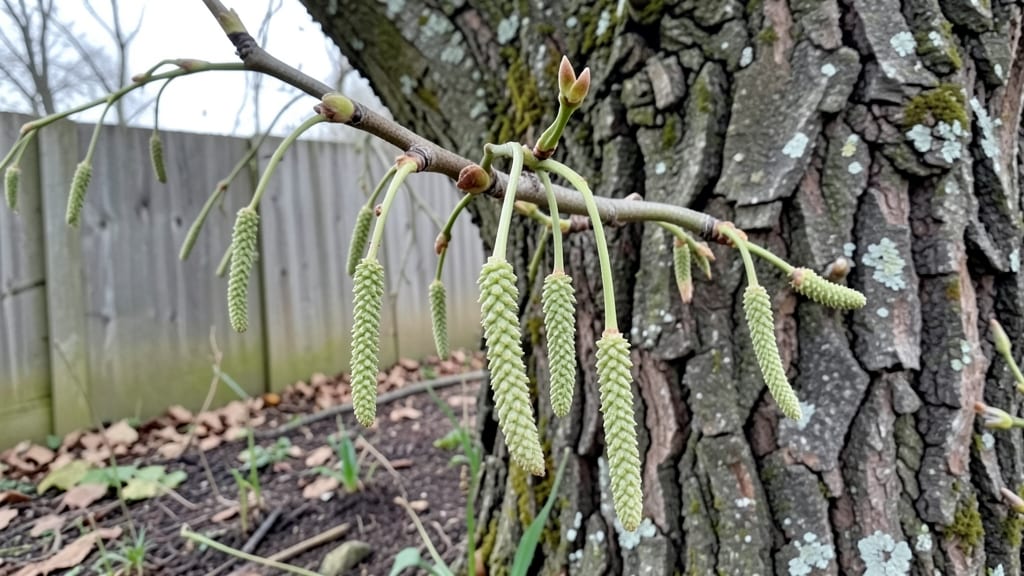
Spotting the oak female flower is your first step to growing a tree that produces acorns—and it starts with knowing what to look for.
Did you know oak trees produce flowers before their iconic acorns? These delicate blooms, often overlooked, are the foundation of a future harvest. In spring, when the tree is just waking up, tiny green catkins appear, signaling the start of the reproductive cycle.
Missing this stage means missing the chance to support a healthy oak 🌳.
But here’s the catch: female flowers are easy to miss if you don’t know where to look. They hang in clusters near the ends of branches, while male flowers dangle like tassels. Understanding the difference isn’t just about botany—it’s about ensuring your oak thrives and eventually rewards you with acorns.
In this guide, I’ll walk you through how to identify these flowers, the best conditions to encourage their growth, and why they matter for your tree’s long-term health. Whether you’re planting a sapling or caring for a mature oak, these tips will help you nurture a tree that flourishes.
How to identify oak female flowers: key features and differences from male flowers
Oak trees produce two distinct types of flowers: male catkins and female flowers, each playing a crucial role in acorn production. While male catkins are more noticeable due to their dangling appearance, female flowers are often overlooked but are essential for pollination and fruit development.
Understanding their differences will help you identify healthy blooms and promote acorn growth.
Female oak flowers appear as small, reddish or greenish buds clustered near the tips of new shoots. Unlike male catkins, they don’t hang but remain upright and compact.
These buds will eventually develop into acorns if successfully pollinated by male flowers. Recognizing them early ensures you can monitor their health and encourage optimal conditions for pollination.
| Feature | Oak Female Flowers | Oak Male Flowers (Catkins) |
|---|---|---|
| Appearance | Small, upright reddish-green buds (0.5–1 inch long) | Long, dangling yellow-brown catkins (2–6 inches long) |
| Location | Near new shoot tips, often in clusters | Hanging from last year’s branches |
| Timing | Emerges in late spring (April–May) | Appears in early spring (March–April) |
| Size | 0.5–1 inch in diameter | 2–6 inches long |
| Function | Develops into acorns after pollination | Produces pollen for fertilization |
| Color | Reddish-green when young, turns green/brown | Yellow-brown, often fuzzy |
| Lifespan | Short-lived (1–2 months) | Lasts 2–4 weeks before shedding pollen |
Female oak flowers are critical for acorn production because they develop into the tree’s fruit after successful pollination by male catkins. If you notice female flowers wilting or falling off prematurely, it may indicate poor pollination, stress, or environmental issues like drought or pests. Paying close attention to their development helps ensure a healthy acorn harvest later in the season.
One of the easiest ways to spot female flowers is to look for small, upright buds near the ends of new growth. Unlike male catkins, which hang freely and sway in the wind, female flowers stay compact and upright.
This difference in structure is key to distinguishing them quickly during early spring inspections.
Timing is another critical factor. Female flowers emerge 1–2 weeks after male catkins, typically in late spring when temperatures stabilize. This delayed blooming ensures that pollen from male flowers is readily available for fertilization.
If you’re planting oak trees for acorn production, ensure you have both male and female trees nearby to maximize pollination success.
Female flowers are often overlooked because they lack the dramatic appearance of male catkins. However, their presence is a sign of a healthy tree and a good indicator of future acorn production.
If you’re managing an oak tree for wildlife or landscaping, monitoring female flowers helps you assess the tree’s reproductive health and plan for seasonal care.
To encourage robust female flower development, focus on soil health, watering, and sunlight exposure. Oak trees thrive in well-draining, slightly acidic soil with full sun exposure.
Poor soil conditions or inadequate sunlight can stress the tree, reducing flower production. Regular mulching and deep watering during dry spells also support optimal blooming.
In some oak species, like white oak or red oak, female flowers may appear in clusters of 2–5 buds. These clusters are more noticeable and often easier to spot during early spring walks.
If you’re unsure whether you’re observing female flowers, check for tiny scales or bracts that protect the developing buds—this is a hallmark of oak female flowers.
Understanding the differences between male and female oak flowers isn’t just academic—it’s practical. If you’re aiming to grow acorns or support local wildlife, recognizing and nurturing female flowers ensures your oak tree fulfills its ecological role.
Whether you’re a gardener, forester, or nature enthusiast, these insights will help you make informed decisions about oak tree care.
Best practices to encourage oak female flower blooming for acorn production
Encouraging oak female flowers to bloom is essential for a productive acorn harvest. These delicate catkins appear in early spring, often overlooked among the more prominent male flowers. The key to their success lies in creating an optimal environment that supports both tree health and reproductive development.
Healthy oak trees naturally produce more female flowers, leading to abundant acorns. Let’s explore the best practices to maximize their blooming potential.
First, focus on soil health and nutrient balance. Oak trees thrive in well-draining, slightly acidic soil with a pH between 5.0 and 7.0. Conduct a soil test to check pH and nutrient levels, especially nitrogen, phosphorus, and potassium.
Amend the soil with compost or organic matter to improve fertility. Avoid over-fertilizing, as excessive nutrients can stress the tree and reduce flower production. Instead, aim for a balanced fertilizer applied in early spring before blooming begins.
Step-by-Step Guide to Encourage Oak Female Flower Blooming
-
Step 1: Optimize Soil Conditions
Test soil pH (5.0-7.0) and amend with compost. Ensure well-draining soil to prevent root stress.
-
Step 2: Water Deeply and Consistently
Provide 10-20 gallons per watering for young trees, focusing on deep root zones in morning hours.
-
Step 3: Prune for Airflow and Light
Remove dead or crowded branches in late winter to improve sunlight exposure and airflow.
-
Step 4: Apply Light Fertilization
Use a 10-10-10 NPK fertilizer in early spring, avoiding summer applications to prevent stress.
-
Step 5: Mulch for Moisture Retention
Apply 2-4 inches of mulch around the base, keeping it 3 inches away from the trunk.
-
Step 6: Monitor for Pests/Diseases
Inspect for oak wilt or borers and treat early with organic sprays or pruning infected branches.
-
Step 7: Protect from Environmental Stress
Shield young trees from extreme heat or drought with shade cloth or additional watering during dry spells.
Pruning plays a critical role in encouraging female flower production. Prune your oak tree in late winter or early spring before new growth begins. Remove any dead, diseased, or crossing branches to improve airflow and sunlight penetration.
Avoid heavy pruning, as it can stress the tree and reduce energy available for flower development. Focus on structural pruning to maintain an open canopy, which allows sunlight to reach the inner branches where female flowers often develop.
Watering is another critical factor. Oak trees have deep root systems, so they require deep, infrequent watering rather than shallow, frequent watering. Water your tree deeply once a week during dry periods, ensuring the water penetrates at least 12 inches into the soil.
Early morning watering is ideal, as it reduces evaporation and fungal risks. Avoid overwatering, which can lead to root rot and stress the tree. Mature oaks are more drought-tolerant, but consistent moisture is key for young trees during their critical growth phases.
Avoid common mistakes that can hinder female flower blooming. Over-fertilizing with nitrogen can lead to excessive foliage growth at the expense of flowers. Similarly, poor pruning practices, such as topping or removing too many branches, can stress the tree.
Additionally, planting oaks in low-lying areas where water pools can lead to root rot, which negatively impacts flower production. Always choose a well-drained site with full sun exposure to maximize blooming potential.
By following these best practices, you’ll create the ideal conditions for your oak tree to produce abundant female flowers and, ultimately, a bountiful acorn crop.
Patience and consistency are key—oak trees can take several years to mature and produce flowers, but your efforts will pay off in the long run. Happy gardening! 🌳💧