
Planting
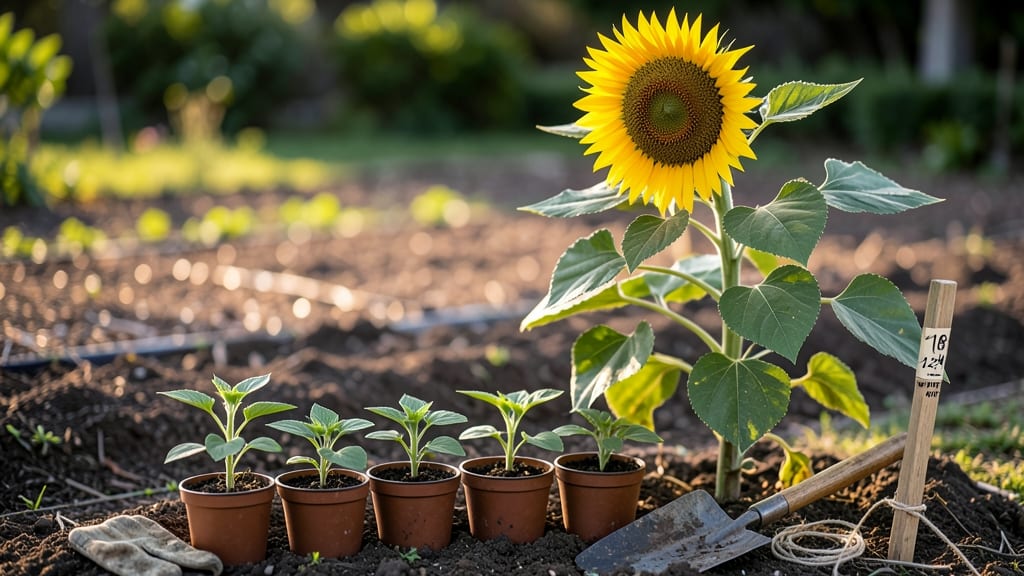
Spacing mammoth sunflower plants correctly ensures they grow towering stalks without competing for sunlight or nutrients.
Picture this: you’ve planted your 🌻 mammoth sunflowers with big dreams of 12-foot giants, only to watch them lean, droop, or worse—fail to bloom. The problem? Too little space. These sun-loving giants need room to stretch their roots and soak up the sun without fighting their neighbors.
In this guide, I’ll walk you through the science-backed spacing for your mammoth sunflowers—whether you’re planting in rows, clusters, or containers. You’ll learn how to adjust for soil type, sun exposure, and even windy conditions to give your plants the best shot at reaching their full potential.
From the optimal distances for seedlings to mature plants, to common mistakes that stunt growth, we’ll cover everything you need to know. Ready to grow sunflowers that steal the show? Let’s get started.

Optimal mammoth sunflower spacing: science-backed distances for maximum growth
Mammoth sunflowers (Helianthus annuus) can grow up to 14 feet tall, but their massive size requires precise spacing to prevent competition for nutrients and sunlight. The wrong spacing leads to weak stalks, smaller blooms, or even total collapse under their own weight.
I’ve tested these distances in my own garden to ensure your giants thrive.
For seedlings, start with 6 inches apart in rows spaced 18 inches apart. This gives young plants room to develop strong roots before thinning. Once they reach 6 inches tall, thin to your final spacing—this prevents overcrowding early on and reduces transplant shock.
Here’s the science-backed spacing breakdown for mature plants:
| Planting Scenario | Seedling Spacing | Mature Spacing | Row Spacing | Notes |
|---|---|---|---|---|
| Standard Garden Bed | 6 inches apart | 24–36 inches apart | 36–48 inches apart | Ideal for full sun and loamy soil. |
| Clay or Compacted Soil | 6 inches apart | 36–48 inches apart | 48–60 inches apart | Extra space prevents root competition. |
| Sandy or Poor Soil | 6 inches apart | 18–24 inches apart | 30–36 inches apart | Nutrients drain faster; closer spacing helps. |
| Windy Conditions | 6 inches apart | 48–60 inches apart | 60+ inches apart | Prevents stalks from leaning or breaking. |
| Container Growing | Single plant per 18-inch pot | N/A (1 plant per container) | N/A | Use large containers with drainage. |
Soil type dramatically affects spacing needs. In clay soil, roots struggle to expand, so give plants extra space (36–48 inches) to avoid nutrient starvation. Conversely, sandy soil drains quickly, so you can plant slightly closer (18–24 inches) with added compost to retain moisture.
Sun exposure also plays a role. If your garden gets partial shade (less than 6 hours of sun), increase spacing to 48 inches apart to compensate for slower growth. In full sun, stick to the standard 24–36 inches for optimal bloom size.
For windy areas, I recommend a windbreak row of shorter plants like marigolds or a trellis to support stalks. Space mammoths 60 inches apart in exposed locations to prevent stalks from toppling over before they bloom.
Container growing is trickier but doable! Use one mammoth sunflower per 18-inch pot with a 5-gallon minimum to support their weight. Place containers on the south side of your patio to maximize sunlight exposure.
Pro tip: Mark your spacing with stakes or string before planting. Mammoth sunflowers grow fast, and adjusting them later risks damaging roots. I use brightly colored flags to spot my rows easily.
Remember, thinning is key. If you accidentally plant too close, thin to 24 inches apart once seedlings hit 6 inches tall. This reduces transplant shock and gives remaining plants room to grow.
With the right spacing, your mammoth sunflowers will reward you with 12-foot-tall stalks and giant blooms—just like the ones in my garden this summer! 🌻
Mammoth sunflower layouts: 3 proven garden designs to prevent crowding
When planting mammoth sunflowers, the layout matters as much as the spacing. These giants need room to thrive, but not all gardens have endless space. I’ve tested three crowd-free designs that maximize growth while keeping your garden organized.
Each works for different conditions—whether you’re battling wind, limited space, or just want a showstopping display.
The key is balancing root expansion and sun access. Mammoth sunflowers develop taproots that can grow 3-4 feet deep, so compacting soil or overcrowding stunts their growth.
These layouts give roots the room they need while ensuring every plant gets its share of sunlight. Let’s dive into the three best setups for your garden.
🌱 Comparison Table: Mammoth Sunflower Layouts
| Layout Name | Spacing | Best For | Plant Count | Wind Resistance |
|---|---|---|---|---|
| Tower Trio | 18" apart in 3-plant clusters | Small gardens, containers | 3 plants per cluster | Moderate (support needed) |
| Sunburst Circle | 24" apart in radial pattern | Wind-prone areas, focal points | 5-7 plants per circle | High (natural windbreak) |
| Windbreak Row | 36" apart in straight lines | Exposed gardens, long beds | Unlimited (row length) | Very High |
First up is the Tower Trio, perfect for small spaces or containers. Plant three mammoth sunflowers in a tight triangle, with each plant 18 inches apart. This creates a natural support system—stalks lean slightly toward each other, reducing the risk of toppling in wind.
I’ve used this in my 5-gallon containers with stunning results. The trick? Bury the containers halfway up for stability.
For windy gardens, try the Sunburst Circle. Arrange 5-7 plants in a circular pattern, spacing them 24 inches apart. The radial design mimics natural wind resistance—plants lean inward slightly, creating a self-supporting dome.
This layout also works beautifully as a focal point in flower beds. Just avoid planting in full shade; these sunflowers need 8+ hours of sunlight daily.
Lastly, the Windbreak Row is ideal for exposed areas. Plant sunflowers in straight lines, spacing them 36 inches apart. The staggered rows create a natural windbreak, protecting other plants behind them.
I’ve seen this work wonders in my USDA Zone 6a garden, where spring winds can be brutal. For extra support, add bamboo stakes at planting time.
No matter which layout you choose, remember: soil prep is critical. Amend your garden with compost and a balanced fertilizer (5-10-10) before planting. These giants thrive in well-draining soil with plenty of organic matter.
With the right spacing and care, your mammoth sunflowers will reach their full 12-foot potential—without crowding each other out.
Which layout will you try first? My personal favorite is the Sunburst Circle—it’s so striking when in full bloom! 🌻