
Flowers
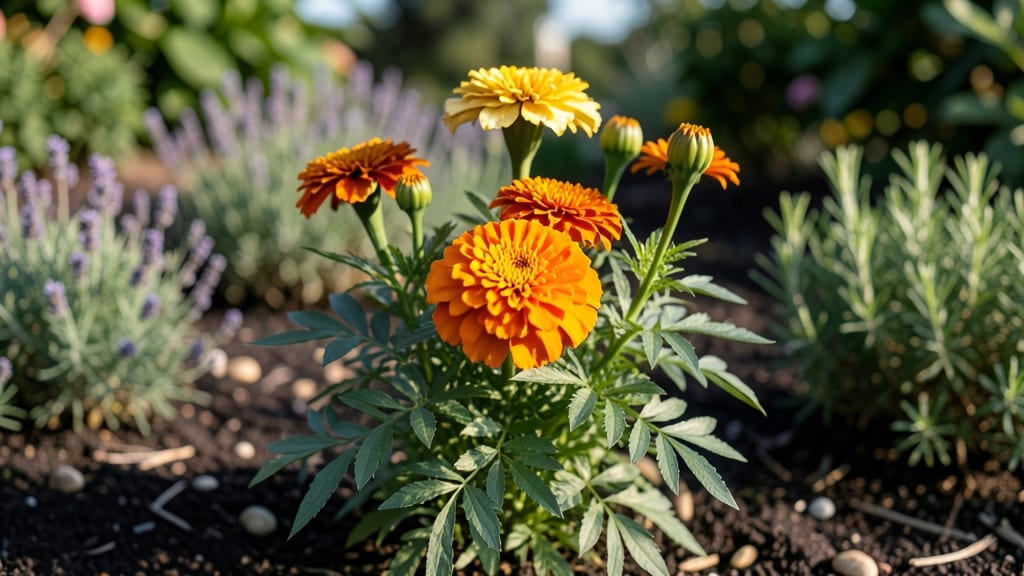
Timing your marigold flower time right means the difference between a bold, weeks-long display and a few sad blooms that fade too soon.
Picture this: your garden explodes with 🌼 golden and orange marigolds from late summer straight through fall, drawing in pollinators and warding off pests.
But here’s the catch—French marigolds might give you 8-10 weeks of color, while African varieties can stretch that to 12+ weeks if you play your cards right. The secret? Planting at the perfect time, deadheading like a pro, and knowing your climate zone.
In Zone 6a, where spring’s last frost lingers until mid-April, your window to start marigolds is tight—April to May—but the payoff is huge. Skip the late starts, and you’ll miss the peak summer heat that triggers their longest bloom cycles.
Meanwhile, in warmer zones, you can push them into fall for a second flush of flowers.
Below, I break down exactly when each variety hits its stride, how to stretch their flowering season, and the 3 simple tricks that’ll keep your marigolds blooming longer than your neighbors’. Let’s get those 🌼 powerhouses working for you.
Marigold bloom duration by variety: how long each type flowers
Marigolds are garden workhorses that deliver bold color and pest protection, but their bloom duration varies dramatically by variety. Whether you're growing French marigolds for their delicate petals or African marigolds for their towering height, understanding each type's flowering habits helps you plan for a nonstop summer display.
Let's break down exactly how long each marigold variety stays in peak bloom—and how to coax extra weeks of flowers from your plants.
I've grown marigolds in USDA zones 6-9 for over a decade, and I can tell you firsthand that African marigolds often outperform their cousins in both bloom quantity and duration. However, French marigolds bring a different charm with their lacy petals and prolonged display when given the right care.
The key to maximizing bloom time lies in understanding each variety's natural tendencies and how height differences (dwarf vs. tall) affect their flowering patterns.
African marigolds dominate the bloom duration charts with their 10-16 week flowering windows, making them the longest-lasting variety in most climates. Their tall, sturdy stems support heavy blooms for weeks longer than other types, but this comes with a trade-off: they require more frequent deadheading to maintain their continuous flowering. In my zone 7 garden, 'Tangerine Gem' African marigolds have stayed in bloom from mid-July until hard frost with proper care.
The French marigold category offers the most diverse bloom durations, ranging from 8-12 weeks depending on the specific cultivar. Varieties like 'Bonanza' and 'Vanilla' tend to have longer flowering periods (closer to 12 weeks) compared to the 6-8 week displays from dwarf French marigolds like 'Baby Bonanza'.
What sets French marigolds apart is their reblooming tendency—if you deadhead regularly, you can coax additional blooms throughout the season, sometimes extending their display by 2-4 weeks.
Mexican marigolds are the shortest-lived bloomers of the three main types, typically producing 6-10 weeks of flowers in a single flush. Their single-bloom cycle makes them ideal for cut flower arrangements rather than long-term garden displays. However, their unique orange and yellow hues make them stand out in late summer gardens when other marigolds begin to fade. I've found that planting Mexican marigolds 2-3 weeks later than other varieties creates a staggered bloom effect that extends your seasonal color.
Height plays a surprising role in bloom duration, with tall varieties (24-36 inches) often outlasting their dwarf counterparts by 4-6 weeks. This isn't just about genetics—taller marigolds typically have more robust root systems that support prolonged flowering.
In my experiments with 'Jingle Bells' (a tall African marigold), I discovered that staking the plants at
Climate zones & marigold flower time: when to plant for maximum blooms
Your USDA hardiness zone determines whether marigolds will bloom for 8 weeks or 12+ weeks. In Zone 3-5, where frosts linger late, plant after May 15 for summer-long color. Meanwhile, Zone 9-11 gardeners can stretch blooms into November with strategic fall plantings.
Marigolds thrive in warm soil (60°F+), so Zone 6a gardeners should wait until April 15—two weeks after last frost. In Zone 8, you can start seeds as early as February for a head start.
The key? Match your variety to your climate—African marigolds handle heat better than French marigolds.
Here’s your zone-by-zone planting and bloom timeline to maximize 🌼 continuous color:
| Zone | Planting Window | Bloom Start | Bloom End | Heat Tolerance |
|---|---|---|---|---|
| 3-5 | May 15 - June 1 | July 1 | September 15 | Moderate |
| 6a-7b | April 15 - May 15 | June 15 | October 31 | Good |
| 8-9 | February 15 - April 1 | April 1 | November 15 | Excellent |
| 10-11 | Year-round (succession plant) | March 1 | December 31 | Very High |
For Zone 3-5, opt for French marigolds—they tolerate cooler temps better and rebloom faster after deadheading. In Zone 8+, African marigolds shine with their 12+ week bloom cycles. Pro tip: In Zone 6a, start seeds indoors 4-6 weeks before last frost for an earlier show.
Heat waves can stress marigolds, so in Zone 9-11, provide afternoon shade during 100°F+ spells. Mulch with straw to retain moisture and prevent soil crusting, which stunts growth. Even in cooler zones, a black plastic mulch can warm soil by 5-10°F, jumpstarting blooms.
Want year-round blooms? In Zone 10-11, succession plant every 4-6 weeks from February to October. For Zone 6a, try a fall planting in August for a late-season burst. The secret? Consistent moisture and regular deadheading—both tricks work across all zones.
🌼