
How To
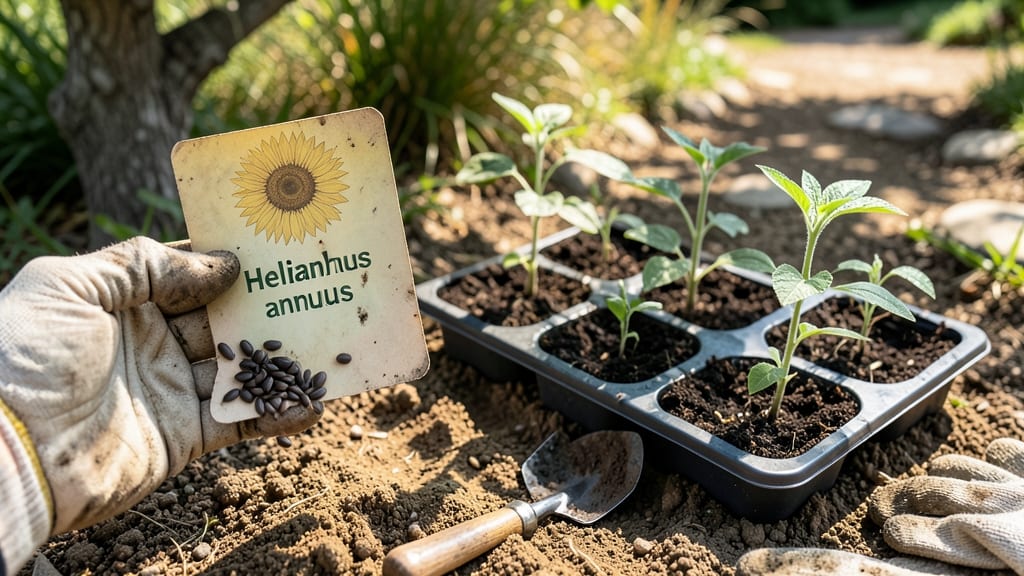
Sow sunflowers after your last frost date in spring — the best time for full-grown stalks depends on where you live, but most gardeners aim for April or May in Zone 6a.
Picture this: you’ve waited all winter for those towering 🌻 blooms, only to watch your seeds sprout too late for summer heat or bolt before they mature. Timing is everything, and getting it right means the difference between a 12-foot giant and a sad, stunted plant.
Whether you’re in a warm southern climate or a cooler northern zone, the key is understanding your frost dates and soil temperature. Direct-sowing outdoors is the easiest method, but if you want a jumpstart, you can begin seeds indoors a few weeks early.
Inside, I’ll break down the exact months for your region, how to adjust for early or late starts, and which sunflower varieties thrive with staggered planting. Ready to grow sunflowers that reach for the sky?
Optimal sunflower planting months by USDA climate Zone
Timing is everything when growing sunflowers, especially since they thrive in warm soil and long daylight. Your USDA climate zone determines the perfect window—plant too early in cold zones, and frost will kill seedlings; sow too late in hot climates, and you’ll miss the full-growth stalks you love.
Let’s break down the ideal months for each zone, including soil temperature tips and regional tweaks.
Most gardeners direct-sow sunflower seeds outdoors after the last frost, but transplanting young starts can work in Zone 4-6. Southern states (Zones 7-11) often enjoy a longer growing season, while Northern gardeners (Zones 3-5) must time sowing carefully to avoid early frosts.
Below, I’ve mapped out the best months for each zone, plus soil temperature requirements to ensure strong germination.
Soil temperature is critical—sunflowers need 50-60°F soil to sprout. Use a soil thermometer to check before planting, especially in Zone 3-5, where cold springs delay warming. In Zone 7-11, you can sow earlier, but watch for bolting (premature flowering) in hot climates like Arizona or Florida.
Here’s a quick reference for direct sowing vs. transplanting by zone, including frost-free windows and regional notes:
| USDA Zone | Best Sowing Months | Soil Temp (°F) | Frost-Free Window | Notes |
|---|---|---|---|---|
| 3-4 (Cold) | Late May–June | 55-60°F | June–September | Use row covers; transplant starts for earlier blooms. |
| 5 (Cool) | April–May | 50-55°F | May–October | Direct sow after last frost; staggered planting extends blooms. |
| 6-7 (Temperate) | March–June | 50-60°F | April–November | Ideal for tall varieties; sow in spring and fall for double harvests. |
| 8-9 (Warm) | February–July | 55-65°F | All year (staggered) | Avoid summer sowing in Zone 9+ to prevent bolting; shade cloth helps. |
| 10-11 (Hot) | January–June | 60-70°F | Year-round |
How to adjust sunflower sowing dates for early or late seasonsIf your growing season feels too short or too long for sunflowers, don’t worry—there are smart ways to adjust your sowing dates and still enjoy those towering blooms. In Zone 4 or high-altitude areas, a late frost can delay planting, while warm climates might cause sunflowers to bolt prematurely. The key is flexibility: use row covers, cold frames, or staggered sowing to extend your harvest window. For gardeners in Zones 7-10, heat can be just as tricky as cold. Sunflowers planted too early may bolt before maturing, sacrificing those edible seeds you’re craving. Instead, opt for shade cloth or choose heat-tolerant varieties like 'Autumn Beauty' to delay flowering until cooler weather arrives. 🌱 Numbered Highlights: Adjusting Sunflower Sowing Dates
In short-season areas, like Zone 4, focus on fast-maturing varieties (under 90 days) such as 'Teddy Bear' or 'Sunspot'. These dwarf types can still reach 3-4 feet tall and produce seeds before frost. Pair them with black plastic mulch to warm the soil faster and push your planting window 1-2 weeks earlier. For late-season adjustments, consider a second planting in early summer (June) for a fall harvest. Use shade cloth to protect seedlings from intense heat, and water deeply at the base of the plant to prevent stress. This method works best in Zones 5-8 where summer days are long but temperatures moderate by late August. If you’re in a tropical or desert climate, avoid planting sunflowers in peak summer heat—they’ll bolt before developing seeds. Instead, aim for early spring or late fall sowings when temperatures are 70-80°F. In these regions, drip irrigation is a game-changer, delivering water directly to roots and reducing evaporation. Remember, sunflowers are forgiving—even if you miss the perfect window, they’ll still grow. But with these adjustments, you’ll maximize your chances of tall, healthy stalks and a bountiful harvest, no matter your climate. Happy planting! 🌻 |