
Plants
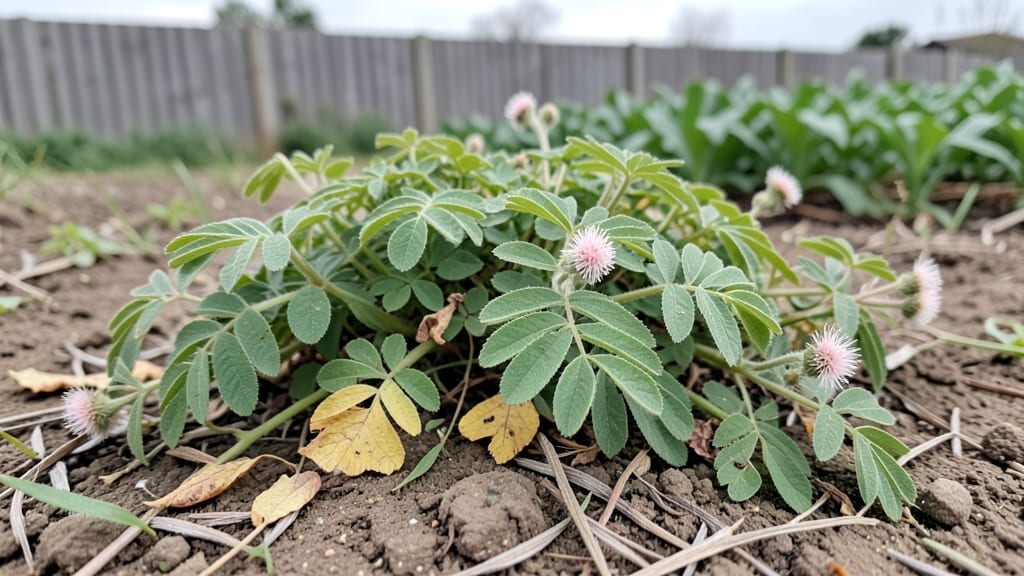
Growing a mimosa plant flower 🌸 that blooms reliably is all about matching its needs to your sunny spot—think bright light, well-draining soil, and a few smart seasonal tweaks.
There’s nothing more magical than a mimosa’s fuzzy pink blooms dancing in the breeze, but most gardeners hit a snag when the flowers fade too soon. The secret?
Mimosa plants thrive in full sun and hate soggy roots, so a little extra care at planting turns a one-season show into a year-round display.
In this guide, I’ll walk you through the exact sunlight, water, and soil conditions your mimosa craves, plus how to prune and fertilize for continuous blooms—even in Zone 6a climates. No more guessing, just lush, flowering shrubs that steal the show.
Ready to turn your garden into a mimosa paradise? Let’s start with the foundation—soil, sunlight, and the one watering mistake that kills blooms faster than anything else.

Mimosa plant flower requirements: sunlight, soil, and water for continuous blooms
The mimosa plant flower thrives in sunny spots but demands precise care to maintain its signature pink puffball blooms year-round. Unlike many plants, mimosas are sensitive to light deprivation and poor soil drainage, which can quickly turn lush foliage into a sad, sparse spectacle.
Mastering these three essentials—sunlight, soil, and water—will transform your garden into a perpetual floral display.
Mimosa plants, particularly the Albizia julibrissin variety, crave full sun exposure (6+ hours daily) to produce their iconic fluffy pink flowers. Even a few hours of shade can lead to leggy growth and fewer blooms.
Pair this with well-draining soil rich in organic matter, and you’ve got the perfect recipe for continuous flowering. Let’s break down the exact conditions your mimosa needs to stay in bloom.
| Requirement | Specification |
|---|---|
| Sunlight | 6+ hours of direct sunlight daily |
| Soil Type | Well-draining, slightly acidic (pH 6.0-7.0) |
| Watering | Deep watering every 3-5 days (adjust for seasons) |
| Fertilizer | Balanced 10-10-10, spring and summer |
| Mature Size | 10-15 feet tall, 10-20 feet wide |
| Flowering Season | Late spring to early fall (with care) |
For continuous blooms, your mimosa needs full sun exposure—think south-facing windows or open garden beds where it can soak up 6+ hours of direct sunlight daily. If your plant starts producing fewer flowers or long, bare stems, it’s likely not getting enough light.
Try relocating it to a sunnier spot or supplement with a grow light during shorter winter days.
When it comes to soil composition, mimosas despise soggy roots. Amend heavy clay soil with compost or sand to improve drainage, and aim for a slightly acidic pH (6.0-7.0).
A quick soil test kit can help you adjust the pH if needed. Well-draining soil prevents root rot, which often shows up as yellowing leaves or stunted growth—both red flags for overwatering or poor drainage.
Watering your mimosa correctly is an art, not a science. These plants are drought-tolerant but prefer consistent moisture. Water deeply every 3-5 days during the growing season, ensuring the top 6 inches of soil are moist but not waterlogged.
In summer heat, you may need to water every 2-3 days, while winter care shifts to bi-weekly watering to prevent root stress.
One of the biggest mistakes gardeners make is overwatering mimosas, especially in containers.
Potted mimosas dry out faster, so check the soil moisture with your finger—if the top inch feels dry, it’s time to water. Yellowing leaves or drooping foliage are classic signs of overwatering, while crispy leaf edges indicate underwatering. Balance is key!
To encourage year-round blooms, feed your mimosa with a balanced fertilizer (10-10-10) in spring and summer. Skip fertilizing in fall and winter to let the plant rest. After flowering, give your mimosa a light pruning to remove dead branches and shape the shrub.
This not only improves airflow but also stimulates new growth and more flowers next season.
If your mimosa’s leaves turn yellow or flowers fail to appear, it’s often a sign of nutrient deficiency or poor drainage. Amend the soil with compost and ensure proper watering.
For pests like aphids, which love mimosa leaves, spray with neem oil or introduce ladybugs for natural control. A healthy mimosa is less prone to pests and diseases.
With the right sunlight, soil, and watering routine, your mimosa will reward you with continuous blooms from late spring to early fall. The secret lies in consistency—don’t let it dry out completely, but avoid soggy soil, and always keep it in the sunniest spot possible.
Your garden will thank you with a romantic, fuzzy pink display that lasts all season.
🌸
Year-round mimosa plant flower care: pruning, fertilizing, and winter protection tips
Keeping your mimosa plant flower blooming year-round takes a strategic approach to seasonal care. The key lies in understanding when to prune for bushier growth, how to feed your plant for vibrant blooms, and how to protect it during winter dormancy.
With these expert tips, you'll transform your garden into a perpetual display of those enchanting pink puffball flowers.
Mimosa plants thrive when you follow a structured pruning schedule and use the right organic fertilizers. Unlike many flowering shrubs, mimosas respond beautifully to light pruning after blooming, which encourages denser foliage and more flowers.
Pair this with seasonal fertilization, and you'll see a noticeable difference in bloom quantity and color intensity.
For organic fertilization, I recommend a mix of compost, fish emulsion, and bone meal. These provide a balanced NPK ratio while improving soil structure. In early spring, work a 1-inch layer of compost into the topsoil around your mimosa.
Then, every 6 weeks during the growing season, apply a liquid fish emulsion at half-strength to avoid burning the roots.
When it comes to winter protection, mimosas are surprisingly hardy but benefit from extra care in Zone 6 and colder. After the first frost, wrap the base of the plant with burlap or frost cloth to shield it from freezing winds.
For young plants or those in exposed locations, mound extra mulch around the base and cover with a lightweight blanket secured with bricks or stakes.
Remember, the health of your mimosa plant flower starts with proper pruning. Always use clean, sharp pruners to make 45-degree cuts just above a leaf node. This encourages bushier growth and prevents disease entry points. Prune immediately after flowering to stimulate new blooms for the next season.
With these seasonal care strategies, your mimosa will reward you with year-round blooms that turn heads and fill your garden with romantic charm. The secret is consistency—prune, fertilize, and protect at the right times, and your mimosa will thrive for years to come.