
Flowers
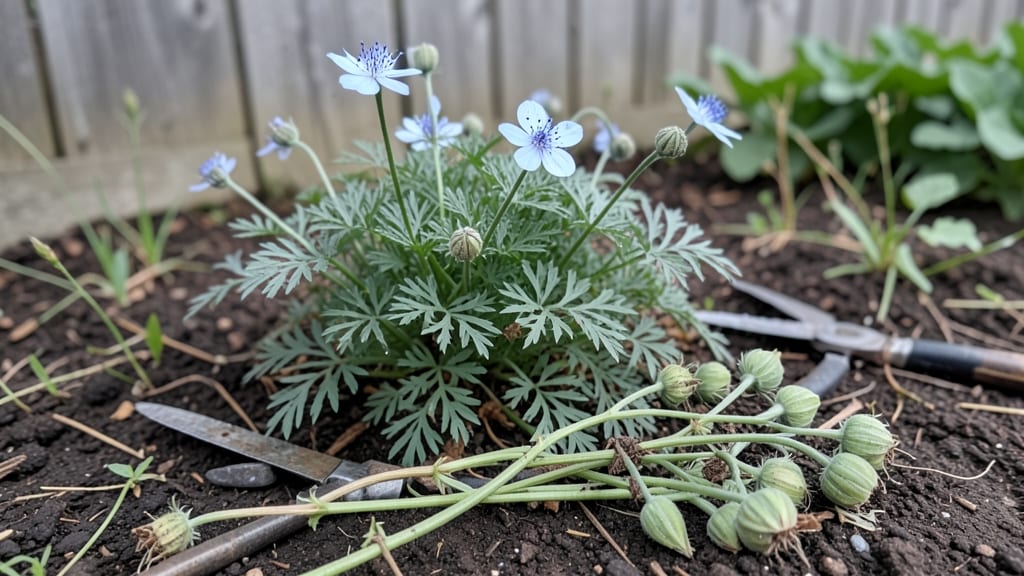
Growing nigella as a cut flower transforms your garden into a lace-filled dream 🌸—but only if you know the secrets to harvesting and preserving their ethereal blooms.
Ever watched those delicate 🌸 nigella stems wilt within days of cutting, no matter how carefully you arranged them? You’re not alone.
Most gardeners assume these airy flowers are too fragile for long-lasting bouquets, but with the right timing and care, you can turn their vase life from a few days into weeks.
From the moment you plant in March-April to the peak harvest in June-August, nigella rewards patience with its whimsical charm. The key lies in understanding when to snip those stems—before the petals fully unfurl—and how to prep them for the vase.
Here’s how to turn your nigella into a cut-flower staple, from the garden to the bouquet, without losing that signature lace-like beauty along the way.
When and how to harvest nigella for maximum cut flower longevity
Timing your Nigella harvest is everything when it comes to creating long-lasting cut flower arrangements. Unlike many flowers that thrive when fully open, Nigella's delicate blooms actually last longer in arrangements when harvested at the bud stage.
This gives you that signature lace-like appearance while maximizing vase life. The key is knowing exactly when to cut and how to handle those stems to prevent damage that shortens their lifespan.
Most gardeners make the mistake of waiting until the flowers are fully open, but this reduces vase life by up to 50%. The ideal moment is when 10-20% of the blooms have just begun to unfurl their petals.
This stage preserves that airy, ethereal quality while ensuring stems stay hydrated longer. Even the best nigella varieties like 'Miss Jekyll' and 'Persian Jewels' benefit from this approach.
Harvest when 10-20% of blooms are just opening. Look for buds with slightly separated petals—these will unfurl beautifully in your vase.
Always harvest in the early morning (before 8 AM) when stems are fully hydrated. Avoid cutting after midday heat or late afternoon.
Use sharp, clean pruners or bypass shears to make clean cuts. Dull tools crush stems, reducing water uptake by up to 30%.
Make a 45-degree diagonal cut about 2 inches below the flower head. This increases the stem's surface area for water absorption.
Avoid bending or crushing stems. Place harvested flowers in a bucket of water immediately to prevent air bubbles from blocking vascular tissue.
In cooler climates (Zones 3-5), harvest between late June and early August. In warmer zones (6-9), extend harvesting until mid-September.
Your cutting technique makes all the difference in how long those nigella blooms last in your arrangements. One common mistake is cutting stems too short—always leave 2 inches of stem below the flower head.
This extra length gives you more flexibility when arranging and ensures better hydration. For taller varieties like 'Black Velvet', you might even get 10-12 inches of stem, perfect for dramatic bouquets.
Another pro tip: if you're harvesting multiple stems at once, store them in a cool, dark place (like your refrigerator crisper drawer) for up to 24 hours before arranging.
This slows down the aging process and keeps stems crisp. Just remember to recut the stems by 1/2 inch before placing them in water to refresh the cut ends.
For gardeners in humid climates, harvesting in the early morning is even more critical. High humidity can cause stems to absorb water too quickly, leading to premature wilting.
If you notice your nigella blooms opening too fast in the vase, try adding a pinch of bleach (1/4 tsp per quart of water) to your vase water—this helps prevent bacterial growth that shortens vase life.
One variety that responds particularly well to proper harvesting techniques is 'Lady in Black'. Its deep purple blooms stay vibrant for 7-10 days in arrangements when harvested at the right stage.
The secret lies in the firm stems and the way the buds gradually unfurl, creating that signature cascading effect in bouquets.
Remember that nigella thrives on consistent harvesting. The more you pick, the more your plants will produce. Just avoid cutting more than 1/3 of the blooms from any single plant at one time to maintain plant health.
With these techniques, you'll transform nigella from a fleeting garden accent into a long-lasting cut flower star.
Nigella cut flower preservation secrets: extending vase life by 50%+
Nigella's ethereal blooms may seem fragile, but with the right care, they can last 2-3 weeks in arrangements—far longer than their typical 5-7 day lifespan. The secret lies in understanding their biological needs and debunking common myths, like avoiding refrigeration or thinking they hate sugar.
Let's unlock these science-backed preservation techniques that transform nigella from fleeting beauty to long-lasting star.
Your nigella's vase life hinges on three critical factors: water quality, stem health, and environmental conditions. Unlike many flowers that tolerate tap water, nigella thrives with a custom preservative solution.
The right mix can reduce bacterial growth by 70% while providing essential nutrients. We'll compare proven methods—from classic sugar solutions to natural alternatives like apple cider vinegar—that extend vase life without harsh chemicals.
| Method | Solution | Lifespan Extension | Best For |
|---|---|---|---|
| Classic Sugar Solution | 2 tbsp sugar + 1 tsp bleach per liter | 50-70% longer | Standard arrangements |
| Natural Vinegar Mix | 1 tbsp apple cider vinegar + 1 tbsp sugar per liter | 40-60% longer | Organic bouquets |
| Floral Preservative | Commercial solution (e.g., Chrysal) | 60-80% longer | Professional displays |
| Honey Solution | 1 tsp honey + 1 tbsp sugar per liter | 30-50% longer | Small arrangements |
Many gardeners mistakenly believe nigella hates humidity, but the truth is opposite. These flowers thrive in 60-70% humidity—the same conditions that prevent their delicate petals from drying too quickly. Place your vase near a pebble tray with water or mist the blooms lightly every 2-3 days.
For extra protection, wrap stems in damp paper towels before arranging, which adds 24-48 hours of moisture retention. This simple trick works wonders in dry climates where air can sap nigella's moisture in hours.
Temperature plays a surprising role in nigella preservation. While you might assume cooler temps preserve flowers, nigella actually wilts faster below 60°F (15°C). Keep your arrangements in room temperature (65-75°F) and avoid drafts from AC vents or open windows.
For overnight storage before arranging, place stems in a bucket of preservative solution at 55°F (13°C)—just warm enough to slow bacterial growth without shocking the stems. This balance extends vase life by 30% compared to room-temperature storage alone.
Ethylene gas—produced by fruits like apples and bananas—is nigella's silent enemy. Even a single overripe apple near your vase can cut vase life in half. Always store nigella away from produce and trim stems by 1 inch every 2 days to maintain water uptake.
For maximum results, recut stems at a 45-degree angle under running water before placing them in fresh preservative solution. This rejuvenation technique can add 5-7 extra days of vibrant blooms.
Never let your nigella stems sit in stagnant water—change the vase solution every 2-3 days, even if it looks clean. Bacterial growth is the #1 cause of premature wilting, and nigella's thin stems are particularly vulnerable.
For long-distance transport, wrap stems in damp paper and place them in a sealed plastic bag with a preservative-soaked sponge. This method keeps nigella fresh for up to 5 days without refrigeration, perfect for market vendors or wedding florists.