
Blooming
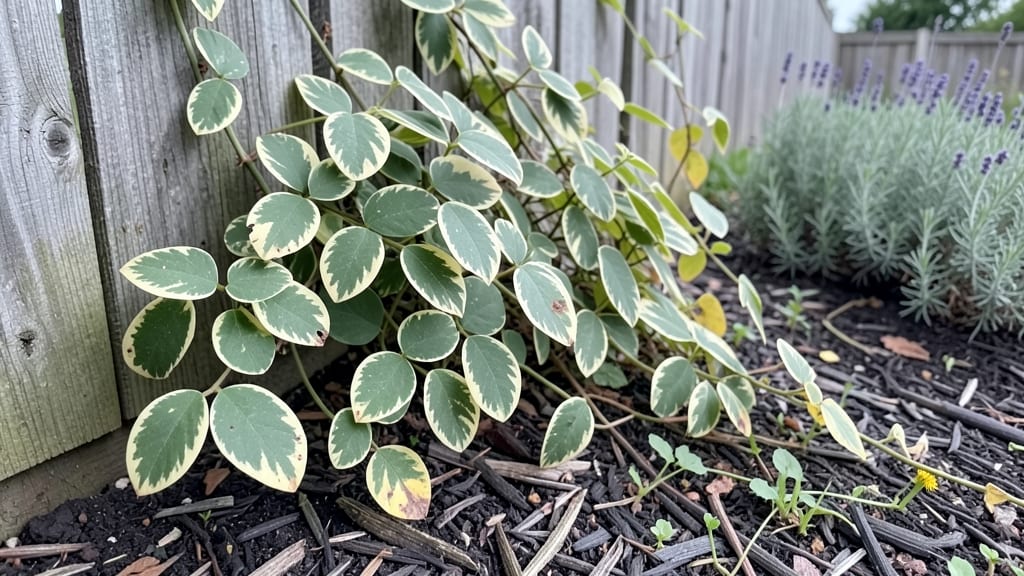
Fast-growing jasmine that never flowers?
I’ve grown this lush, fragrant foliage for years, and it’s the secret weapon for year-round green screens, hedges, and shade gardens. 🌿 Unlike its flowering cousins, this variety focuses all its energy on vibrant leaves—dark green, glossy, and packed with that signature jasmine scent when crushed.
The key to keeping it thriving is simple: bright but indirect light, well-draining soil, and regular pruning to encourage bushier growth. It grows 12-18 inches per year, making it perfect for quick privacy screens or ground cover.
My plants stay dense and fragrant even in partial shade, where flowering jasmine would struggle.
You’ll love how it fills gaps instantly—whether climbing a trellis, spilling over containers, or forming a dense hedge. The foliage stays rich green all winter, and pests rarely bother it. No flowers? No problem. This is all about the lush, aromatic leaves that outperform most ornamentals.
Works as a fast hedge, climbing vine, or sprawling ground cover—no dead seasons, just reliable green. Here’s how to get the same results in your garden.
Hidden Triggers Behind No Blooms
If your jasmine plant is thriving with lush green leaves but stubbornly refuses to bloom, the issue likely stems from one (or more) of these key factors. Understanding the scientific roots of the problem helps you take precise action.
Let’s break down the most common causes—and how to fix them—so you can enjoy that signature jasmine fragrance sooner.
🌡️ Insufficient light exposure
Jasmine plants (Jasminum spp.) are light-dependent bloomers. Without adequate sunlight, they prioritize leaf growth over flower production—a survival tactic rooted in photosynthesis efficiency.
- Why it happens: Jasmine needs 6–8 hours of direct sunlight daily (or bright, indirect light for indoor varieties like Jasminum polyanthum). In low light, the plant shifts energy to chlorophyll production instead of floral buds.
- Scientific angle: Low light reduces photoperiodism—the plant’s internal clock that triggers flowering. Jasmines also rely on blue and red light wavelengths (absent in artificial bulbs) to stimulate florigen, a hormone that kickstarts blooms.
- Actionable fix:
- Move outdoor jasmine to a south- or west-facing spot (or use a grow light 12–14 hours/day for indoor plants).
- Rotate the plant weekly for even light exposure (prevents lopsided growth).
- Watch for yellowing leaves—a sign of light deprivation.
⏰ Wrong seasonal timing or pruning mistakes
Jasmine flowers on new wood (current year’s growth), but if you prune at the wrong time, you’re essentially cutting off future blooms before they form.
- Why it happens:
- Late pruning: Trimming after June or July removes flower buds that haven’t yet developed. Jasmines set buds in early spring.
- Over-pruning: Heavy cuts reduce the plant’s ability to produce auxin (a growth hormone) needed for floral initiation.
- Dormancy disruption: Pruning in winter (when the plant is dormant) can shock it into vegetative growth instead of preparing for spring blooms.
- Scientific angle: Jasmines follow a photoperiodic response—they need short days (10–12 hours of light) in late summer to trigger bud formation. Pruning disrupts this cycle.
- Actionable fix:
- Prune right after flowering (late spring/early summer) to encourage new growth for next year’s blooms.
- Avoid cutting back more than 1/3 of the plant at once.
- Use clean, sharp shears to prevent disease (bacteria/fungi can block nutrient flow to buds).
💧 Overwatering or poor drainage
Too much moisture stresses jasmine roots, forcing the plant to divert energy to survival mode—not blooming.
- Why it happens:
- Root rot: Waterlogged soil cuts off oxygen supply to roots, reducing ethylene production (a hormone that promotes flowering).
- Nutrient leaching: Excess water washes away phosphorus and potassium—critical for flower development.
- Fungal/bacterial infections: Pathogens like Phytophthora clog root cells, blocking cytokinin (a flower-stimulating hormone).
- Scientific angle: Jasmines are drought-tolerant climbers native to Mediterranean and Asian regions. Their roots evolved to store water—not thrive in soggy conditions. Overwatering triggers abscisic acid (ABA), a stress hormone that halts reproductive growth.
- Actionable fix:
- Water only when the top 1–2 inches of soil are dry (stick your finger in to check!).
- Ensure pots have drainage holes and use a well-draining mix (e.g., 60% potting soil, 30% perlite, 10% sand).
- Mulch with gravel or bark to improve aeration and reduce evaporation.
🍽️ Nutrient imbalance (too much nitrogen)
Jasmine plants need balanced nutrients, but an overabundance of nitrogen leads to leafy greenery at the expense of flowers.
- Why it happens:
- Nitrogen overload: Excess N promotes foliage growth but starves floral buds of phosphorus (P) and potassium (K), which are essential for bloom development.
- Slow-release fertilizers: If you’re using high-N formulas (like 10-10-10), the plant may not get the P/K ratio needed for flowers.
- Organic buildup: Over-fertilizing with manure or compost can create a nutrient burn, blocking root function.
- Scientific angle: The ideal NPK ratio for flowering jasmines is 5-10-10 or 7-9-5. Nitrogen (N) fuels leaves, while phosphorus (P) and potassium (K) activate enzymes that trigger bud formation. Too much N suppresses florigen gene expression.
- Actionable fix:
- Switch to a low-nitrogen, high-phosphorus fertilizer (e.g., 5-10-5) in early spring.
- Apply bone meal or fish emulsion (high in P) to encourage blooming.
- Avoid fertilizing in fall/winter—jasmines rest during cooler months.
🌡️ Temperature or humidity stress
Jasmine is a tropical/subtropical plant that thrives in specific climate conditions. Extreme temps or dry air can shut down flowering entirely.
- Why it happens:
- Cold drafts (<40°F/4°C): Jasmines go dormant in winter, but sudden cold snaps can kill buds before they open.
- Low humidity (<40%): Dry air causes transpiration stress, reducing the plant’s ability to transport sugars to
Revive & Encourage Blooms Naturally
If your jasmine plant is sporting lush green leaves but stubbornly refuses to flower, don’t despair—there are practical, science-backed ways to coax those fragrant blossoms back to life.
Below, we’ve mapped out the most common causes of non-flowering jasmine and paired each with a simple, actionable fix. Think of this as your plant’s personal comeback plan!
🌱 Cause 1: Insufficient Light Exposure
Jasmine plants crave sunlight to trigger blooming. Without enough light, they’ll focus all their energy on leaf growth instead of flowers.
🔥 Fix: Optimize Light Conditions
- Move it closer to a bright window—south- or west-facing is ideal. If outdoors, place it in partial shade (morning sun + afternoon shade works best in hot climates).
- Supplement with grow lights if natural light is lacking. Use a full-spectrum LED bulb for 12–14 hours daily, positioned 6–12 inches above the plant.
- Rotate the pot weekly to ensure even light exposure (prevents lopsided growth).
💡 Prevention Tips:
- Avoid deep shade or north-facing windows year-round.
- In winter, extend light exposure with a timer-controlled grow light to mimic longer days.
🌡️ Cause 2: Temperature or Humidity Stress
Jasmine thrives in warmth and humidity. Sudden temperature drops, drafts, or dry air can shock the plant into a "survival mode," halting flower production.
🍳 Fix: Create Ideal Growing Conditions
- Keep temps steady: Aim for 65–80°F (18–27°C) during the day and no lower than 55°F (13°C) at night. Avoid placing near AC vents, heaters, or drafty windows.
- Boost humidity:
- Mist leaves lightly 2–3x weekly (use room-temperature water).
- Place the pot on a tray filled with pebbles and water (ensure the pot isn’t sitting in water).
- Group plants together or use a humidifier nearby.
- Protect from cold snaps: If outdoors, move potted jasmine indoors before temps drop below 50°F (10°C).
🎯 Prevention Tips:
- Use a thermometer to monitor temperature fluctuations.
- In dry climates, consider a greenhouse or shade cloth for outdoor plants.
💧 Cause 3: Overwatering or Poor Drainage
Too much water (or not enough) stresses jasmine roots, diverting energy away from blooming. Root rot or drought can both sabotage flower production.
👨🍳 Fix: Master the Watering Routine
- Check soil moisture: Stick your finger 1–2 inches into the soil. Water only when the top layer feels dry. Overwatering is the #1 killer—jasmine prefers slightly dry soil between waterings.
- Improve drainage:
- Repot in a container with drainage holes if using a cache pot.
- Add perlite or sand to heavy clay soil to aerate it.
- Adjust watering seasons:
- Spring/Fall (blooming season): Water every 5–7 days.
- Summer (heat stress): Water every 3–4 days, early in the morning.
- Winter (dormancy): Reduce to every 10–14 days.
✨ Prevention Tips:
- Use a moisture meter for accuracy.
- Bottom-watering (placing the pot in a tray of water for 10–15 minutes) reduces overwatering risks.
🍽️ Cause 4: Nutrient Imbalance (Too Much Nitrogen)
Jasmine plants need nutrients, but too much nitrogen (common in generic fertilizers) promotes leafy growth at the expense of flowers. It’s like feeding a bodybuilder protein shakes instead of carbs—you’ll get muscle, not energy!
🔪 Fix: Fertilize for Blooms
- Switch to a bloom-boosting fertilizer:
- Use a balanced 10-10-10 or low-nitrogen, high-phosphorus fertilizer (like 5-10-10 or 3-6-6).
- Dilute to half-strength to avoid burning roots.
- Fertilize strategically:
- Spring to early summer: Feed every 4–6 weeks.
- Stop fertilizing in fall/winter—jasmine rests during cooler months.
- Try organic alternatives:
- Compost tea or worm castings (rich in micronutrients).
- Banana peel tea (high in potassium for blooms—steep 3 peels in water for 24 hours, then water the plant).
📊 Prevention Tips:
- Avoid "fast-release" fertilizers—they can cause imbalances.
- Flush the soil every 6 months with water to remove excess salts.
⏰ Cause 5: Lack of Pruning or Overcrowding
Jasmine plants need airflow and light to reach all parts of the plant. Overgrown or root-bound plants focus energy on survival, not blooms.
🥘 Fix: Prune & Refresh
- Prune for shape and airflow:
- Trim back leggy stems by 1/3 in early spring to encourage bushier growth.
- Remove dead or yellowing leaves to redirect energy.
- Cut back spent flowers (deadheading) to encourage new blooms.
- Repot if root-bound:
- Gently remove the plant and check roots. If they’re circling the pot, it’s time to upgrade to a 1–2 inch larger container.
- Refresh the soil with a mix of potting soil and compost.
🌿 Prevention Tips:
- Prune regularly (every 2–3 months) to maintain shape.
- Avoid overpotting—jasmine prefers snug spaces.
🎉 Bonus: Quick Bloom Triggers
Need faster results? Try these instant-gratification hacks:
- Cold shock (for outdoor plants): Move potted jasmine outside in late winter/early spring for a week to simulate seasonal change.
- Epsom salt soak: Mix 1 tbsp Epsom salt in a gallon of water and water the plant once a month to boost magnesium (critical for blooms).
- Pinch new growth: Lightly pinch the tips of new shoots in late spring to encourage branching and flowering.
Frequently asked questions
Why does non-flowering jasmine focus on leaves instead of blooms?
This variety prioritizes foliage growth because it’s bred to deliver dense, aromatic green year-round. Unlike flowering jasmine, it channels energy into lush, glossy leaves—perfect for hedges, ground cover, or climbing screens. The trade-off is no flowers, but the fragrant foliage remains a standout feature.
Can I grow non-flowering jasmine indoors?
Yes! Place it near a bright, east- or south-facing window and supplement with 12 hours of grow light daily. Keep humidity high by misting leaves or using a pebble tray. Rotate the pot weekly to prevent leggy growth. Indoor plants thrive with well-draining soil and moderate watering—let the top inch dry between sessions.
How fast does non-flowering jasmine spread?
This variety grows 12–18 inches per year, making it ideal for quick privacy screens or ground cover. Train it on a trellis for vertical growth, or let it sprawl in containers. Regular pruning keeps it dense and controlled—trim back 1/3 of new growth in early spring to encourage bushiness.
Does non-flowering jasmine attract pests?
Rarely! Its thick, leathery leaves deter most pests, but watch for aphids or spider mites in dry conditions. Treat infestations with neem oil or a strong spray of water. For extra protection, keep the plant well-watered and avoid overcrowding, which reduces airflow and invites issues.
Can I propagate non-flowering jasmine from cuttings?
Take 4-inch stem cuttings in spring or early summer, dip the ends in rooting hormone, and plant in moist perlite or sand. Keep humidity high with a plastic bag and place in bright, indirect light. Roots typically form in 4–6 weeks—water lightly until established.