
Shrubs
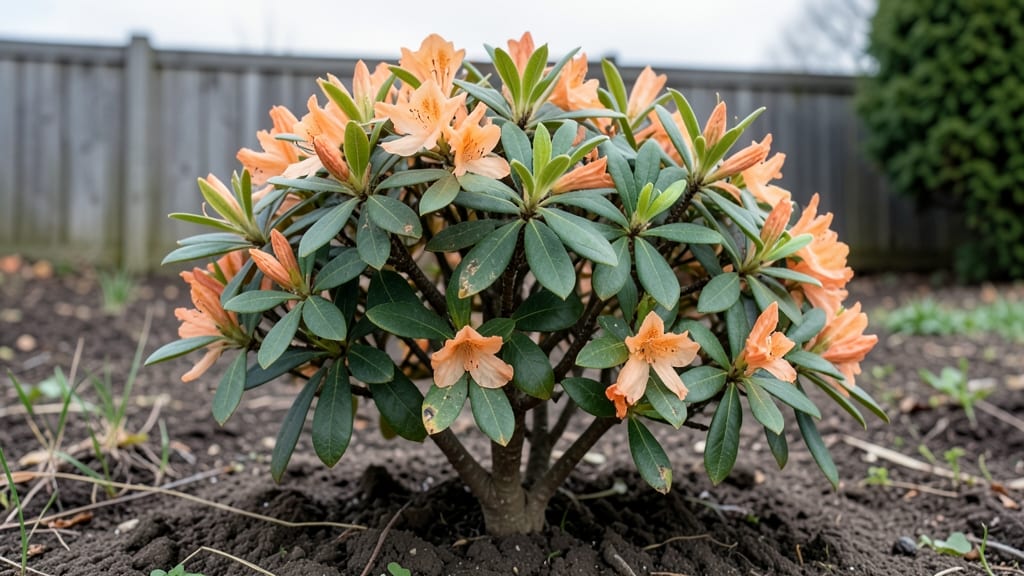
Growing an orange flowered azalea 🌸 means embracing a shrub that turns your garden into a fall masterpiece—but only if you nail the care basics.
Brightening up gardens with their fiery hues, these azaleas are more than just a seasonal spectacle—they’re a year-round commitment that rewards patience with breathtaking blooms. But how do you keep them thriving past their peak season?
The secret lies in soil that stays acidic, watering that never dries out, and pruning that encourages repeat flowering.
If you’re planting in USDA Zone 6a, timing is everything—September through November gives roots the best chance to establish before winter. Skip that window, and you risk stunted growth or weak blooms next spring.
Even the hardiest varieties like 'Fall Harvest' or 'Orange Ice' need the right conditions to shine.
In this guide, I’ll walk you through soil prep, pruning schedules, and the little tweaks that turn good azaleas into show-stopping stars. Let’s get those fiery blooms back year after year.
How to select and plant orange flowered azaleas for optimal growth
Orange flowered azaleas like 'Girard’s Orange' and 'Orange Princess' bring bold color to gardens, but their success starts with the right planting approach. These shrubs thrive when planted in the right season, acidic soil, and optimal sunlight.
Skipping these steps can lead to weak growth or poor blooming, so let’s get the details right from the start.
Before you plant, understand that orange azaleas prefer well-draining, acidic soil with a pH between 4.5 and 5.5. They also need partial shade, which means 3-6 hours of morning sun and afternoon shade to prevent leaf scorch.
Planting in the wrong location can stunt their growth or even kill them.
Timing matters too—fall planting (September-November) gives roots time to establish before winter, while spring planting risks transplant shock as they bloom. Choose a cool, overcast day to reduce stress on the plant. If you’re planting in USDA Zones 6-9, aim for early fall for best results.
Here’s a quick reference for planting your orange azalea varieties:
| Variety | Mature Size | Sunlight Needs | Soil pH | Spacing |
|---|---|---|---|---|
| 'Girard’s Orange' | 4-6 ft tall | Partial shade | 4.5-5.5 | 4-6 ft apart |
| 'Orange Princess' | 3-5 ft tall | Partial shade | 4.5-5.5 | 3-5 ft apart |
| 'Fall Harvest' | 2-3 ft tall | Partial shade | 4.5-5.5 | 2-3 ft apart |
When digging the planting hole, make it twice as wide as the root ball but only as deep. This encourages roots to spread outward rather than sinking deeper, which can rot in heavy soils.
Gently loosen the roots if they’re circled or bound—this helps them establish faster in their new home.
Amend the native soil with peat moss or pine bark to lower the pH and improve drainage. Mix these amendments into the hole and the surrounding soil. Avoid using lime or compost, as they raise pH and harm azaleas.
Once the hole is ready, place the azalea in so the top of the root ball sits 1 inch above soil level—this prevents waterlogging.
After planting, water deeply to settle the soil and remove air pockets. Mulch around the base with 2-3 inches of pine needles or bark to retain moisture and regulate soil temperature.
Keep the mulch 2 inches away from the trunk to avoid rot. Water weekly for the first month to help roots establish, then taper to every 10-14 days once established.
For container-grown azaleas, choose pots with drainage holes and use a well-draining acidic mix. Repot every 2-3 years to refresh the soil, and avoid letting the plant sit in standing water. Containers dry out faster, so check soil moisture every 5-7 days in summer.
Finally, avoid planting azaleas near walnut trees or black locusts, as their roots release chemicals that stunt growth. Instead, pair them with rhododendrons, ferns, or hostas for a cohesive, low-maintenance garden bed.
With the right care, your orange azaleas will reward you with vibrant blooms for years to come. 🌸
Year-round care schedule: pruning, fertilizing, and winter protection
Keeping your orange flowered azaleas vibrant year-round requires a strategic approach to seasonal care. Unlike annuals that fade with the seasons, these shrubs need consistent attention to prune, fertilize, and protect them from winter's harshest elements.
The key is timing—knowing when to act ensures your azaleas stay healthy, bloom prolifically, and resist pests and diseases.
Many gardeners make the mistake of over-pruning or fertilizing at the wrong time, which can stress the plant or even prevent blooming.
I’ve learned the hard way that azaleas are delicate in their timing—too much fertilizer in late summer can stunt next year’s flowers, while pruning after mid-summer removes next season’s buds. Let’s break down the month-by-month care routine to keep your azaleas thriving.
- Early Spring (March): Prune spent blooms and feed with acidic fertilizer (pH 5.0-5.5) to encourage new growth. Avoid heavy pruning—focus on shaping and removing dead wood.
- Late Spring (May): Monitor for lace bugs or powdery mildew. Apply neem oil if pests appear, and mulch with pine bark to retain moisture and acidity.
- Summer (June-August): Water deeply 2-3x per week during droughts. Avoid fertilizing after mid-July to prevent new growth that won’t harden off before winter.
- Fall (September-October): Apply a 3-inch layer of mulch (avoid leaves—they raise pH). Prune only to remove crossing branches or dead wood; never for shaping.
- Winter (November-February): Protect young plants with burlap wraps in zones below USDA 7b. Avoid pruning—wait until late winter (February) to shape.
One of the biggest mistakes I see is pruning azaleas at the wrong time. For example, cutting back orange flowered azaleas like 'Girard’s Orange' after mid-summer removes next year’s flower buds, which form on old wood.
Always prune right after blooming in early spring to avoid this pitfall. Use clean, sharp shears and make cuts just above a bud or branch junction to promote healthy regrowth.
Fertilizing is another critical step often mishandled. Azaleas thrive on acid-loving fertilizers like 10-10-10 or cottonseed meal, but timing matters. I’ve found that applying fertilizer in early spring (March) and again after blooming (July) gives the best results.
Skip fertilizing in fall and winter—your azalea is preparing for dormancy and doesn’t need extra nutrients.
Winter protection is non-negotiable in colder climates. If you’re in USDA zones 6 or below, wrap young azaleas in burlap or use mulch volcanoes (pile mulch around the base, leaving the center open) to insulate roots.
Avoid heavy mulch in spring, as it can suffocate roots as temperatures rise. For established plants, a 3-inch layer of pine straw is ideal—it retains moisture and slowly releases acidity.
Finally, don’t overlook pest control. Lace bugs and spider mites love azaleas, especially in hot, dry summers. I’ve had success with horticultural oil sprays in early summer to prevent infestations.
Always check the undersides of leaves—early detection is key to keeping your azaleas thriving and vibrantly orange year after year. 🌿