
Flowers
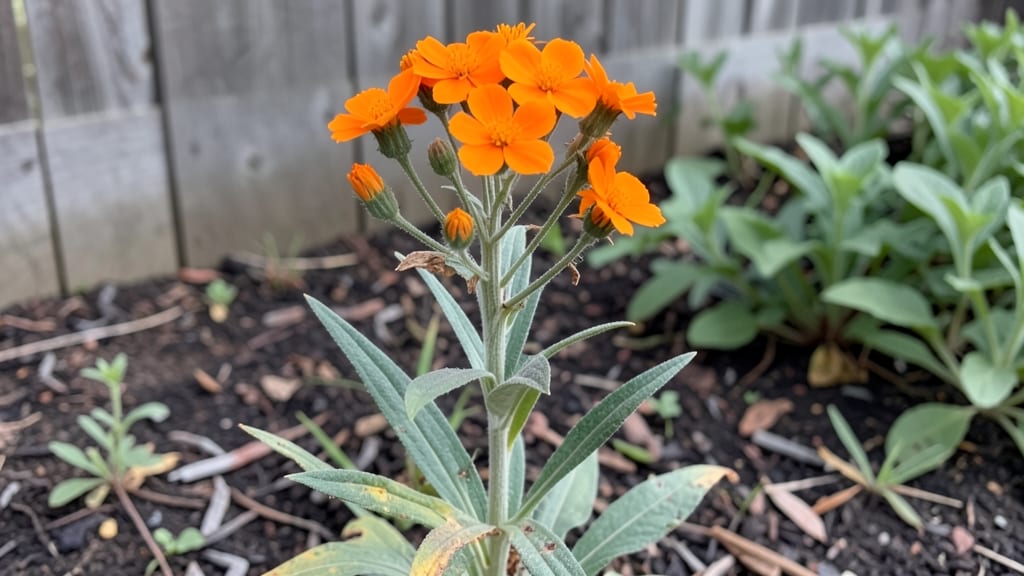
Growing orange flowered milkweed 🌸 is your easiest ticket to a garden that hums with life all season long.
If you want to transform your garden into a buzzing haven for butterflies, bees, and hummingbirds, this hardy perennial is the star plant you’ve been missing—its vibrant blooms thrive in heat, drought, and even winter’s chill.
Perfect for USDA Zone 6a and beyond, orange flowered milkweed needs just full sun and well-draining soil to reward you with three seasons of color. Plant it in April or May, and by summer, your yard will be a pollinator paradise.
Below, I’ll walk you through the simple steps to plant, nurture, and protect this drought-tolerant beauty—plus how to keep pests and diseases from crashing your butterfly party.
Orange flowered milkweed: growing conditions for year-round success
Orange flowered milkweed (Asclepias tuberosa) thrives in harsh conditions most plants avoid—it loves full sun exposure, tolerates dry spells, and even survives winter freezes in many climates.
The secret to its year-round success lies in understanding its ideal growing conditions, from soil prep to seasonal adjustments. Whether you're in USDA Zone 3 or Zone 10, these tips will keep your milkweed blooming from spring through fall.
This drought-resistant native plant isn’t picky about soil, but it does need well-draining mediums to prevent root rot. Sandy or loamy soils work best, while heavy clay should be amended with compost or perlite.
The key is balancing moisture retention with air circulation around roots. In hot climates, mulching with gravel or wood chips helps regulate soil temperature while reducing water loss.
🌱
| Growing Factor | Ideal Conditions | Seasonal Adjustments |
|---|---|---|
| Sunlight | 6+ hours direct sun daily | Spring/Fall: 6-8 hours; Summer: Full sun |
| Soil Type | Well-draining, sandy or loamy | Amend clay with compost; test pH (6.0-7.5) |
| Water Needs | Deep watering weekly (1 inch) | Summer: Every 5-7 days; Winter: Monthly |
| USDA Zones | 3-10 (hardy to -40°F) | Zones 3-5: Mulch heavily; Zones 9-10: Shade cloth in peak heat |
| Fertilizer | Balanced 5-10-10, light feed | Spring: Light feed; Summer: Feed every 6 weeks; Fall/Winter: None |
| Mature Size | 1-4 feet tall, 1-2 feet wide | Prune spent blooms to encourage reblooming |
For spring planting, sow seeds directly after the last frost (typically April-May in most regions). In USDA Zones 3-5, start seeds indoors 6-8 weeks before the last frost date. The plant establishes quickly in warm soil, so avoid transplanting shock by keeping seedlings moist until roots develop.
In southern climates (Zones 8-10), plant in fall to take advantage of cooler temperatures and winter rains.
Watering is where many gardeners go wrong—orange milkweed hates soggy roots but still needs consistent moisture during its first growing season. Use the "finger test": stick your finger 2 inches into the soil.
If it’s dry, water deeply until moisture reaches 6 inches down. In established plants, reduce watering to every 10-14 days unless experiencing extreme heat (then return to weekly deep soaks).
☀️
One of the most misunderstood aspects of growing orange milkweed is its seasonal dormancy. In fall, as temperatures drop below 50°F, the plant enters a semi-dormant state. Stop fertilizing and reduce watering to bi-weekly.
In winter, mulch with 3-4 inches of straw to protect roots from freeze-thaw cycles. Surprisingly, this plant often reblooms in spring from the same root system, making it a low-maintenance perennial.
To maximize year-round blooms, deadhead spent flowers in early summer to redirect energy into new growth. In late summer, leave some seed pods for pollinators, but remove any that show signs of powdery mildew (a common fungal issue).
Prune back brown foliage in early spring to encourage fresh, vibrant growth. This simple maintenance keeps your milkweed looking healthy and productive for decades.
🌻
For container growing, choose pots with drainage holes and use a cactus/succulent mix amended with perlite. In containers, water every 3-5 days in summer and reduce to weekly in winter.
Place pots in full sun and rotate them occasionally for even growth. This method works well for urban gardens
How to attract monarch butterflies with orange milkweed: planting & maintenance tips
Orange flowered milkweed (Asclepias tuberosa) isn’t just a stunning addition to your garden—it’s a lifeline for monarch butterflies. These vibrant orange blooms provide the essential host plant monarch caterpillars need to thrive, while also attracting bees and hummingbirds.
To ensure your milkweed becomes a thriving pollinator magnet, follow these planting and maintenance tips tailored for success.
Start by choosing the right location—orange milkweed demands full sun exposure (at least 6 hours daily) and well-draining soil. Once planted, focus on minimal watering and seasonal fertilizing to keep your plant healthy and blooming.
With the right care, your garden will soon buzz with activity as monarchs lay eggs and pollinators feast on nectar.
- 🌱 Plant seeds ¼ inch deep in well-draining soil after last frost (April–May).
- 💧 Water deeply once weekly—avoid soggy soil to prevent root rot.
- ☀️ Ensure full sun exposure (6+ hours daily) for optimal growth.
- 🌿 Apply balanced fertilizer (5-10-10) every 4–6 weeks during spring/summer.
- ✂️ Prune dead foliage in early spring to encourage new growth.
- 🪴 Mulch around base to retain moisture and suppress weeds.
When planting, scatter seeds in a sunny spot and lightly cover them with soil. Germination takes 10–20 days, so be patient! Once seedlings emerge, thin them to 12–18 inches apart to allow room for growth.
This spacing ensures airflow, reducing the risk of fungal infections like powdery mildew, a common issue with dense plantings.
Fertilizing is key to keeping your milkweed robust. Use a balanced fertilizer (5-10-10) in early spring and again in mid-summer to support flowering. Avoid over-fertilizing—too much nitrogen can lead to leafy growth at the expense of blooms, which monarchs rely on for nectar.
Always water fertilizer into the soil to prevent root burn.
Watch for aphids or fungal infections, which can stress your plants. If you spot aphids, spray with a soapy water solution (1 tsp mild soap per quart of water).
For fungal issues, improve airflow by pruning crowded stems and avoid overhead watering. A healthy milkweed plant will naturally deter many pests and diseases.
With these planting and maintenance tips, your orange milkweed will flourish, creating a vibrant haven for monarchs and other pollinators. Soon, your garden will be alive with the flutter of wings and the hum of busy bees—all thanks to this essential host plant! 🌸