
Flowers
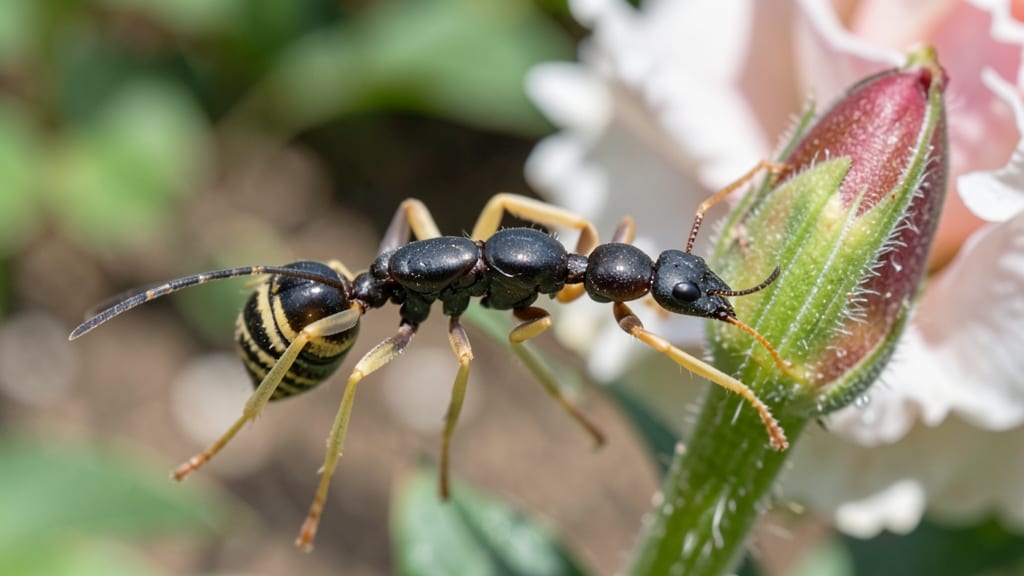
Ants on peony flowers 🌸 aren’t just a nuisance—they’re a warning that your garden’s balance is shifting, and those tiny trails can lead to bigger problems for your blooms.
When you spot tiny ants crawling over your prized peony blooms, it’s not just an annoyance—it’s a sign your garden’s ecosystem is out of balance. These persistent pests can damage buds, attract other insects, and even weaken your plants if left unchecked.
Most gardeners assume ants are harmless, but they’re actually farming aphids on your peonies, creating sticky honeydew that invites mold and pests. The good news? You can kick them out without harsh chemicals.
In this guide, I’ll show you how to identify ant activity, 5 natural ways to remove them, and long-term strategies to keep your peonies thriving—so you can enjoy those stunning blooms without the unwanted guests.
Why peony ants invade flowers and how they damage plants
Ants on your peony flowers might seem harmless at first glance, but they’re actually part of a complex garden ecosystem that can harm your prized blooms.
These tiny insects don’t directly eat peony petals, but their presence signals a bigger problem: aphid infestations and fungal growth that weaken your plants over time.
Peonies produce sweet honeydew when aphids feed on their sap, creating a sticky trap that ants can’t resist. Once they arrive, they "farm" the aphids, protecting them in exchange for this sugary reward. This mutual relationship turns your peony into a pest hotspot, attracting more insects and spreading diseases.
The damage starts subtly with bud destruction. Ants and their aphid "cattle" create wounds that allow sooty mold to grow, covering petals in black, unsightly fungus. Over time, this weakens the plant, reducing bloom size and even causing buds to fail to open entirely.
Watch for these key signs of ant infestation: wilting buds, sticky residue on leaves, and tiny black aphids clustered on stems. If left unchecked, ants can also spread fungal spores like botrytis, which causes brown, mushy spots on peony flowers and leaves.
Direct damage includes chewed stems and buds, while indirect harm comes from the pests they attract. Ants create trails that bring more insects, turning your peony into a magnet for beetles, mites, and even whiteflies—all of which further stress your plants.
Here’s how their damage breaks down in your garden:
| Damage Type | Cause | Signs to Watch | Long-Term Effect |
|---|---|---|---|
| Bud Destruction | Ants chew buds; aphids weaken stems | Wilting buds, chewed edges | Reduced blooms next season |
| Sooty Mold | Aphid honeydew attracts fungus | Black residue on leaves/petals | Blocked sunlight, weakened growth |
| Pest Proliferation | Ants protect aphids, beetles, mites | More insects on stems/leaves | Stressed plant, stunted growth |
| Fungal Spread | Ant trails carry spores | Brown spots on petals | Bud rot, plant death |
The ecological role of ants might seem beneficial—after all, they’re nature’s cleanup crew. But in your peony garden, their farming behavior becomes a parasitic relationship. Ants don’t just tolerate aphids; they actively herd them onto peony stems, creating a self-sustaining cycle of damage.
One of the most visible signs of ant activity is sticky residue on peony leaves and buds. This honeydew isn’t just gross—it’s a breeding ground for sooty mold, a fungus that coats plant surfaces in black, preventing sunlight absorption.
Over time, this weakens your peonies, making them more susceptible to other diseases.
If you’ve noticed wilting buds that refuse to open or black spots on your peony petals, ants are likely the culprit. The longer they farm aphids on your plants, the more your peonies struggle to thrive.
Without intervention, you might see fewer blooms each season and even plant decline over time.
Understanding this cycle is key to protecting your peonies. While ants play a role in healthy ecosystems, their overpopulation on flowers disrupts the balance, turning your garden into a battleground for pests.
The good news? With the right strategies, you can break this cycle and restore your peonies to their full glory.
🌸
5 Natural ways to remove peony ants without harming your garden
Peony ants may seem harmless, but their presence on your flowers 🌸 signals a bigger problem—aphids, fungal growth, and weakened plants. The good news? You can eliminate them naturally without disrupting your garden’s balance. These eco-friendly methods target ants while protecting beneficial insects and soil health.
Ants don’t directly eat peony buds, but they farm aphids on your plants, creating sticky honeydew that attracts mold and other pests. By disrupting their trails and food sources, you’ll restore harmony to your garden without chemicals. Let’s explore five effective, non-toxic solutions.
Sprinkle food-grade diatomaceous earth around peony bases and along ant trails. This microscopic powder dehydrates ants within 48 hours while remaining safe for plants and pollinators.
Mix 1 tbsp neem oil with 1 quart water and a drop of dish soap. Spray directly on ant trails and peony foliage. Neem disrupts ants’ pheromone trails and repels them naturally—reapply every 7-10 days.
Apply Steinernema carpocapsae nematodes to soil around peonies. These microscopic worms target ant larvae in the ground, breaking their life cycle. Water the area thoroughly after application for best results.
Remove and dispose of peony buds showing ant activity or aphid clusters. Ants are drawn to aphid-infested buds, so pruning eliminates their food source. Sterilize pruners with rubbing alcohol to prevent spreading pests.
Encourage ladybugs, ground beetles, and birds by planting native flowers like dill or marigolds nearby. These predators feed on ants and their larvae, restoring natural balance without human intervention.
For best results, combine multiple methods. For example, use diatomaceous earth as a barrier while spraying neem oil on trails and introducing ladybugs. Always apply treatments in the early morning to avoid harming pollinators active during the day.
Monitor your peonies for 2-3 weeks after treatment. If ants persist, increase the frequency of neem oil sprays or apply nematodes again. The key is consistency—ants are resilient, but these natural methods will eventually eliminate their presence from your garden.
Remember, healthy peonies are less attractive to ants. Keep your plants well-watered, fertilized with balanced NPK 5-10-10, and free of aphids to deter future infestations naturally. With patience and these eco-friendly techniques, your peonies will bloom beautifully—ant-free! 🌿