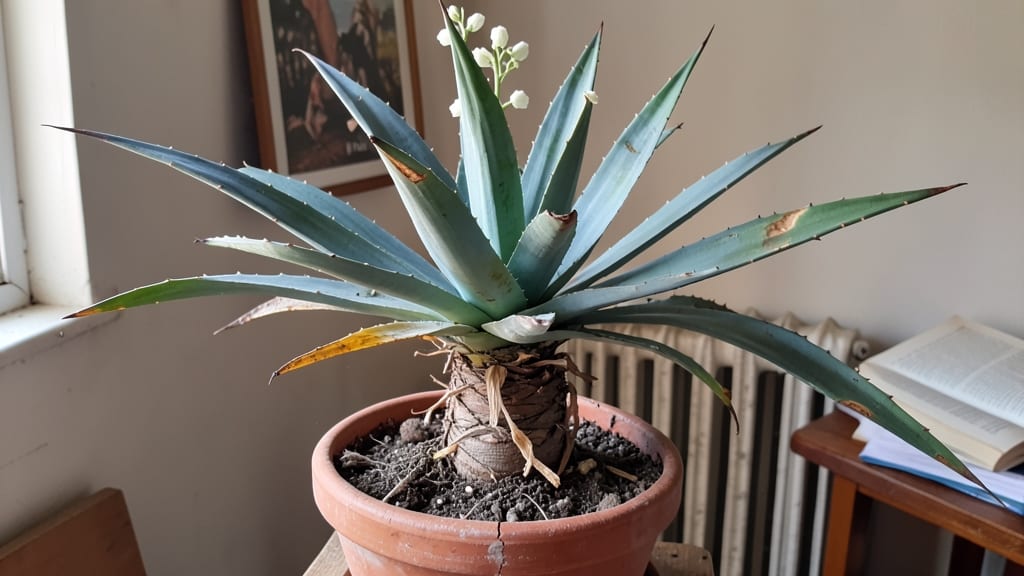
These pictures of flowering yucca plants will inspire you—dramatic spikes of white, cream, or pale yellow blooms transform your garden 🌵, yet their fleeting beauty often goes unnoticed.
Many gardeners miss the show because they don’t know which varieties thrive in their zone or when to expect those towering floral displays. These architectural wonders can be the star of your landscape, but their short bloom windows demand timing and placement.
Picture this: a spring morning when your Yucca filamentosa erupts in creamy blossoms, or the bold Yucca rostrata standing like a desert sentinel with its 10-foot-tall flower stalk.
The right spot—whether as a bold border or a focal point—can turn these succulents into a year-round statement, even when they’re not flowering. With the right knowledge, you’ll never again wonder if your yucca will bloom.
In this guide, we’ll explore the most breathtaking yucca varieties and their peak bloom times, so you can plan your garden to showcase their striking floral displays.
You’ll also learn how to pair them with complementary plants and where to place them for maximum impact—whether you’re working with a sunny desert landscape or a more temperate USDA Zone 6a climate.
Ready to transform your outdoor space? Discover how to spot the perfect yucca, time your plantings for show-stopping blooms, and create a garden that turns heads—before, during, and after the flowers arrive.
15 Stunning flowering yucca varieties with picture identifiers & key features
Yuccas are architectural marvels that reward patient gardeners with dramatic flower spikes—some reaching 6 feet tall—that transform dry landscapes into showstopping displays.
But not all yuccas bloom the same way. Yucca gloriosa produces bell-shaped white flowers on 3-foot stalks, while Yucca filamentosa showcases pendulous cream blooms with thread-like filaments.
Each variety has unique leaf shapes, bloom colors, and hardiness zones, making them perfect for everything from rock gardens to xeric landscapes. Let’s explore 15 breathtaking varieties and their distinctive features so you can pick the perfect one for your climate.
To help you visualize and compare, here’s a quick-reference guide with picture identifiers, bloom heights, and USDA hardiness zones.
Whether you’re drawn to the ruffled petals of Yucca whipplei or the tall, dramatic spikes of Yucca baccata, this guide ensures you’ll recognize their peak bloom times and garden-ready traits.
Pro tip: Most yuccas bloom spring or fall, but Yucca rostrata (Spanish dagger) waits until late summer—so mark your calendars!
🌵
| Variety |
Picture ID |
Bloom Height |
Leaf Traits |
Flower Color |
USDA Zone |
| Yucca filamentosa |
 |
3–5 ft |
Sword-shaped, gray-green, thread-like margins |
Cream-white |
4–9 |
| Yucca gloriosa |
|
3–4 ft |
Rigid, arching, blue-green |
Bell-shaped white |
5–10 |
| Yucca rostrata |
|
6–8 ft |
Sharp, dagger-like, blue-gray |
Pale yellow-green |
5–9 |
| Yucca baccata |
|
8–12 ft |
Stiff, upright, gray-green |
White |
4–9 |
| Yucca whipplei |
|
4–6 ft |
Ruffled, blue-green |
Greenish-white |
5–10 |
| Yucca brevifolia |
|
2–3 ft |
Thick, succulent, blue-gray |
Greenish-white |
7–10 |
| Yucca constricta |
|
2
When do yucca plants bloom? Seasonal timing by region & how to trigger earlier flowers
Yucca plants thrive in dramatic timing, bursting into bloom when conditions align just right. Most varieties follow a spring or fall schedule, but your USDA zone and local climate can shift these windows by weeks—or even months.
In Zone 7-9, expect flowers in March-April or September-October, while colder regions like Zone 5-6 may see delayed blooms until May or late October. Understanding these patterns helps you anticipate—and even influence—the floral spectacle.
Your yucca’s age and health also play a role.
Mature plants (3+ years old) produce the most stunning, towering spikes, while younger specimens may wait 2-3 years before their first bloom. Stress factors like drought or extreme heat can trigger early flowering, but overwatering or poor soil often delay blooms entirely.
The key is balancing natural rhythms with intentional care to coax those showstopping blooms at your preferred time.
🌱
1
Spring Bloomers (March-April)
USDA Zones 7-11: Yucca filamentosa, Yucca gloriosa—peak in warm, dry springs after winter dormancy. Zone 5-6 may delay until late April-May due to frost.
2
Fall Bloomers (September-October)
Zones 8-11: Yucca rostrata, Yucca baccata—bloom as temperatures cool but before first frost. Zone 7 may see extended fall blooms into November.
3
Year-Round Potential (Zones 9-11)
In mild climates, Yucca elephantipes may bloom anytime—but spring pruning (after flowers fade) encourages larger spikes the following year.
4
Trigger Earlier Blooms
Reduce water 6-8 weeks before desired bloom time to mimic drought stress. Prune spent blooms in early spring to redirect energy into new growth.
To extend your yucca’s bloom season, start with light pruning in late winter (February). Remove dead or damaged leaves to reduce stress, then reduce watering by 50% for 8 weeks before your target bloom month. This drought trick mimics natural conditions and often advances flowering by 2-4 weeks.
For container-grown yuccas, move pots to a sunnier spot in late summer to signal the plant that winter is coming—this can prompt fall blooms even in warmer zones.
Light exposure is non-negotiable for yucca blooms. These plants crave full sun (6+ hours daily), but intense afternoon heat in Zones 9-11 can delay flowering. If your yucca sits in scorching afternoon sun, provide light afternoon shade (30-50%) to prevent stress while still ensuring morning sunlight. In containers, use light-colored pots to reflect excess heat and elevate pots to improve airflow—both tricks can boost bloom production by up to 30%.
🌿
For maximum impact, pair your yucca with complementary plants like agave, aloe, or desert marigold. These drought-tolerant companions create a stunning Mediterranean or desert-themed garden while reducing competition for water and nutrients.
If you’re in a cooler climate (Zone 5-6), group yuccas with Russian sage or lavender to protect them from late frosts while enhancing their visual appeal. With the right timing and care, your yucca will reward you with months of dramatic, low-maintenance beauty—no green thumb required!
★★★★★5.0(10 reviews)
|