
Trees
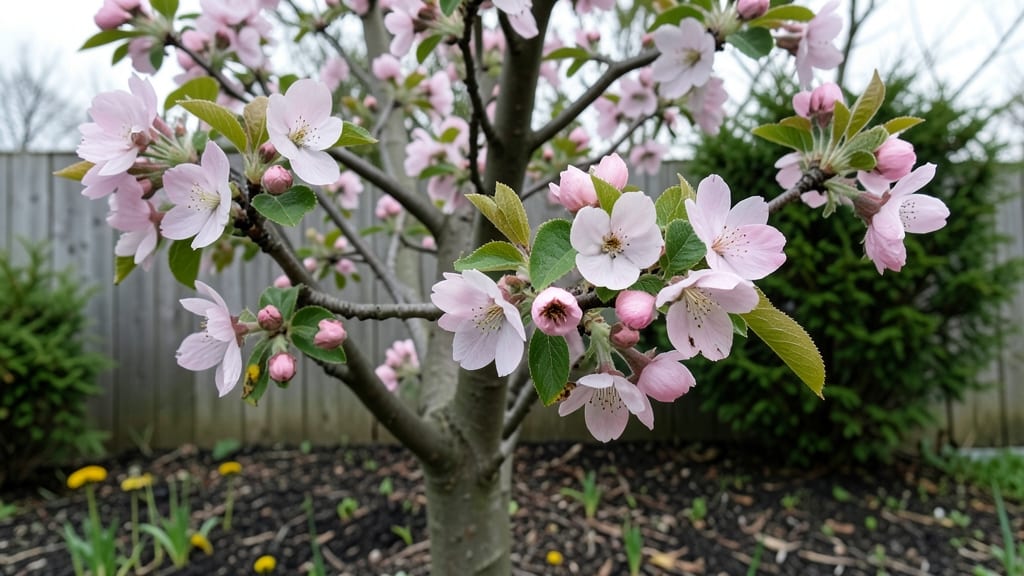
Growing a pink flowering crabapple 🌸 transforms your yard into a seasonal masterpiece with almost no effort.
Imagine a tree that bursts with vibrant pink blossoms in spring, provides lush foliage in summer, and dazzles with fiery fall colors—all while attracting pollinators year-round. The pink flowering crabapple isn’t just a seasonal showstopper; it’s a low-maintenance, versatile tree that elevates any landscape with minimal effort.
Whether you’re a beginner or an experienced gardener, this tree thrives in USDA Zone 6a and beyond, handling everything from full sun to slightly shaded spots. Its compact size makes it perfect for small yards, while its hardy nature means fewer headaches than fussy flowering trees.
In this guide, you’ll discover the exact planting steps, watering schedule, and pruning secrets to keep your pink flowering crabapple blooming for years. Let’s get started!
Why pink flowering crabapple trees are perfect for landscaping
The pink flowering crabapple stands out as a year-round landscape star with its vibrant spring blooms and stunning fall foliage. Unlike short-lived showy trees, this disease-resistant beauty thrives for decades, offering low-maintenance elegance that outshines many competitors.
Its compact size makes it ideal for urban gardens, while its wildlife-friendly fruit supports local ecosystems effortlessly.
What truly sets the pink flowering crabapple apart is its adaptability—thriving in USDA zones 3-8, from coastal climates to inland heat. Whether you're designing a small backyard or a large estate, this tree delivers seasonal color without the high upkeep of cherry blossoms or dogwoods.
Let’s explore why it’s the smart choice for modern landscapes.
🌸
| Feature | Pink Flowering Crabapple | Dogwood | Cherry Blossom |
|---|---|---|---|
| Bloom Season | Spring (4-6 weeks) | Spring (2-3 weeks) | Spring (2-3 weeks) |
| Foliage Color | Green to red/orange | Green to red/purple | Green (no fall color) |
| Disease Resistance | Very high | Moderate (susceptible to anthracnose) | Low (prone to bacterial canker) |
| Mature Height | 15-25 ft | 15-25 ft | 20-30 ft |
| Maintenance Level | Low | Moderate | High (pruning needed) |
| Wildlife Value | High (birds, bees) | Moderate (birds) | Low (non-native) |
| Lifespan | 30-50+ years | 20-40 years | 20-30 years |
| Best For | Urban gardens, privacy screens | Shady woodlands, specimen planting | Large landscapes, seasonal displays |
The pink flowering crabapple’s seasonal versatility is unmatched. While cherry blossoms offer a short-lived spring spectacle and dogwoods struggle with disease susceptibility, crabapples provide continuous interest from spring blooms to fall foliage.
Their compact size also makes them perfect for small spaces where larger trees like cherries would overwhelm.
Another standout feature is their disease resistance. Unlike cherry trees, which often require chemical treatments for bacterial canker, crabapples handle pests and pathogens with ease. This low-maintenance trait makes them ideal for eco-friendly landscapes where chemical inputs are minimized.
For wildlife enthusiasts, the small fruits produced by crabapples attract birds and pollinators, creating a mini ecosystem in your yard. Varieties like 'Royal Rain' even produce edible fruit, though they’re primarily grown for ornamental value.
This dual-purpose benefit sets them apart from purely decorative trees like ornamental cherries.
When it comes to soil adaptability, pink flowering crabapples thrive in acidic to alkaline soils, tolerating urban pollution and compacted ground better than many competitors. This flexibility means you can plant them in city sidewalks,
How to plant and care for pink flowering crabapple trees
The pink flowering crabapple thrives with the right care, offering stunning blooms and year-round interest. Start by choosing the ideal planting time—early spring or fall—when temperatures are mild and the tree can establish roots before extreme weather. This timing ensures strong growth and vibrant spring blossoms the following year.
Select a sunny location with at least 6 hours of direct sunlight daily. These trees love full sun, which maximizes their pink flower production and fall foliage colors. Avoid shady spots, as they’ll struggle to reach their full potential and may produce fewer blooms.
Pink flowering crabapples hate soggy roots. Water deeply but infrequently—once a week for new trees, every 10 days for established ones. Mulch around the base (3-4 inches deep) to retain moisture and regulate soil temperature, but keep mulch 6 inches away from the trunk to prevent rot.
Prepare the planting hole twice as wide as the root ball but no deeper. Amend the native soil with compost or aged manure to improve drainage and fertility. A well-draining soil mix prevents root rot, which is especially critical in clay-heavy soils or areas prone to waterlogging.
After planting, prune only to remove damaged branches. Avoid heavy pruning in the first year, as it stresses young trees. Focus on structural shaping during dormancy (late winter or early spring) to encourage a strong framework. Use sterilized pruning shears to prevent disease spread.
Fertilize lightly in early spring with a balanced 10-10-10 fertilizer to support new growth. Skip heavy fertilization—over-fertilizing leads to excessive leafy growth at the expense of flowers. Established trees rarely need extra nutrients if planted in well-amended soil.
Monitor for pests like aphids or scale, which can weaken your tree. Treat infestations early with neem oil or insecticidal soap. Regularly inspect leaves and branches for signs of fungal diseases, such as powdery mildew, and remove affected areas promptly to keep your tree healthy.