
Blooming
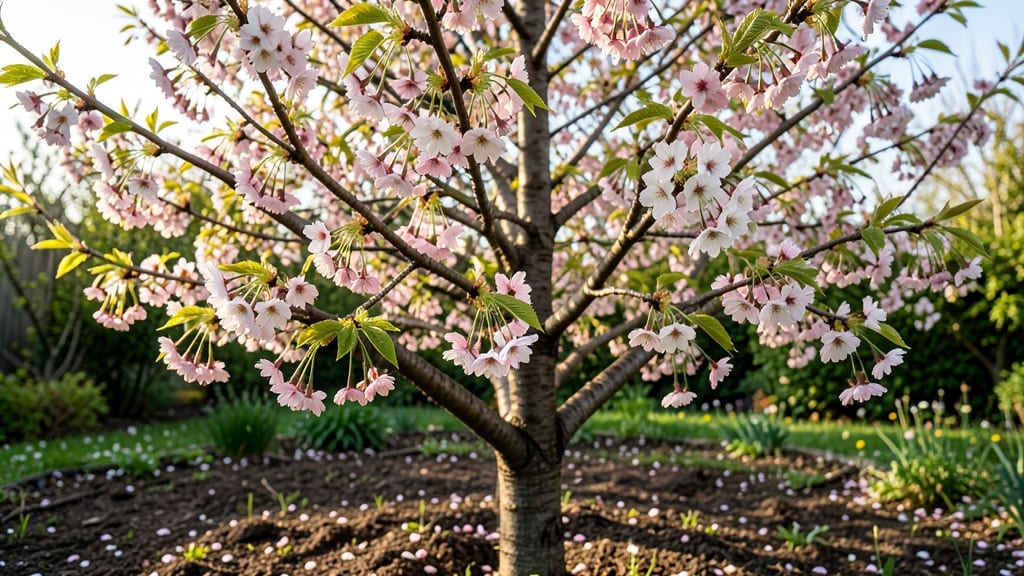
Cherry trees flower in late winter to early spring 🍒, with blooms appearing as early as February in warmer zones or as late as May in colder climates.
Waking up to a canopy of pink or white cherry blossoms is a gardener’s dream—but timing is everything. If you’re planning your landscape around these stunning trees, knowing exactly when cherry trees flower in your region can mean the difference between a breathtaking spring display and missed blooms entirely.
Most ornamental varieties, like the beloved Yoshino cherry, burst into color between March and April, while some late bloomers may wait until May. Climate plays a huge role: trees in the Pacific Northwest often flower weeks earlier than those in the Midwest, where frost risks can delay the show.
In this guide, I’ll break down bloom phases by USDA zone, highlight the best varieties for your area, and share tips to encourage longer-lasting flowers—so you can enjoy that dreamy spring spectacle every year.
Cherry tree bloom timing by USDA hardiness zones
Understanding when cherry trees flower depends heavily on your USDA hardiness zone and local climate. Ornamental cherry trees like Prunus serrulata (Japanese cherry) and Prunus avium (sweet cherry) typically bloom in spring, but their exact timing can vary by 1-3 weeks depending on your region.
In cooler zones like USDA Zone 5, blooms often appear in late April to early May, while warmer zones like Zone 9 may see flowers as early as February or March.
Regional microclimates also play a role. For example, the Pacific Northwest often experiences earlier blooms due to milder winters, while the Midwest may face delayed flowering due to late frost risks.
Even within a single zone, elevation and proximity to large bodies of water can shift bloom timing by 7-10 days. If you're planning a landscape centered around cherry blossoms, these variations are critical for timing your pruning and pest management efforts.
Most cherry trees require chilling hours (typically 500-1,000 hours below 45°F) to trigger blooming. In Zone 6-7, this usually means blooms align with late April to mid-May, while Zone 8-9 trees may start as early as February in coastal areas.
Late frosts after buds swell can devastate blooms, so knowing your local frost dates is just as important as the general bloom window.
Here’s how bloom timing breaks down across key USDA zones, including early, mid, and late bloomers:
| USDA Zone | Early Bloomers | Mid-Season Bloomers | Late Bloomers | Regional Notes |
|---|---|---|---|---|
| Zone 5 | Late April | Early May | Mid-May | Risk of late frosts; prune after blooms. |
| Zone 6 | Early April | Mid-April | Late April | Cooler nights delay blooms; monitor frost dates. |
| Zone 7 | Late March | Early April | Mid-April | Mild winters may cause early bud swell. |
| Zone 8 | February | March | Early April | Coastal areas bloom earliest; inland areas lag. |
| Zone 9 | January-February | February-March | March | Minimal chilling hours may reduce bloom quality. |
In the Pacific Northwest, cherry trees often bloom 2-3 weeks earlier than in the Midwest due to milder winters and consistent rainfall. For example, Seattle (Zone 8) may see Yoshino cherry blooms in early March, while Chicago (Zone 5) typically waits until late April.
If you’re in a transitional zone like Zone 7b, consider planting late-blooming varieties like Kwanzan cherry to avoid frost damage.
For gardeners in Zone 9, the challenge shifts to ensuring trees receive enough chilling hours. Without adequate cold exposure, blooms may be sparse or fail entirely.
In these areas, Prunus subhirtella (autumn cherry) is a great alternative, as it blooms in late winter and again in fall, extending your display. Always check the specific variety’s chilling requirements before planting.
If you’re planning a cherry tree festival or simply want to time your photography, local weather patterns matter more than the zone alone. A warm winter can advance blooms by 10-14 days, while a cold snap in early spring might delay them.
Use your local Cooperative Extension Service as a resource—they track frost dates and bloom forecasts for your area.
Pro tip: Plant multiple varieties with staggered bloom times to extend your seasonal display. Pair an early bloomer like Autumn Royal with a
Top 5 cherry tree varieties ranked by bloom season
Choosing the right cherry tree variety can transform your spring landscape into a breathtaking floral display. Each type blooms at different times, offering staggered beauty from early March to late May.
The Yoshino cherry is my top pick for early bloomers, while the Kwanzan variety steals the show with its vibrant pink flowers in mid-spring.
Climate plays a critical role—warmer zones like USDA Zone 8-9 may see blooms as early as February, while colder regions in Zone 5-6 often wait until April.
To help you plan, I’ve ranked these five varieties by bloom season, including their peak flowering windows and how climate affects their duration. Whether you’re chasing early spring color or extending your blooms into late spring, this guide ensures you pick the perfect variety for your garden’s timing and location.
The Yoshino cherry (Prunus × yedoensis) is the undisputed champion for early bloomers, bursting into white flowers as early as late February in Zone 8. Its delicate petals create a stunning snow-like effect, and it thrives in both urban and rural settings.
In Zone 5-6, expect blooms to arrive around mid-April, but frost risks can delay or damage flowers. I’ve seen Yoshino trees in Washington state bloom so early that they’re often in full flower by President’s Day!
Next up is the Kwanzan cherry, famous for its double-pink blooms that appear in mid-April across most regions. This variety is a late bloomer compared to Yoshino but offers a longer display, often lasting 2-3 weeks with proper care.
In USDA Zone 7-9, Kwanzan trees may even produce a second flush of flowers in late spring, creating a second wave of color. Their vibrant hue makes them a standout in any landscape.
For those who love a weeping form, the Weeping Higan cherry (Prunus subhirtella 'Pendula') is a dream. Its cascading branches create a dramatic focal point, and it blooms in early to mid-April, often overlapping with Yoshino’s later blooms.
This variety is perfect for small gardens or containers, as it matures at a more manageable 15-20 feet tall. Its single white flowers are less dense than Yoshino’s but make up for it with their elegant shape.
If you’re in a cooler climate like Zone 5-6, the Autumnalis cherry (Prunus serrulata 'Autumnalis') is a game-changer. Unlike other varieties, it blooms on and off from late winter through spring, sometimes even into early summer.
This makes it ideal for regions with unpredictable frost patterns, as it spreads out its blooms to minimize frost damage. While its flowers are smaller and less showy than Yoshino’s, the extended bloom time is unmatched.
Finally, the Okame cherry (Prunus × speciosa) is a late bloomer that thrives in USDA Zone 6-9, often flowering in mid-April to early May. Its deep pink buds open into single white flowers, creating a striking contrast against its dark green foliage.
Okame cherries are also more disease-resistant than other varieties, making them a low-maintenance choice for gardeners. In my own yard, this variety has consistently delivered blooms even in years with late frosts.