
Container Gardens
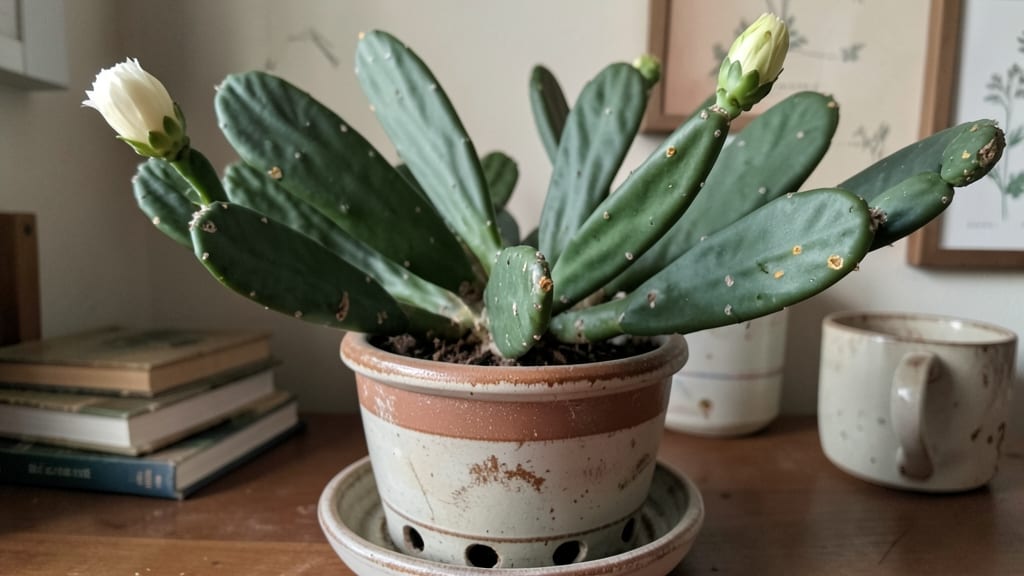
My first potted indoor flowers taught me that year-round blooms don’t need bright sun—just the right plants and a little patience. That first peace lily I brought home in a tiny 6-inch pot became a thriving 12-inch beauty by spring, proving that even a north-facing window can host lush greenery.
The key isn’t complicated: it’s matching the plant to the light, watering just enough to keep roots happy, and accepting that some flowers reward slow growth with dramatic results.
You don’t need a greenhouse or fancy equipment—just a few smart choices. Snake plants survive on neglect, peace lilies bounce back from missed waterings, and orchids reward consistent care with stunning blooms. I’ve kept ferns thriving under bathroom lights and even coaxed blooms from African violets in a kitchen corner.
The trick is starting small: a single 8-inch pot can transform any room, and once you see what’s possible, you’ll want to expand.
By summer, your windowsills will be lined with vibrant foliage and occasional bursts of color—no greenhouse required. The air stays fresher, your space feels alive, and you’ll actually enjoy tending to plants instead of dreading their upkeep.
The best part? Every time you walk past that first blooming peace lily, you’ll remember how simple it all was.
This works for apartments, offices, or even dark hallways—just swap out the plants based on available light. Let’s get those pots blooming all year.
📚 In This Guide
- What you need
- Instructions
- Tips and common mistakes
- Wrapping up and next steps
What you need
- ● Potted indoor flowers: Choose low-light varieties like ZZ plants, snake plants, peace lilies, or pothos (1–3 plants, depending on pot size).
- ● Containers: 1–3 drainage-friendly pots (terracotta, ceramic, or plastic with drainage holes).
- ○ Optional: Cache pots (decorative outer pots) for a polished look.
- ● Potting mix: 1–2 bags of well-draining, moisture-retentive soil (e.g., cactus/succulent mix blended with peat or coconut coir).
- ● Drainage layer: Small pebbles, perlite, or hydroponic clay balls (½ inch thick).
- ● Watering can or spray bottle: With a narrow spout for precise watering.
- ● Fertilizer: Balanced liquid fertilizer (e.g., 10-10-10) or slow-release granules.
- ● Self-watering system: Wick or reservoir trays for hands-off hydration.
- ● Grow lights: LED full-spectrum bulbs (6–12 inches above plants) for supplemental light.
- ● Humidity tray: A shallow tray with pebbles and water to boost moisture for tropical varieties.
- ● Pruning shears: For trimming dead leaves or leggy stems.
- ● Decorative elements: Mosaic tiles, macramé hangers, or pebbles for aesthetic flair.
Step-by-step instructions for growing thriving potted indoor flowers
Here's my straightforward method for coaxing vibrant blooms indoors with just a few hours of light.
Choose the Right Containers and Drainage
Select pots with drainage holes—4-6 inches deep works best for most flowering varieties. I recommend ceramic or terracotta because they breathe better than plastic and help prevent root rot. If your chosen pots lack holes, drill 1-2 additional holes in the bottom to ensure excess water escapes.
Place a 2-inch layer of pebbles or broken pottery at the bottom of each pot before adding soil. This creates an air gap that prevents soggy roots, which is especially critical for indoor plants that can't dry out between waterings. The pebbles also help stabilize the pot and prevent it from tipping over when you water.
Prepare Light-Loving Soil Mix
Fill each pot with 2 gallons of premium potting mix—avoid garden soil, which compacts and suffocates roots. I like to blend mine with 1 cup of perlite per gallon to improve drainage and aeration. This ensures roots get the oxygen they need while retaining enough moisture for flowering plants.
Moisten the mix with warm water until it feels like a damp sponge—squeeze a handful and let it form a loose ball that holds together but doesn't drip. Overwatering now will only lead to compacted soil later, so aim for even moisture without saturation. Tap the pot gently on the table to settle the soil without compacting it further.
Select and Plant Low-Light Flowers
Choose 4 flowering varieties that thrive in low light, like African violets, peace lilies, or spider plants. Gently remove each plant from its nursery pot and loosen the roots if they're circling—this encourages outward growth. Place the plant in its new pot so the top of the root ball sits ½ inch below the rim. Fill the remaining space with additional potting mix.
Press lightly around the base to secure the plant, but don't pack the soil too tightly. You'll see new growth within 2-3 weeks if the roots have room to spread. Water immediately after planting to help settle the soil and eliminate air pockets around the roots. Use room-temperature water to avoid shocking the plants.
Position for Optimal Light Exposure
Place your potted flowers within 3-6 feet of an east- or north-facing window, where they'll receive 4-6 hours of indirect light daily. Avoid south- or west-facing windows unless you have sheer curtains—direct afternoon sun can scorch leaves. Rotate the pots a quarter turn weekly so all sides get even light exposure.
Watch for signs of insufficient light: leggy stems, sparse foliage, or leaves that stretch toward the window. If you notice these, move the plants closer to the light source or supplement with a grow light for 12-14 hours daily. Most indoor bloomers will reward you with flowers within 6-8 weeks of proper light placement.
Maintain Consistent Care for Continuous Blooms
Water when the top inch of soil feels dry—stick your finger in the soil to check before watering. Most potted indoor flowers prefer bottom watering: place the pot in a saucer of water for 10-15 minutes, then drain any excess. This method encourages deeper root growth and prevents fungal issues.
Fertilize every 4-6 weeks during the growing season with a balanced liquid fertilizer (10-10-10 ratio). Reduce feeding in winter when growth slows. Deadhead spent blooms regularly to redirect the plant's energy into new flowers. With consistent care, your potted flowers will keep blooming year-round with minimal sunlight.
Tips & tricks for thriving potted indoor flowers
These small adjustments make all the difference between wilted leaves and vibrant blooms all year long.
Container Selection Matters: The 4-6 inch depth recommendation isn't arbitrary—it gives roots room to establish while preventing soil compaction. For larger varieties like peace lilies, opt for the 6-inch range, while smaller African violets thrive in 4-inch pots. The drainage holes are non-negotiable: I've seen root rot develop within weeks in pots without them, even with careful watering.
Soil Preparation Secret: When mixing your 2 gallons of premium potting mix with 1 cup of perlite per gallon, don't just sprinkle it in—fold it through thoroughly. This creates tiny air pockets that prevent waterlogging. I like to add a handful of worm castings too (optional) for extra nutrients, but the perlite is essential for that perfect balance of moisture retention and aeration.
Light Exposure Insight: The 4-6 hours of indirect light is your sweet spot, but watch for these clues: if leaves stretch toward the window (etiolation), they need more light. Conversely, if leaves develop crispy brown edges, they're getting too much direct sun. A simple grow light on a timer for 12-14 hours daily can work wonders for winter months when natural light diminishes.
Watering Technique: That 10-15 minute bottom watering method might seem long, but it's crucial. Most people overwater because they don't give the roots enough time to absorb moisture. Use room-temperature water to avoid shocking the plants—cold water can cause root damage. I've found that ceramic pots actually help regulate moisture better than plastic ones during this process.
Pro Tips for Potted Indoor Flowers
- These small adjustments make all the difference between wilted leaves and vibrant blooms all year long.
- Container Selection Matters: The 4-6 inch depth recommendation isn't arbitrary—it gives roots room to establish while preventing soil compaction.
- Soil Preparation Secret: When mixing your 2 gallons of premium potting mix with 1 cup of perlite per gallon, don't just sprinkle it in—fold it through thoroughly.
Frequently asked questions
Got questions about keeping your potted indoor flowers thriving? Here are some common concerns—and their easy answers—to help you grow with confidence!
How often should I water my indoor potted flowers?
Water your plants when the top inch of soil feels dry—usually every 5–10 days, depending on humidity and light. Overwatering is a top killer! Pro tip: Stick your finger in the soil to test moisture levels.
Can I grow flowers indoors without direct sunlight?
Low-light lovers like Peace Lilies or Snake Plants thrive near north-facing windows or under grow lights. For brighter blooms, try African Violets or Orchids—they love indirect light.
How long does it take for potted indoor flowers to bloom?
Blooming time varies by plant: African Violets may bloom in 2–3 months, while Orchids can take 6–12 months. Provide consistent care (light, water, nutrients) for the best results.
What if my indoor flowers stop blooming?
Try these fixes:
- Rotate the pot for even light exposure.
- Fertilize lightly every 4–6 weeks (use half-strength liquid fertilizer).
- Check for pests like spider mites or aphids.
- Give them a "rest" period (less water/fertilizer) to recharge.
What are some low-maintenance alternatives to traditional potted flowers?
Consider these easy-care options:
Plant
Care Level
Light Needs
ZZ Plant
Very Low
Low to Medium
Pothos
Low
Low to Bright Indirect
Cast Iron Plant
Low
Low to Medium
Wrapping up and next steps
Bringing potted indoor flowers into your home isn’t just about adding beauty—it’s about creating a thriving, low-maintenance green space that brightens your days year-round. 🌿 With the right light, watering routine, and plant choices, even the coziest, sun-deprived corners can burst with color and life.
Whether you’re a seasoned gardener or just starting out, the key is confidence and consistency.
Ready to transform your space? Start small—pick one low-light lover like a ZZ plant or peace lily—and let your green thumb grow! Then, experiment with bold blooms like orchids or African violets once you’re feeling adventurous. Your indoor jungle awaits!