
Light Requirements
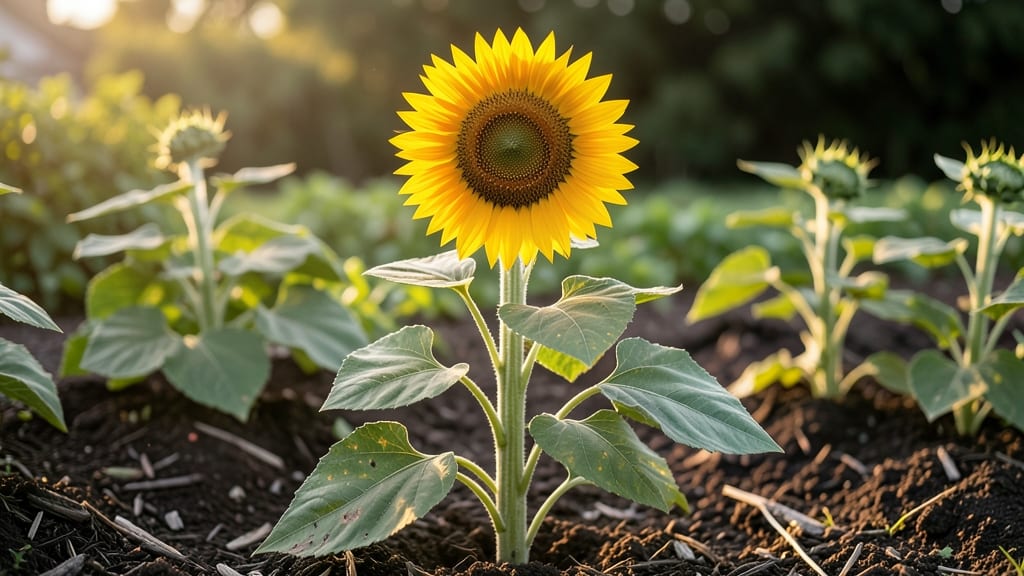
Growing towering sunflowers 🌻 depends on meeting their sunlight requirements—at least 6 to 8 hours of direct light daily, or they’ll stretch weak and flop like a deflated balloon.
Picture this: you’ve waited all spring for those 8-foot stalks to rise, only to end up with leggy stems and tiny blooms. That’s sunlight deprivation talking—and it’s easier to fix than you think.
Sunflowers thrive in full sun, but even partial shade can stunt their growth. In cooler climates like USDA Zone 6a, morning sun paired with afternoon shade works, while hotter regions need afternoon shade to prevent wilting.
Here’s what you’ll discover: the exact light hours your sunflowers need by stage, how to spot light-starved plants, and clever tricks to maximize sunlight—even in tight urban spaces.

Minimum sunlight hours for sunflowers: the science behind stronger stalks
Sunflowers are nature's sun worshippers, and their sunlight requirements are the foundation for growing those iconic towering stalks. As a sunflower enthusiast, I’ve learned the hard way that skimp on light, and you’ll end up with weak, leggy plants that barely reach knee height.
The magic number? 6 to 12 hours of direct sunlight daily, but the science behind why this matters is fascinating—and crucial for maximizing your harvest.
Sunflowers thrive under full sun exposure because their growth is directly tied to photosynthesis. During the seedling stage, they need at least 6 hours of sunlight to develop strong stems and leaves.
As they mature, pushing toward 10 to 12 hours of light ensures robust stalk development and larger, showier blooms. Without enough light, sunflowers stretch toward any available source, creating weak, floppy stems that can’t support their own weight—or their massive flowers.
Here’s the biological breakdown of how sunlight fuels sunflower growth: Photosynthesis in sunflowers converts light energy into glucose, which fuels cell division and stem elongation. The more light they receive, the faster and stronger their stalks grow.
For example, Mammoth sunflowers can reach 12 to 16 feet tall when given full sun, while those in partial shade often max out at 3 to 5 feet. That’s a dramatic difference driven purely by light exposure!
But it’s not just about height—sunlight also impacts flower size and seed production. Sunflowers exposed to 8+ hours of direct sunlight produce blooms that can span 10 to 16 inches in diameter, while those with limited light often yield flowers under 6 inches.
The seeds inside also benefit from ample light, resulting in larger, more abundant harvests. If you’re growing sunflowers for birdseed or culinary use, prioritizing sunlight is non-negotiable.
| Growth Stage | Minimum Sunlight Hours | Optimal Sunlight Hours | Impact of Insufficient Light |
|---|---|---|---|
| Seedling | 6 hours | 8+ hours | Leggy, weak stems; slow growth |
| Vegetative Growth | 8 hours | 10-12 hours | Stunted height; pale leaves |
| Flowering | 10 hours | 12+ hours | Small blooms; delayed or no flowering |
| Seed Development | 8 hours | 10-12 hours | Smaller seeds; lower yield |
The ideal sunlight window for sunflowers is typically between 6 AM and 6 PM, aligning with peak sunlight hours. In regions with shorter daylight in spring or fall, you may need to extend their exposure by planting in the southernmost part of your garden, where sunlight lasts longer.
For example, if you’re in USDA Zone 5 or higher, aim to plant sunflowers by late April or early May to give them the longest possible growing season with ample light.
One common misconception is that sunflowers can thrive in partial shade, especially in hot climates. While they can tolerate 4 to 6 hours of sunlight, their growth will be significantly compromised.
In my own garden, I’ve noticed that sunflowers in partial shade often produce fewer flowers and stems that bend toward the light source, a phenomenon called phototropism.
To avoid this, always place sunflowers in the sunniest spot available, even if it means sacrificing a corner of your garden.
For container-grown sunflowers, positioning is critical. Place pots on a south-facing patio or balcony where they can receive unobstructed sunlight for most of the day.
If your space is limited, consider dwarf varieties like 'Teddy Bear', which tolerate slightly less light but still need at least 6 hours daily. Even with dwarf varieties, insufficient light will result in smaller flowers and weaker stalks, so never compromise on sunlight.
If you’re growing sunflowers in urban environments with limited space, get creative! Use reflective surfaces like white walls or mirrors to bounce extra light onto your plants. I’ve also had success with grow lights for seedlings, providing 12 to 16 hours of light daily until they’re ready to transplant outdoors.
This extra boost ensures they hit the ground running once they’re exposed to natural sunlight.
Remember, sunflowers are heliotropic, meaning their flowers follow the sun’s path across the sky. This behavior is most pronounced in young blooms and is a clear sign they’re thriving under optimal light conditions.
If you notice your sunflowers not tracking the sun or blooming poorly, it’s a red flag that they’re not getting enough light. By understanding their sunlight requirements and adjusting your garden layout accordingly, you’ll be well on your way to growing sunflowers that rival the tallest giants in the field.
How to maximize sunlight for sunflowers in different climates
Sunflowers are sun worshippers—they crave 6 to 12 hours of direct sunlight daily to reach their full height and bloom spectacularly. But what if your garden gets only partial sun or you're in an urban space with limited light?
The good news is that with a few clever strategies, you can still grow stunning sunflowers. Whether you're dealing with shade from trees, seasonal sun shifts, or compact city plots, these solutions will help your sunflowers thrive.
In cooler climates like USDA Zone 6a, morning sun paired with afternoon shade can prevent wilting, while hotter regions benefit from afternoon shade to protect delicate blooms. For urban gardeners, maximizing vertical space and using reflective surfaces can make a world of difference.
Let’s explore how to give your sunflowers the light they need, no matter where you garden.
- 1 Choose the right sunflower variety: Dwarf varieties like 'Teddy Bear' need only 4-6 hours of sun, while standard types like 'Mammoth' require 8+ hours. Match your variety to your light conditions.
- 2 Use reflective surfaces: Place white gravel, mirrors, or light-colored mulch near your sunflowers to bounce extra light onto their leaves. This can add 1-2 extra hours of effective sunlight.
- 3 Adjust planting times: In partial shade, plant seeds 2-3 weeks earlier than usual to give them a head start before taller plants block sunlight. For cooler climates, extend the season by planting later varieties.
- 4 Prune nearby plants: Trim back overgrown shrubs or trees in early spring to allow more sunlight to reach your sunflowers. Even removing a few branches can make a significant difference.
- 5 Rotate plants weekly: Turn your sunflower pots or seedlings slightly every 3-4 days to ensure all sides get even exposure. This prevents leaning and maximizes light absorption.
For urban gardeners with limited space, consider growing sunflowers in containers on balconies or vertical planters. Place them near south-facing walls or use lightweight, reflective materials to redirect sunlight.
In partial shade, pair sunflowers with companion plants like borage or cosmos, which tolerate shade better and won’t compete for light.
Seasonal adjustments are key too. In early spring or late summer, when sunlight is weaker, supplement with a grow light for 4-6 hours daily if natural light falls short.
This is especially helpful for seedlings, which need consistent light to prevent stretching. Even a simple LED bulb can make a difference during cloudy periods.
Don’t forget to monitor your sunflowers’ progress. If stems start stretching or leaves turn pale, it’s a sign they need more light.
By combining these strategies—selecting the right variety, maximizing reflective surfaces, and adjusting planting times—you’ll give your sunflowers the best chance to thrive, no matter your climate or garden size. 🌻