
Trees
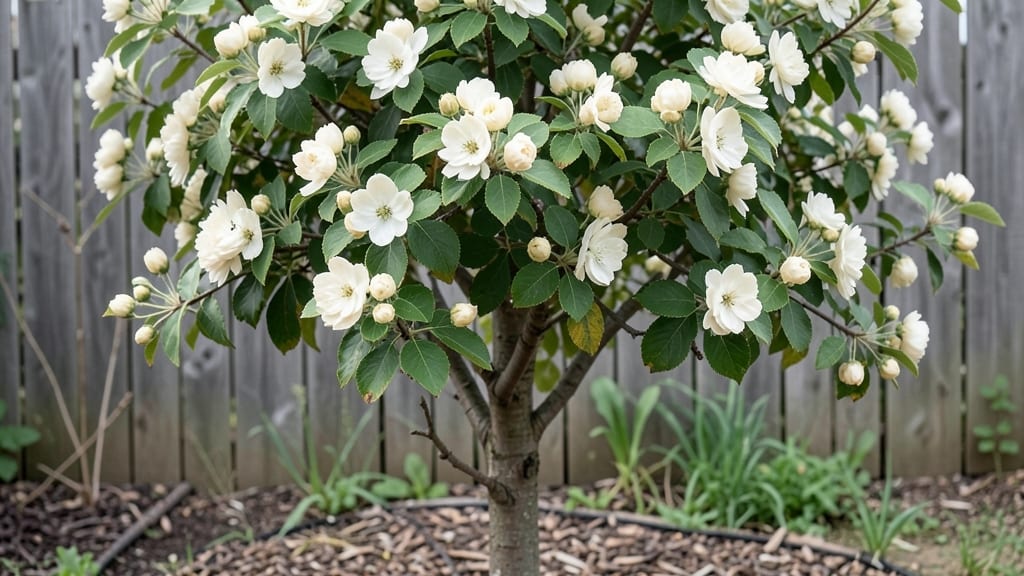
The profusion flowering crabapple 🍎 transforms any garden into a year-round canvas of color, blending vibrant blooms with effortless elegance.
Picture this: a backyard bursting with blossoms from spring through fall, where every season feels like a fresh start. That’s the magic of these trees—they’re not just pretty faces; they’re tough, disease-resistant, and designed to thrive with minimal fuss.
Whether you’re dreaming of a bold focal point or a pollinator-friendly hedge, these varieties bring something special to the table. Their long-lasting blooms and striking foliage make them a standout choice for both new and seasoned gardeners.
In this guide, I’ll walk you through the best varieties, creative planting ideas, and simple care tips to keep your crabapple looking its best—no green thumb required.
Top 5 Profusion flowering crabapple varieties for stunning year-round color
The Profusion flowering crabapple series is renowned for its prolonged bloom periods and disease-resistant nature, making it a standout choice for any landscape.
Unlike traditional crabapples that fade after a few weeks, these varieties keep your garden vibrant from late spring through fall, with some even offering winter interest.
Whether you're designing a pollinator garden, creating a focal point, or adding seasonal texture, these five varieties deliver exceptional beauty with minimal fuss.
I’ve selected these top 5 Profusion crabapples based on their bloom duration, foliage color, fruit production, and adaptability to different climates. Each variety brings something unique—whether it’s pink blooms, red foliage, or compact size—so you can choose the perfect fit for your garden style.
Let’s dive into the details to help you decide which one will steal the show in your outdoor space.
🌸
The Malus 'Profusion' is the classic choice for gardeners who want long-lasting blooms and a bold statement. Its pink-to-light-red flowers appear in late spring and persist through early fall,
How to plant and care for Profusion crabapple trees for maximum blooms
To unlock the full blooming potential of your Profusion crabapple, start with the right planting location and soil. These trees thrive in full sun (6+ hours daily) and well-draining soil. Avoid low-lying areas where water pools, as soggy roots lead to root rot.
I’ve found that planting in early spring, just as new growth begins, gives roots time to establish before summer heat arrives.
Before planting, amend your soil with compost or aged manure to improve drainage and fertility. A slightly acidic pH (6.0-7.0) works best. For container planting (dwarf varieties), use a mix of potting soil and perlite to prevent compaction. Remember, healthy soil equals vibrant blooms and fewer pests.
Choose the Perfect Spot
Select a location with full sun exposure and 6+ hours of direct light. Avoid areas with overhead power lines or competing shade trees. For urban gardens, south-facing walls or patios work well.
Prepare the Soil
Test your soil’s drainage by digging a hole and filling it with water. If it drains in 1-2 hours, it’s ready. Amend clay soil with sand or compost to improve aeration. For sandy soil, add organic matter like peat moss.
Plant at the Right Depth
Dig a hole twice as wide as the root ball but no deeper. Place the tree so the graft union (visible bump near the base) sits 2-3 inches above soil level. Backfill with native soil, tamping gently to remove air pockets.
Water Deeply After Planting
Give your new tree a deep watering (1-2 gallons) to settle the soil. Water again in 7-10 days to encourage root growth. Avoid overwatering, which suffocates roots. Mulch with 2-3 inches of wood chips to retain moisture.
Fertilize for Blooms
Apply a balanced fertilizer (10-10-10) in early spring as new growth appears. Use 1 cup per 10 sq ft of root zone. Avoid fertilizing in summer or fall, as it encourages tender growth vulnerable to frost damage.
Pruning is key to encouraging abundant blooms. Prune your Profusion crabapple in late winter or early spring before buds swell. Remove dead, diseased, or crossing branches first, then thin out 1/3 of the oldest wood to improve airflow.
Avoid heavy pruning in fall, as it stimulates new growth that won’t harden off before winter.
Watch for common pests like aphids or scale insects, which suck sap and weaken blooms. I’ve had success with a hose spray for aphids or neem oil for scale.
For disease prevention, space trees 10-15 feet apart to reduce humidity around foliage. Regularly remove fallen blossoms or fruit to minimize fungal spores.
With the right care, your Profusion crabapple will reward you with season-long color, from spring blossoms to autumn foliage and even winter interest with persistent fruit.
The secret? Consistent sunlight, proper pruning, and patient soil prep—just like my first tree that now blooms like a dream every spring! 🌷