
Flowers
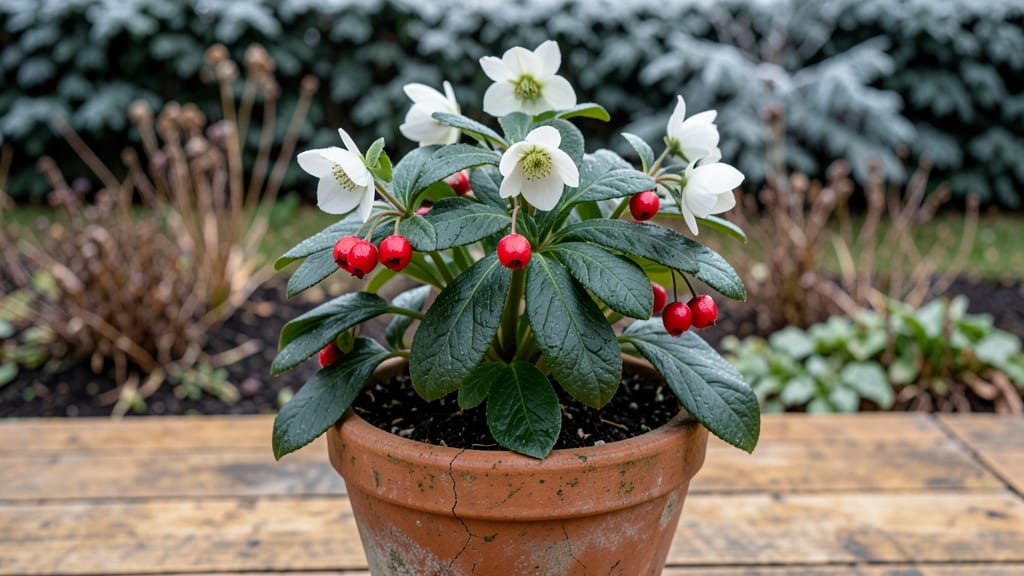
Using the red berries used in flower arrangements instantly transforms ordinary bouquets into bold, eye-catching centerpieces that steal the show 🌿.
Want to add a dramatic pop of color to your floral arrangements? Red berries aren’t just for eating—they’re nature’s most vibrant accents that instantly elevate any bouquet from pretty to show-stopping.
From classic holly to striking pyracantha, these berries bring rich texture and deep hues that pair perfectly with everything from delicate white roses to lush greenery. Their durability makes them ideal for weddings, holiday decor, or everyday centerpieces that last.
In this guide, you’ll discover the best red berries for arrangements, how to harvest and preserve them, and creative ways to combine them with flowers for maximum impact—no design degree required.
Top 7 red berries for flower arrangements and their stunning visual impact
Red berries transform floral arrangements from ordinary to extraordinary with their bold color contrast and textural depth. Whether you're crafting a wedding bouquet or a holiday centerpiece, these berries add drama and seasonal interest.
Their vibrant hues range from deep crimson to fiery orange-red, creating eye-catching focal points that last for weeks.
The key to stunning arrangements lies in selecting berries with durability and long-lasting color. Some varieties maintain their glossy finish for over two weeks, while others fade quickly under direct sunlight.
I’ve curated the top 7 red berries based on their visual impact, availability, and arrangement performance, ensuring you’ll find the perfect match for your next project.
Holly is my go-to for holiday arrangements because its spiky leaves and glossy berries create a classic winter look. The berries stay vibrant for three weeks or more when kept in a cool, dry place. Pair them with white am
How to pair red berries with flowers for maximum contrast and depth
Red berries bring a bold, jewel-toned punch to floral arrangements, but pairing them correctly is key to avoiding visual clutter. The secret lies in color theory—specifically, balancing their high saturation with softer hues or textures.
For example, pairing deep red berries like holly with white roses creates instant drama, while lighter berries (like cotoneaster) complement blush-toned peonies for a romantic contrast. The goal? Let the berries pop without competing.
Start with the 60-30-10 rule as your guide: 60% of your arrangement should be neutral fillers (eucalyptus, greenery), 30% primary flowers (like ranunculus or dahlias), and just 10% red berries as accents.
This keeps the focus sharp while preventing the berries from overwhelming the design. Think of them as edible jewels—small but impactful.
🌿 Top Red Berry & Flower Pairings for Stunning Contrast
- Holly berries + White garden roses = Classic holiday elegance (perfect for winter weddings).
- Pomegranate seeds + Dusty blue hydrangeas = Mood-booster contrast (ideal for boho-chic centerpieces).
- Cotoneaster berries + Soft pink ranunculus = Romantic cottagecore vibes (great for spring arrangements).
- Pyracantha berries + Silver foliage (e.g., lamb’s ear) = Modern minimalism with metallic sheen.
- Winterberry clusters + Deep burgundy dahlias = Autumnal richness (use sparingly for depth).
Pro tip: Odd numbers (3, 5, or 7 berry clusters) create natural balance in arrangements.
Seasonality plays a huge role in pairing. Fall arrangements thrive with holly and eucalyptus, while summer bouquets shine with cotoneaster and sunflowers. For year-round use, preserve berries by drying them (like pomegranate seeds) or freezing them in ice cubes for frosted floral accents.
Even evergreen foliage (like pine or boxwood) can tie red berries into winter designs.
Don’t underestimate texture contrast—pair glossy berries with matte flowers (like peonies) or spiky berries with soft petals (like roses). For example, pyracantha’s jagged clusters look stunning against velvety black callas.
This interplay makes your arrangement feel dimensional and dynamic. Test combinations in small foam block mockups before committing to a full bouquet.
For wedding or event designs, consider monochromatic palettes with red berries and deep greens (like lemon balm leaves) for a luxurious, jewel-toned look. Add a single gold ribbon or copper wire to elevate the arrangement’s metallic sheen.
Remember: Less is more—a few well-placed berries can outshine a handful of weaker flowers.
Experiment with height variations too. Place taller stems (e.g., snapdragons) behind berry clusters to create depth layers, while shorter flowers (like statice) can tuck under them.
This trick makes your arrangement look professionally designed even if you’re a beginner. Happy arranging—your berries will thank you with vibrant pops of color that last! 🌹