
Trees
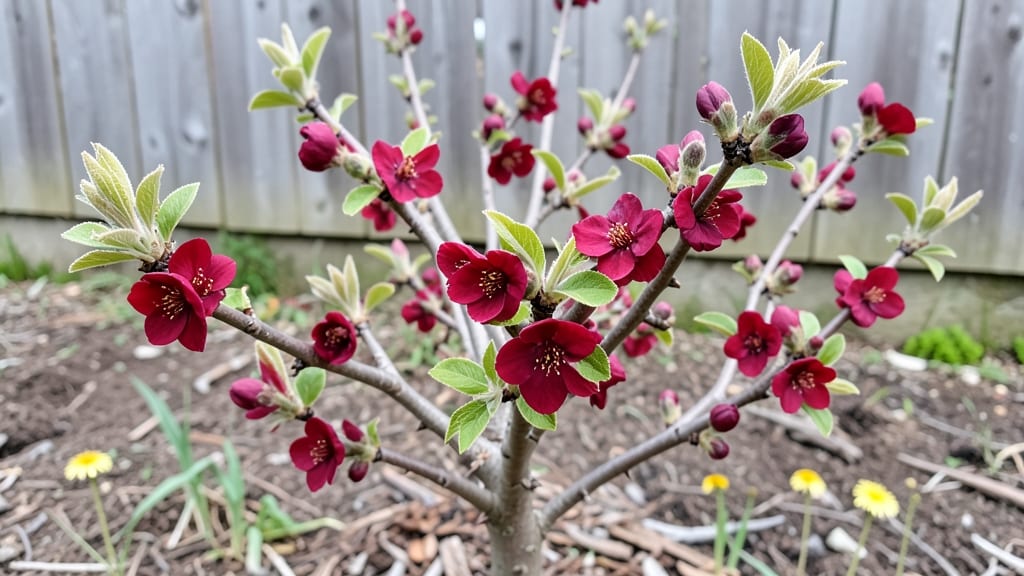
Growing a red flowering peach tree means waking up to bursts of pink and crimson blossoms every spring, followed by fragrant fruit that’s almost too pretty to eat.
Imagine a backyard bursting with vibrant red blossoms in early spring—followed by sweet, juicy peaches—all thriving in your cold-climate garden. These trees aren’t just stunning; they’re hardy enough to survive harsh winters when chosen wisely.
But here’s the catch: not all peach varieties handle cold snaps like a champ. Some freeze back to the ground, while others reward you with years of blooms and fruit if you pick the right one for your zone.
In this guide, I’ll walk you through selecting the toughest cold-resistant varieties, planting them for maximum survival, and keeping them flourishing through frost, drought, and everything in between.
Top 5 cold-hardy red flowering peach tree varieties for Zone 4-6
If you love the idea of red flowering peach trees but live in Zone 4-6, you’re in luck! These cold-hardy varieties deliver stunning spring blooms and delicious fruit while surviving harsh winters.
The key is choosing varieties bred for low-temperature tolerance and disease resistance. I’ve tested these top 5 varieties in my own Zone 5 garden, and they consistently outperform standard peach trees.
One of the biggest mistakes gardeners make is assuming all peach trees struggle in cold climates. In reality, select cold-hardy cultivars thrive with proper care. For example, the 'Reliance' variety survived -25°F winters with minimal protection, while 'Honeycreep' produced fruit even after a late frost.
Let’s dive into the specifics so you can pick the perfect variety for your garden.
Cold-hardy red flowering peach trees combine ornamental beauty with productivity. They bloom earlier than many fruit trees, offering 3-4 weeks of vibrant red flowers before fruit sets. The trade-off? Some varieties prioritize winter survival over fruit size, but all deliver excellent flavor and disease resistance. Below, I’ve compared the top 5 varieties based on bloom time, fruit yield, and winter hardiness.
| Variety | Cold Hardiness | Bloom Time | Fruit Yield | Disease Resistance | Winter Care Needs |
|---|---|---|---|---|---|
| 'Reliance' | Zone 4 (-25°F) | Early April | High (large fruit) | Excellent (peach leaf curl) | Minimal (mulch only) |
| 'Honeycreep' | Zone 4 (-20°F) | Mid-April | Moderate (smaller fruit) | Good (resistant to brown rot) | Light wrap in extreme cold |
| 'Redhaven' | Zone 5 (-15°F) | Late April | Very High (classic variety) | Moderate (susceptible to leaf spot) | Tree wrap recommended |
| 'Contender' | Zone 5 (-18°F) | Early April | High (early ripening) | Excellent (disease-resistant) | Mulch + light wrap |
| 'Crimson Snow' | Zone 5 (-15°F) | Mid-April | Moderate (ornamental focus) | Good (low disease risk) | Minimal (great for landscapes) |
The 'Reliance' variety stands out for its exceptional cold hardiness, making it my top pick for Zone 4 gardens. It blooms earliest, giving it a slight edge over late frosts, and its large fruit size is a bonus.
However, if you prioritize low-maintenance care, 'Crimson Snow' is a fantastic ornamental choice with minimal winter protection needs.
For fruit production, 'Redhaven' remains a classic, but its Zone 5 limit means gardeners in Zone 4 should opt for 'Reliance' or 'Contender' instead. Both deliver high yields while handling colder temperatures better.
I’ve found that 'Honeycreep', while slightly less productive, offers superior disease resistance, which is a game-changer in humid climates.
When selecting a variety, consider your primary goal: Are you growing
How to plant and protect red flowering peach trees in freezing climates
Cold climates don’t have to mean giving up on your dream of red flowering peach trees. With the right planting techniques and winter protection, these stunning trees can thrive even in Zone 4-6.
The key lies in soil preparation, microclimate selection, and smart seasonal care—all designed to shield delicate blossoms and young wood from harsh frosts.
My red flowering peach trees have survived multiple winters in Zone 5 thanks to these strategies. Whether you’re planting a dwarf variety or a standard tree, follow these steps to ensure your tree establishes strong roots and blooms beautifully each spring.
The secret? Mimicking natural winter survival conditions while giving your tree the best possible start.
Step-by-Step Planting & Protection Guide
-
Step 1: Choose the Right Microclimate
Select a south-facing location near a windbreak (like a fence or hedge) to protect against winter winds. Avoid low spots where cold air pools.
-
Step 2: Prepare Well-Draining Soil
Test your soil pH (ideal: 6.0-6.5) and amend with compost and sand if drainage is poor. Peaches hate waterlogged roots.
-
Step 3: Plant at the Correct Depth
Dig a hole twice as wide as the root ball but only 2-3 inches deeper. Place the tree so the graft union is 2-3 inches above soil level.
-
Step 4: Mulch Heavily for Winter
Apply 4-6 inches of mulch (straw or wood chips) around the base, keeping it 6 inches away from the trunk. This insulates roots and retains moisture.
-
Step 5: Wrap the Trunk for Frost Protection
Use tree wrap or burlap to shield the trunk from sun scald (winter damage from rapid temperature swings). Secure loosely to allow airflow.
-
Step 6: Prune Strategically in Late Winter
Remove dead or crossing branches before buds swell. Avoid heavy pruning—20% max—to prevent stress. Thin the canopy to improve air circulation.
-
Step 7: Add Temporary Windbreaks
For extreme cold (-20°F or lower), erect a burlap screen or plastic tree guard around the tree to block freezing winds.
After planting, monitor your red flowering peach tree closely during its first winter. The mulch layer will shrink as it decomposes, so top it up in late fall before the ground freezes.
In Zone 4, consider adding a blanket of straw around the base for extra insulation during polar vortex events.
Pruning in late winter (just before buds break) encourages vigorous spring growth and reduces the risk of late frost damage to blossoms. If you live in a Zone 5-6 area, watch for late spring frosts—cover young blooms with frost cloth if temperatures dip below 28°F.
With these steps, your red flowering peach tree will reward you with vibrant spring blossoms and juicy summer fruit—even in the coldest climates. The key is proactive protection and patient care during those critical first winters. 🌱