
Lawn
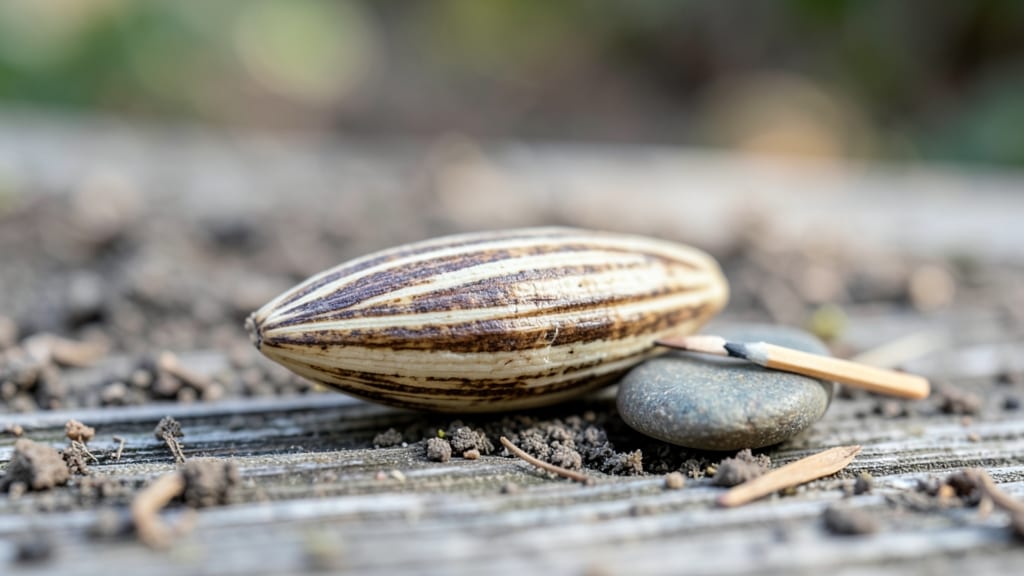
A sunflower seed’s size—typically 0.5 to 1.2 inches long and 0.2 to 0.4 inches wide—might seem tiny, but it holds the key to growing a 12-foot giant or a compact 2-foot dwarf.
Did you know that planting too deep or too shallow can stall germination—or worse, leave you with a patchy garden? The right depth ensures strong roots, while spacing depends on whether you’re growing a towering 🌻 or a petite variety.
In this guide, I’ll break down the exact measurements, compare seed sizes across varieties, and show you how to adjust planting depth for better germination and healthier growth.
You’ll also learn how to visualize seed size (think: a grain of rice or a sesame seed) and why spacing matters—especially when giant sunflowers need room to thrive.


Exact dimensions of a sunflower seed: length, width, and weight
Understanding the exact dimensions of a sunflower seed is crucial for proper planting. Whether you're growing giant sunflowers for their towering beauty or dwarf varieties for small spaces, seed size directly impacts germination rates and plant spacing.
Most sunflower seeds measure between 0.5 to 1.2 inches in length, but variations exist based on the type. Knowing these specifics helps you plant seeds at the right depth and distance for optimal growth.
For example, a common sunflower seed typically ranges from 0.7 to 0.9 inches long, while giant sunflower seeds can stretch up to 1.2 inches. The width is usually 0.2 to 0.4 inches, and the weight varies from 0.05 to 0.15 grams.
These measurements might seem tiny, but they play a huge role in how you handle and plant your seeds.
Here’s a quick comparison to everyday objects: a sunflower seed is roughly the size of three grains of rice laid end-to-end or about the width of a sesame seed. Visualizing these dimensions helps when adjusting planting depth, spacing, and even germination techniques.
For instance, larger seeds like those from giant varieties need deeper planting to ensure stability and proper moisture levels.
| Sunflower Type | Length (inches) | Width (inches) | Weight (grams) | Comparison |
|---|---|---|---|---|
| Common Varieties | 0.7–0.9 | 0.2–0.3 | 0.07–0.10 | Size of 3 rice grains |
| Giant Varieties | 1.0–1.2 | 0.3–0.4 | 0.10–0.15 | Size of a sesame seed |
| Dwarf Varieties | 0.5–0.7 | 0.15–0.25 | 0.05–0.08 | Size of a small pea |
The weight of a sunflower seed also varies, with giant seeds weighing up to 0.15 grams each. This might seem negligible, but it affects how seeds settle in soil and absorb moisture.
Lighter seeds, like those from dwarf varieties, may require gentler handling to avoid damage during planting. Always ensure your seeds are dry and free of debris before sowing to maximize germination potential.
When planting, consider the seed-to-soil ratio. For giant sunflowers, planting seeds 1.5 inches deep ensures they have enough stability and moisture. In contrast, dwarf varieties can be planted just 0.5 inches deep.
This adjustment is critical for preventing seed rot or poor germination. Always loosen the soil slightly before planting to create an ideal environment for root development.
Another key factor is seed spacing. Giant sunflower seeds, being larger, should be spaced 18 to 24 inches apart to allow room for their massive root systems. Dwarf varieties, on the other hand, can be planted 6 to 12 inches apart.
Proper spacing reduces competition for nutrients and sunlight, leading to healthier plants and higher yields.
If you’re growing sunflowers in containers, the seed size influences the pot size you’ll need. Larger seeds require deeper containers (at least 12 inches deep) to accommodate their extensive root systems.
Smaller seeds can thrive in shallower pots, but ensure they have enough room to grow upright without crowding. Always use well-draining soil to prevent waterlogging, which can harm seeds during germination.
For those curious about sunflower seed germination, larger seeds often have higher moisture content, which can speed up the process. Smaller seeds may take a few extra days to sprout, so be patient and keep the soil consistently moist.
A simple trick is to soak seeds overnight before planting, which can improve germination rates across all varieties.
Finally, remember that seed size impacts storage too. Larger seeds store better due to their higher moisture content, while smaller seeds may dry out faster. Store seeds in a cool, dry place in an airtight container to maintain their viability for up to 2 years.
Proper storage ensures you have healthy seeds ready for your next planting season.
How sunflower seed size affects germination and planting depth
Sunflower seed size plays a surprising role in germination success. A giant sunflower seed (like those from 'Mammoth' varieties) can be 1.2 inches long, while a dwarf sunflower seed (like 'Teddy Bear') stays under 0.5 inches.
This difference isn't just about aesthetics—it directly impacts how deep you should plant them and how much space they need to grow.
Planting too deep can suffocate smaller seeds, while shallow planting may expose larger seeds to drying out. The right depth ensures roots establish quickly, giving your sunflowers the best start.
For example, a 1-inch planting depth works for most varieties, but giant seeds need 1–2 inches to access moisture, while dwarf seeds thrive at just 0.5–1 inch.
🌱 Key Insights: Seed Size and Planting Depth
- Giant seeds (1.2" long): Plant 1–2 inches deep to protect moisture reserves and encourage strong root growth.
- Standard seeds (0.8" long): Aim for 1 inch deep—the sweet spot for most varieties.
- Dwarf seeds (0.5" long): Keep shallow at 0.5–1 inch to prevent seedling stress.
- Soil moisture tip: Larger seeds need moist but not soggy soil; smaller seeds prefer consistently damp conditions.
- Spacing rule: Giant seeds need 18–24 inches apart, while dwarf seeds can handle 6–12 inches.
Larger seeds contain more stored energy, which is why they can handle deeper planting. Think of it like a battery: bigger seeds have more power to fuel early root growth. Smaller seeds, however, rely on quick access to moisture, so they need shallower depths to avoid rotting.
Adjusting spacing based on seed size is just as critical. Giant sunflowers need 18–24 inches between plants to avoid shading each other, while dwarf varieties can thrive in 6–12 inches of space. Overcrowding leads to weak stems and fewer blooms—so always match spacing to seed size.
Pro tip: Use your finger as a guide. For giant seeds, press the seed into the soil until it’s covered by your knuckle depth. For dwarf seeds, a nail-bed depth works perfectly. This simple trick ensures consistent planting every time.
Finally, monitor soil moisture closely. Larger seeds planted deeper need less frequent watering (every 7–10 days), while smaller seeds in shallow soil may need daily checks to stay moist. Mulching around seedlings helps retain moisture and keeps roots cool—especially important for dwarf varieties.