
Trees
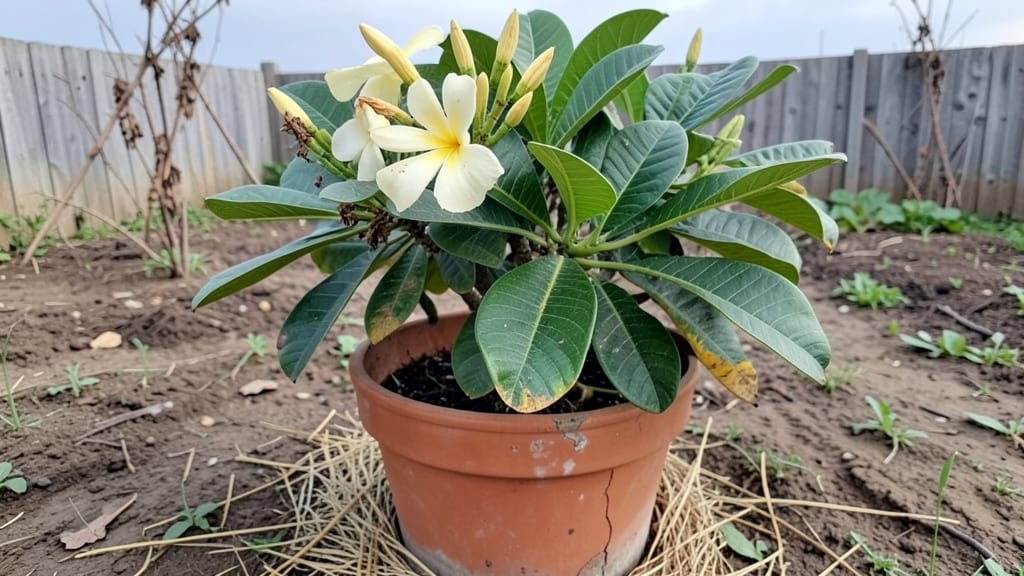
That smelly flowering tree—with its bold, honeyed perfume—can transform your garden into a fragrant haven where every breeze carries intoxicating amber blooms.
Imagine stepping into your garden and being greeted by waves of intoxicating floral scents—some trees don’t just look beautiful, they transform your outdoor space into a fragrant sanctuary. If you’ve ever wondered which smelly flowering trees can elevate your garden’s sensory experience, you’re in the right place.
The Amber Tree thrives in USDA Zone 6a, making it perfect for spring planting between April and May. With its medium size and striking appearance, it’s ideal for adding both beauty and fragrance to your landscape.
Below, you’ll discover how to plant, care for, and maximize the scent of this stunning tree, ensuring your garden becomes a fragrant haven year after year.
Top 7 most fragrant flowering trees for scent-loving gardens
Transforming your garden into a fragrant paradise starts with choosing the right smelly flowering trees. These trees don’t just add beauty—they fill the air with intoxicating aromas that linger long after sunset.
Whether you crave jasmine’s sweetness, magnolia’s creamy richness, or frangipani’s tropical allure, there’s a fragrant tree perfect for your space. The key is matching their bloom seasons and care needs to your climate and lifestyle.
Not all fragrant trees thrive in every region, but the right selection can create a sensory garden experience year-round. Some bloom in spring, others in summer, and a few even reward you with autumn fragrance.
Let’s explore the top 7 most fragrant flowering trees that will make your garden unforgettable—plus how to keep their scents strong for decades.
| Tree Name | Scent Profile | Bloom Season | USDA Zones | Sunlight Needs | Mature Height |
|---|---|---|---|---|---|
| Jasmine (Trachelospermum jasminoides) | Sweet, floral, night-blooming | Spring-Summer | 6-9 | Full Sun to Partial Shade | 10-15 ft |
| Southern Magnolia (Magnolia grandiflora) | Creamy, spicy, citrus-like | Spring-Summer | 6-10 | Full Sun to Partial Shade | 60-80 ft |
| Fringe Tree (Chionanthus virginicus) | Sweet, honey-like, jasmine-like | Spring | 5-9 | Full Sun | 15-20 ft |
| Plumeria (Frangipani) | Tropical, vanilla, citrus | Summer-Fall | 10-12 | Full Sun | 10-20 ft |
| Crabapple (Malus spp.) | Sweet, apple-like, rose-like | Spring | 4-8 | Full Sun | 15-25 ft |
| Bradford Pear (Pyrus calleryana) | Sweet, light floral | Spring | 5-9 | Full Sun | 30-40 ft |
| Orange Blossom (Citrus sinensis) | Citrusy, sweet, orange-like | Spring | 9-11 | Full Sun | 20-30 ft |
Jasmine stands out as a night-blooming champion, releasing its sweet floral scent after dark when most gardens are quiet. Plant it near patios or windows to enjoy its aroma while relaxing.
Meanwhile, Southern Magnolias offer a creamy, spicy fragrance that’s unmistakable—perfect for those who love bold, long-lasting scents. Their large, glossy leaves add year-round interest, even when not in bloom.
The fringe tree is a hidden gem for early spring fragrance, with honey-like blooms that attract pollinators. It’s ideal for smaller gardens since it stays compact compared to magnolias. If you dream of a tropical escape, plumeria (frangipani) delivers with its vanilla-citrus scent.
Just remember—it thrives only in warmer climates (USDA zones 10-12) and needs full sun exposure to bloom reliably.
For cooler climates, crabapple trees offer a sweet apple-rose fragrance in spring, paired with striking fruit displays. Their compact size makes them great for urban gardens. Meanwhile, Bradford pears provide light floral scents and stunning white blossoms, though they’re best pruned annually to control their aggressive growth.
Lastly, orange blossoms bring a citrusy sweetness that’s pure magic—
How to choose the right smelly flowering tree for your climate and space
Selecting the perfect smelly flowering tree for your garden starts with understanding your local USDA hardiness zone and available space. Not all fragrant trees thrive in every climate—some love humid coastal areas, while others prefer dry inland regions.
My first tip? Check your zone and match it with a tree that naturally flourishes there, like southern magnolias for zones 6-9 or frangipani in zones 10-11.
Next, consider your garden’s sunlight exposure. Most fragrant trees, such as jasmine or plumeria, crave full sun (6+ hours daily), but others like crabapple can tolerate partial shade. Measure your space—will a 20-foot-tall bridal wreath spirea fit, or do you need a compact dwarf gardenia?
- 🌡️ Climate Match: Verify your USDA zone (e.g., zone 5-8 for mock orange, zone 9-11 for frangipani).
- ☀️ Sunlight Needs: Full sun (6+ hrs) for jasmine/plumeria; partial shade (3-6 hrs) for azalea/camellia.
- 🌱 Soil Type: Well-draining soil for citrus-scented trees; acidic soil for rhododendron/camellia.
- 📏 Space Requirements: Dwarf varieties (e.g., miniature gardenia) for small yards; standard trees (e.g., magnolia) for large properties.
- 🌷 Scent Intensity: Night-blooming jasmine = strong evening fragrance; day-blooming plumeria = daytime citrusy aroma.
Don’t overlook soil preferences—some fragrant trees, like azaleas, demand acidic soil (pH 4.5-6.0), while others, such as crepe myrtle, adapt to neutral or slightly alkaline soil. A quick soil test (available at garden centers) saves you from struggling with a mismatched tree.
To maximize scent, plant your smelly flowering tree near seating areas, patios, or walkways where you’ll linger. For example, a jasmine vine trellis by your morning coffee spot ensures you wake up to its vanilla-like perfume.
Pro tip: Avoid placing trees near strong winds, which can disperse the aroma too quickly.
Finally, consider bloom seasons. If you want year-round fragrance, mix spring-blooming (e.g., cherry blossom) with summer-fall options (e.g., osmanthus). Layering trees ensures your garden always smells like a botanical spa.
With these factors in mind, you’re ready to pick a smelly flowering tree that thrives in your space—and fills your garden with intoxicating scents for years to come. 🌳