
Picking
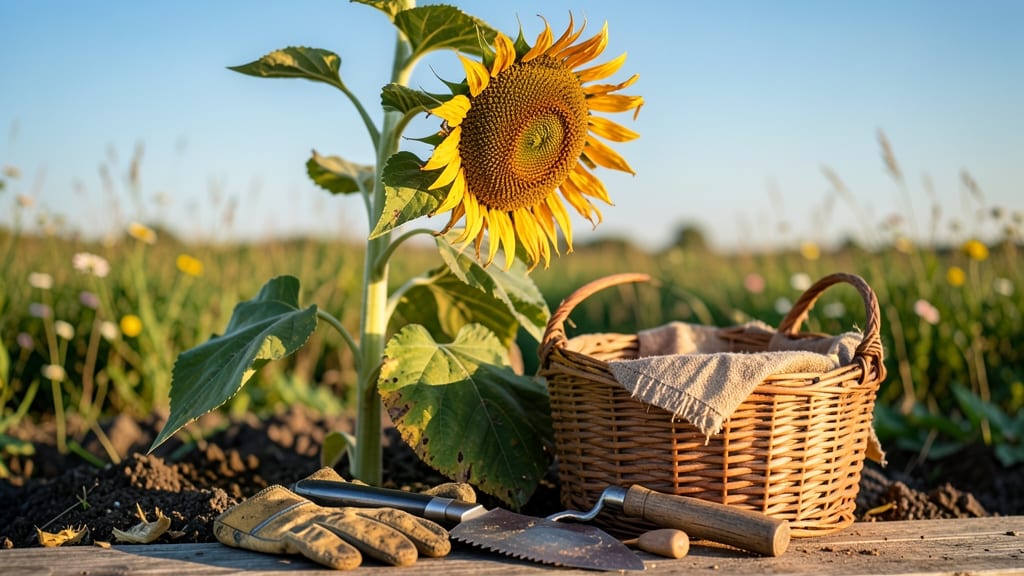
Harvesting sunflowers at the right time turns your garden into a seed goldmine 🌻—but one wrong cut means wasted effort or seeds that won’t store well.
Picture this: you’ve spent months nurturing towering 🌻 sunflowers, only to wait too long and watch birds strip the heads bare, or cut too soon and end up with shriveled, unusable seeds.
The difference between a bountiful harvest and a frustrating flop comes down to timing—and knowing the subtle cues your plants give.
From the moment the petals start drooping to the exact moment the seed heads turn a deep, papery brown, there’s a 3-4 week window where every day counts. In Zone 6a, that means watching for changes between July and October, depending on your variety.
Miss it, and you’ll either have seeds that won’t germinate or heads that crumble before you can save them.
In this guide, I’ll walk you through the exact signs to look for, how to tell when your sunflowers are truly ready, and the simple steps to dry and store seeds for planting next year.
No guesswork—just a foolproof method to maximize your yield, whether you’re saving seeds for your garden or turning them into birdseed.

How to determine the best sunflower harvest time by plant stage
Harvesting sunflowers at the perfect moment ensures plump, flavorful seeds packed with nutrients. Timing is everything—cut too early, and you’ll get underdeveloped seeds; wait too long, and they’ll shatter or attract pests.
The key lies in observing three critical visual cues: petal condition, seed color, and the iconic "black oil" stage for heirloom varieties.
First, watch for petal droop. When the vibrant yellow petals begin to wilt and curl inward, it’s your first signal that the seeds are maturing. This usually happens 1-2 weeks before full harvest readiness.
At this stage, the flower head may also start tilting downward slightly—a classic sign the plant is redirecting energy to seed development.
Next, focus on the seed head color. Immature seeds appear green or pale yellow, while fully ripe seeds turn a deep tan or brown. For black oil sunflower varieties, the seeds will develop a glossy black exterior when perfectly ripe.
This stage is ideal for both seed-saving and culinary use, as the seeds are packed with healthy fats and nutrients.
Here’s where it gets tricky: the "black oil" stage is the sweet spot for heirloom varieties. These seeds are fully mature but not yet brittle, making them perfect for pressing oil or roasting.
If you’re growing sunflowers for birdseed or snacking, aim to harvest just before the seeds turn completely brown to avoid shattering.
| Stage | Petal Condition | Seed Head Color | Seed Color | Seed Texture | Harvest Readiness |
|---|---|---|---|---|---|
| Immature | Fully open, bright yellow | Green or pale yellow | Green or white | Soft, plump | Not ready |
| Developing | Beginning to wilt, curling inward | Yellowing, dry | Tan or light brown | Firm, slightly hard | Nearly ready |
| Peak Harvest (Black Oil) | Mostly fallen or brown | Dry, brown | Deep tan or black (oil types) | Hard, plump | Perfect! |
| Overripe | Fallen, brittle | Dry, cracked | Gray or shriveled | Brittle, shattering | Too late |
🌻 Pro Tip: Give the seed head a gentle shake. If seeds rattle loudly, they’re ready!
A simple shake test can confirm ripeness. Hold the seed head over a bucket or paper and give it a firm shake. If seeds rain down easily but the head isn’t crumbling, you’ve hit the sweet spot.
This method works especially well for tall varieties like Mammoth, where reaching the top can be tricky.
For dwarf varieties or container-grown sunflowers, timing might shift slightly due to their smaller size. These types often mature 1-2 weeks faster than their towering counterparts. Pay extra attention to the seed head’s base, which should turn a dull yellow-brown when ready.
If the stem feels hollow when tapped, it’s a clear sign the seeds are fully developed.
Regional climate plays a role too. In warmer zones (8-10), sunflowers may mature faster, while cooler zones (3-6) could extend the growing season. If frost threatens before seeds ripen, consider harvesting the seed heads early and drying them indoors.
Just be prepared to sacrifice some yield if seeds aren’t fully mature.
One common mistake is waiting until the entire flower head turns gray. By this point
Step-by-step guide to harvesting sunflower seeds for maximum yield
Once your sunflowers hit the perfect harvest stage, timing the cut is everything. Harvest too early, and seeds won’t store well; wait too long, and birds or weather will ruin your hard work.
The key is acting within that 3-4 week window when seed heads turn dry and papery brown. For Zone 6a gardeners, this typically falls between late August and October, but your exact timing depends on your variety and local climate.
Gather your tools first: a pair of sharp pruners (or a clean knife), gardening gloves to protect your hands, and a drying rack or paper bags for post-harvest care.
Avoid using scissors—they can crush stems and damage seed heads. Work on a dry, sunny day to minimize moisture exposure, which can lead to mold or premature seed spoilage.
-
Step 1: Identify Ready Seed Heads
Look for fully brown, dry seed heads with wilted petals. Gently shake the head—if seeds rattle loudly, they’re ready.
-
Step 2: Cut Stems at the Base
Use pruners or a knife to cut stems 1-2 inches above ground. Avoid tearing stems to prevent seed loss.
-
Step 3: Hang Heads Upside Down
Tie stems to a drying rack or string in a well-ventilated, dry spot (like a garage or shed). Avoid direct sunlight to prevent overheating.
-
Step 4: Dry for 1-2 Weeks
Seeds need 10-14 days to fully dry. Check daily—heads are ready when seeds pop out easily when pressed.
-
Step 5: Remove and Store Seeds
Rub heads between paper towels to release seeds. Store in paper envelopes or glass jars in a cool, dark place for up to 3 years.
One of the biggest mistakes I see is harvesting seeds when they’re still slightly green or when the back of the head hasn’t turned fully brown. These seeds won’t store properly and may not germinate next season.
Equally problematic is leaving heads in humid conditions—moisture accelerates mold growth, turning your harvest into a sad, mushy mess. If you’re in a damp climate, consider using a dehumidifier or fan near your drying rack.
For gardeners in warmer climates, like Zones 8-10, harvest may start as early as July, while those in cooler Zones 3-5 might need to wait until late September. Always prioritize seed dryness over calendar dates—your sunflowers will tell you when they’re ready.
Once you’ve mastered the harvest, you’ll have seeds ready for planting, bird feeders, or even selling at local markets. The satisfaction of turning a sunflower’s golden bloom into next year’s garden is unmatched—just don’t forget to save a few for your own spring planting! 🌱