
Planting
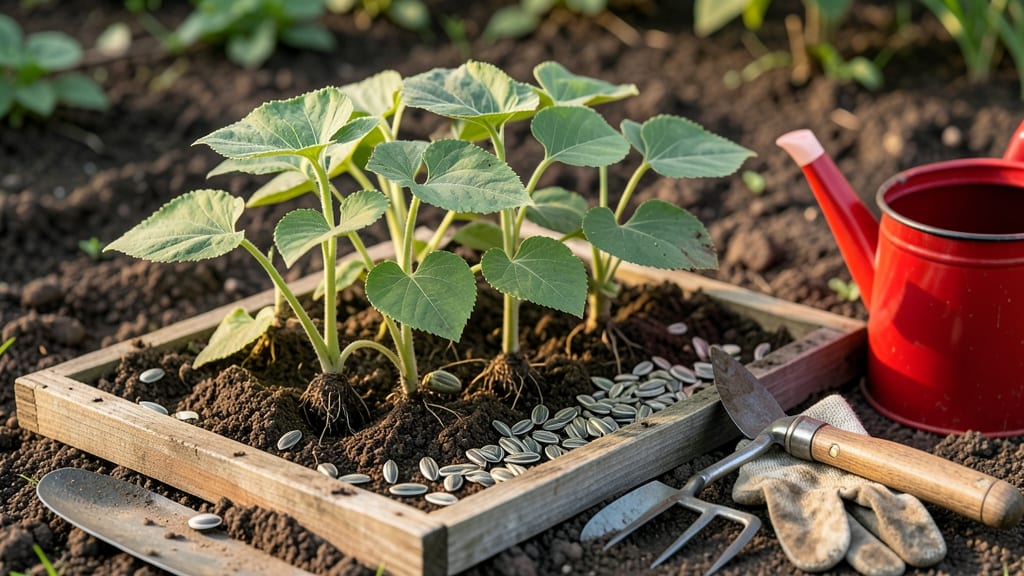
Direct sow sunflowers after your last frost date — when soil temperatures hit 50°F consistently — for the fastest, most vigorous growth 🌻.
Picture this: you’ve cleared the garden bed, prepped the soil, and planted your seeds with high hopes, only to wait weeks for anything to sprout. That’s what happens when you jump the gun on sunflowers — they’re finicky about timing, especially in cooler climates like USDA Zone 6a.
Getting the timing right isn’t just about avoiding frost; it’s about giving those seeds the warmth they crave to pop up in 3-7 days. In warmer zones, you might start as early as March, but in cooler areas, waiting until mid-April or later makes all the difference.
Below, I’ll break down the exact soil temps to watch for, how to adjust for your region, and even which sunflower varieties play nice with late starts — so you can skip the guesswork and enjoy towering blooms by summer.
Ideal soil temperature & frost-free timeline for direct sowing sunflowers
Direct sowing sunflowers at the right time ensures fast germination and strong seedlings. Unlike transplants, sunflower seeds need warm soil to sprout quickly—typically 50°F or warmer. Waiting for the right conditions prevents slow starts and weak stems that can't support their towering growth.
Your planting window hinges on two key factors: soil temperature and frost-free dates. Sunflowers hate cold soil, so checking with a soil thermometer (or waiting for consistent 50°F+ readings) is non-negotiable.
In cooler zones, this might mean waiting until late May or June—while warmer regions can start as early as mid-April.
Here’s the golden rule: Plant sunflower seeds 2-4 weeks after your last frost date, but only when soil temps hit 50°F+ consistently. Rushing it risks frost damage or poor germination, especially for tall varieties that need time to establish roots before summer heat.
🌱
| USDA Zone | Frost-Free Window | Ideal Soil Temp | Recommended Month | Germination Time |
|---|---|---|---|---|
| Zones 3-5 | Late May–June | 50°F+ (10°C+) | June | 7–14 days |
| Zones 6-8 | Mid-April–May | 55°F+ (13°C+) | April–May | 5–10 days |
| Zones 9-11 | February–March | 60°F+ (16°C+) | February–April | 3–7 days |
🌡️ Soil temp >50°F = Faster germination
In USDA zones 3-5, where frosts linger into May, aim for early June planting. Use black plastic mulch or row covers to warm soil faster if needed—this can shave off 1-2 weeks of waiting.
For zones 6-8, late April to early May works best, aligning with consistent 55°F+ soil temps.
Warmer climates (zones 9-11) get a head start, with February or March sowing possible if soil temps stay above 60°F. Here, succession planting every 2-3 weeks ensures continuous blooms through summer. Just avoid planting too early—cool night temps can stall growth, even in hot zones.
Pro tip: Test your soil with a thermometer for 3 consecutive days before planting. If temps dip below 50°F at night, wait longer—sunflowers won’t germinate in cold soil, no matter how sunny it is.
For edge-of-season planting (like late May in zone 5), use burlap sacks or cardboard mulch to insulate soil. This trick adds 5-10°F of warmth, helping seeds sprout faster. Pair this with drip irrigation to keep soil moist but not soggy—consistent moisture is critical for germination.
Remember: Sunflowers are fast growers but need strong roots to support their height. Planting too early risks leggy, weak stems that flop in summer storms. Wait for warm soil + stable temps, and you’ll get bold, sturdy plants ready to bloom in 8-12 weeks.
☀️
How to adjust planting time for sunflower varieties (tall vs. dwarf vs. fast-germinating)
Not all sunflowers play by the same rules when it comes to planting time. Tall varieties like 'Autumn Beauty' need early starts to reach their 10-16 foot potential, while dwarf types such as 'Teddy Bear' can handle late sowings.
The key difference? Germination speed and heat tolerance. Fast-germinating varieties like 'Moulin Rouge' pop up in just 3-5 days at 70°F soil, while slower types may take 10-14 days in cooler conditions.
Your USDA zone dictates when to plant each type. In Zone 6a, I start tall sunflowers in early May when soil hits 60°F, but dwarf varieties can wait until late May. Warmer zones let you begin as early as March, but even then, variety choice matters.
For example, 'ProCut' (a fast-germinating type) thrives with late starts, while 'Russian Giant' needs that early window to mature fully.
| Variety Type | Germination Time | Optimal Planting Window | Heat Tolerance | Succession Planting? |
|---|---|---|---|---|
| Tall (8-16 ft) | 7-14 days | Early spring (after last frost) | Moderate | No |
| Dwarf (1-3 ft) | 3-7 days | Late spring to early summer | High | Yes |
| Fast-Germinating | 3-5 days | Late spring or early summer | Very High | Yes |
*Planting windows vary by USDA zone—adjust for local frost dates.
For continuous blooms, use succession planting with dwarf or fast-germinating types. Sow 'Teddy Bear' every 2 weeks from May to July for nonstop color. These varieties handle heat better and rebound faster after late frosts.
I've even seen them sprout in 55°F soil with a little black plastic mulch to warm the ground.
Heat tolerance is where dwarf varieties shine. 'Sunspot' and 'Little Becka' thrive in 90°F+ temperatures, making them perfect for late summer sowings. Tall varieties, however, bolt faster in extreme heat, so I avoid planting them after early June in my Zone 6a garden.
Instead, I focus on heat-loving dwarfs for a second flush of blooms.
Pro tip: If you're in Zone 3-5, extend your season by starting tall sunflowers indoors 4-6 weeks before your last frost date. Use biodegradable pots so you can transplant seedlings without disturbing roots.
This gives them a head start before soil warms naturally. For fast-germinating types, I skip the indoor start entirely and just plant directly when soil hits 60°F.
Don't overlook microclimates in your garden. A south-facing bed warms up 2-3 weeks earlier than a north-facing one. I always plant heat-sensitive tall varieties in the warmest spots first. For dwarf sunflowers, I take advantage of cooler microclimates to push late sowings into July for fall blooms before frost.