
Vegetables
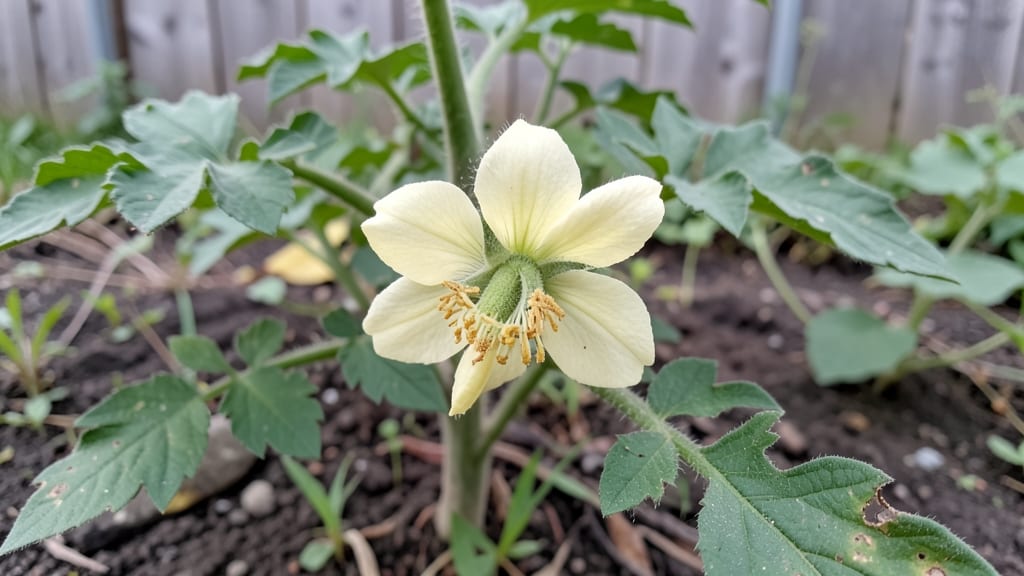
Understanding the anatomy of a tomato flower 🍅 is the key to unlocking bigger yields and fewer wasted blooms in your garden.
Did you know that a single tomato flower contains the secret to your plant’s fruit production success? Understanding its anatomy can mean the difference between a bountiful harvest and wasted blooms.
Every part of that delicate bloom—from the fuzzy stigma to the pollen-laden stamens—plays a role in whether your tomatoes will set fruit or drop like rain. Skip this step, and you might miss out on 30% more tomatoes this season.
Here’s how to recognize each part of the flower, why they matter, and how to give your tomatoes the best shot at pollination—even if you’re growing indoors or in a greenhouse.
Critical parts of a tomato flower and their role in fruit development
Every tomato flower is a tiny powerhouse designed to turn sunlight and nutrients into the juicy fruits you love. But how does this magic happen? The answer lies in the flower’s anatomy, where each part plays a precise role in pollination and fruit development.
Understanding these components helps you troubleshoot issues like poor fruit set or flower drop before they become problems.
The tomato flower may look delicate, but it’s packed with specialized structures that work together like a well-oiled machine. From the stamens that produce pollen to the pistil that nurtures the future fruit, every part has a job to do.
Even the petals and sepals play a role in protecting the flower’s reproductive organs and attracting pollinators. Let’s break down these critical parts and see how they contribute to your harvest.
| Flower Part | Function in Pollination | Role in Fruit Development |
|---|---|---|
| Petals | Attract pollinators (bees, butterflies) with color and scent | Protect reproductive organs from damage |
| Stamens (with anthers) | Produce and release pollen grains (male gametes) | Provide genetic material for fertilization |
| Pistil (includes stigma, style, ovary) | Catches pollen on the stigma and guides it to the ovary | Develops into the tomato fruit after fertilization |
| Ovary | Contains ovules that become seeds after fertilization | Transforms into the tomato itself, housing seeds |
| Sepals | Protect the flower bud before it opens | Support the flower’s structure during growth |
The stamens are the male reproductive organs of the tomato flower, consisting of a thin filament topped with a pollen-producing anther. When mature, the anthers split open to release pollen grains, which contain the male genetic material needed to fertilize the flower.
In outdoor gardens, wind or pollinators like bees transfer this pollen to other flowers, but tomatoes are also self-pollinating, meaning they can fertilize themselves.
At the heart of the flower, the pistil serves as the female reproductive structure. It’s divided into three key parts: the stigma (a sticky surface that catches pollen), the style (a tube that connects the stigma to the ovary), and the ovary (which houses the ovules).
When pollen lands on the stigma, it germinates and grows a pollen tube down the style to reach the ovary. This process is crucial because the ovules inside the ovary will only develop into seeds—and eventually tomatoes—after successful fertilization.
The petals of a tomato flower aren’t just for show; they play a vital role in pollination success. Their bright yellow or white color and sweet fragrance attract pollinators like bees and butterflies, which unknowingly transfer pollen from flower to flower.
Even in greenhouse growing or indoor containers, where pollinators are scarce, these petals can still signal the flower’s readiness for fertilization. Without them, the flower’s reproductive organs would be exposed to damage or environmental stress.
One of the most fascinating aspects of tomato flower anatomy is its ability to self-pollinate. Unlike some plants that rely entirely on external pollinators, tomatoes can fertilize themselves if the stamens brush against the pistil as the flower opens.
This is why you often see tomatoes setting fruit even in the absence of bees. However, in greenhouse conditions or during cool, cloudy weather, you might need to give the flowers a gentle shake or use a small paintbrush to transfer pollen manually.
This simple action can dramatically improve your fruit set rate.
The ovary is where the magic of fruit development truly begins. After fertilization, the ovules inside the ovary transform into seeds, while the ovary itself swells and matures into the tomato fruit you’re familiar with. This process is driven by hormones released during fertilization, which trigger cell division and growth.
Understanding this connection helps explain why some flowers drop off without setting fruit—often due to poor pollination, stress, or environmental factors like high temperatures or low humidity.
If you’ve ever noticed that some tomato flowers fall off without producing fruit, the issue likely traces back to a breakdown in this delicate process. For example, if the stamens fail to release pollen or the stigma isn’t receptive, fertilization won’t occur.
Similarly, environmental stressors like drought or nutrient deficiencies can disrupt the flower’s ability to support fruit development. By recognizing these signs, you can take corrective actions, such as hand-pollinating flowers or adjusting your watering schedule, to boost your harvest.
Even the sepals, often overlooked, play a critical role in protecting the developing flower. These green, leaf-like structures encase the flower bud before it opens, shielding it from pests, wind, and physical damage. Once the flower blooms, the sepals remain at the base, providing structural support.
Their health is a good indicator of the plant’s overall vitality—wilting or discolored sepals may signal underlying issues like pests or disease that need your attention.
Armed with this knowledge, you can now approach your tomato plants with a deeper understanding of how their flowers work. Whether you’re troubleshooting poor fruit set, optimizing pollination in a greenhouse, or simply curious about the science behind your harvest, the anatomy of the tomato flower holds the key.
Next time you see a tomato blossom, take a moment to
How tomato flower anatomy affects pollination success
Understanding how your tomato flower anatomy interacts with the environment can transform your harvest. The delicate balance between the flower's structure and external factors like wind speed, humidity levels, and temperature fluctuations determines whether pollen reaches the stigma.
Without this transfer, your blossoms will drop without setting fruit—a common frustration for gardeners.
Even the most vibrant tomato flowers can fail to produce fruit if their anatomy isn't supported by ideal conditions. For example, greenhouse tomatoes often need human intervention because their controlled environments lack natural pollinators.
By learning how each part of the flower functions, you can create conditions that maximize pollination success and minimize wasted blooms.
Environmental factors play a critical role in how effectively your tomato flowers pollinate. For instance, high humidity (above 70%) can cause pollen to clump together, making it harder to transfer. On the other hand, dry conditions (below 40% humidity) can scatter pollen too aggressively, missing the stigma entirely.
Monitoring these conditions helps you adjust your gardening practices—like hand-pollinating during peak heat or using shade cloth on particularly humid days.
Temperature also impacts pollination success. Tomatoes thrive in daytime temperatures between 70-85°F, but anything outside this range can disrupt the flower's anatomy. For example, nighttime temperatures below 55°F can cause pollen to become sterile, while temperatures above 95°F can damage the stigma.
If you're growing in a greenhouse or container garden, consider using fans to circulate air and maintain optimal temperatures.
When natural pollination fails, hand-pollination becomes your best tool. Using a small paintbrush or cotton swab, gently transfer pollen from the anthers to the stigma of open flowers. Focus on morning hours when flowers are fully open and humidity is lowest.
This method is especially useful for indeterminate varieties or when growing in low-wind environments like urban balconies or greenhouses.
By understanding how tomato flower anatomy interacts with your growing conditions, you can troubleshoot pollination issues before they waste your blooms. Whether it's adjusting humidity, protecting flowers from extreme temperatures, or stepping in with hand-pollination, small interventions can lead to a bountiful harvest instead of empty vines. 🌱☀️